-

下載億題庫APP
-
聯(lián)系電話:400-660-1360
下載億題庫APP
聯(lián)系電話:400-660-1360

請謹慎保管和記憶你的密碼,以免泄露和丟失
請謹慎保管和記憶你的密碼,以免泄露和丟失
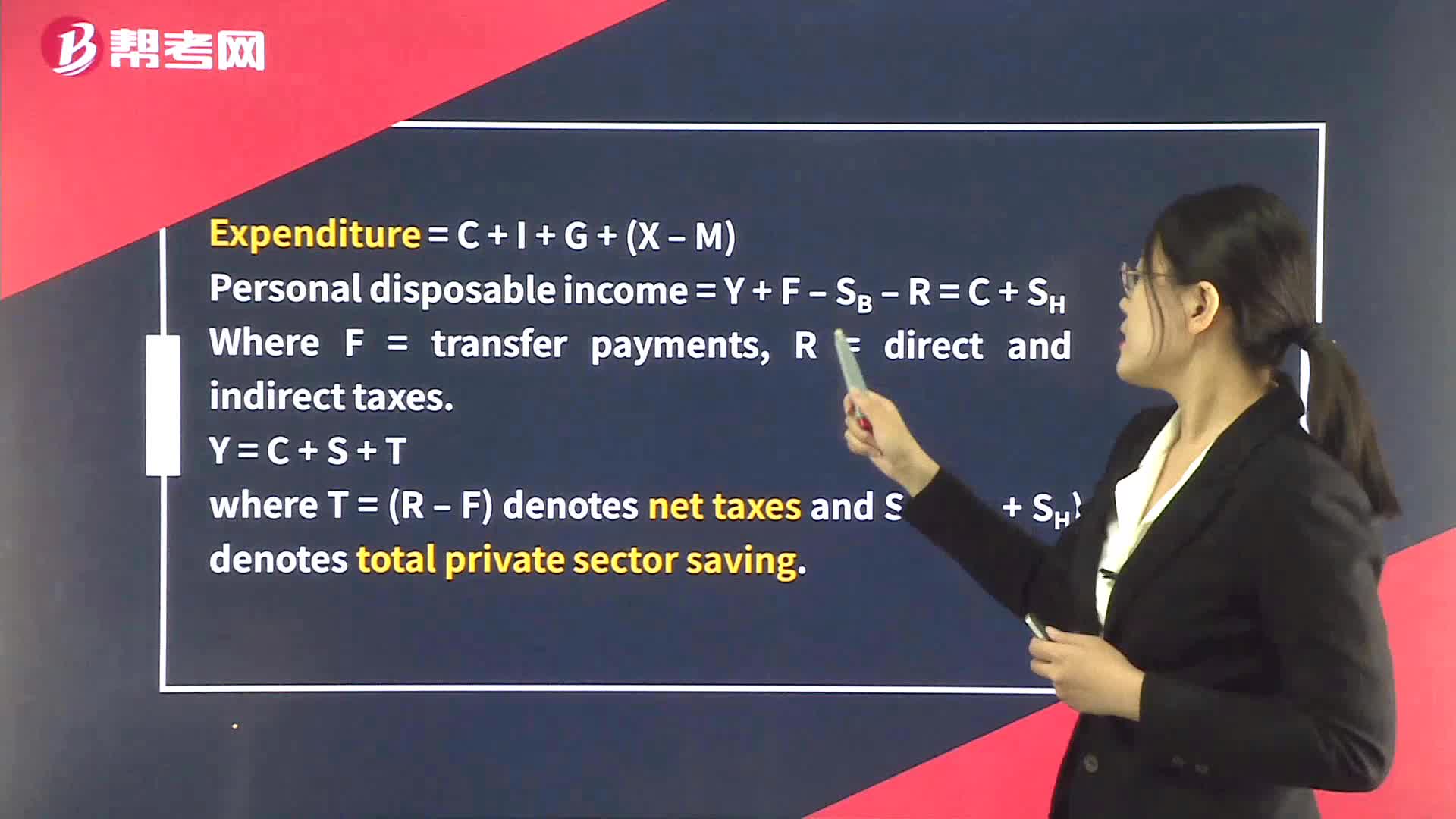
The IS Curve
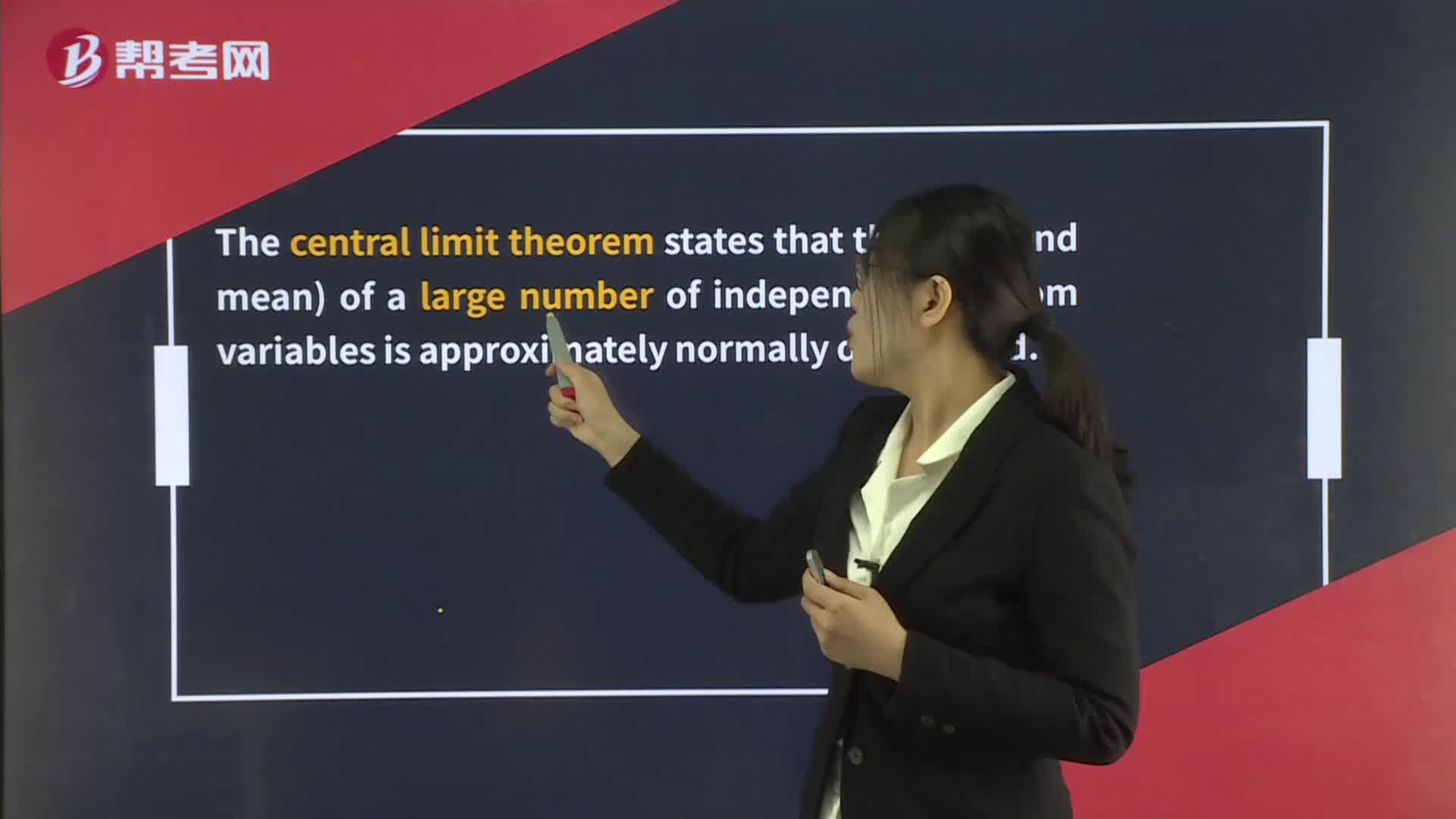
The Normal Distribution
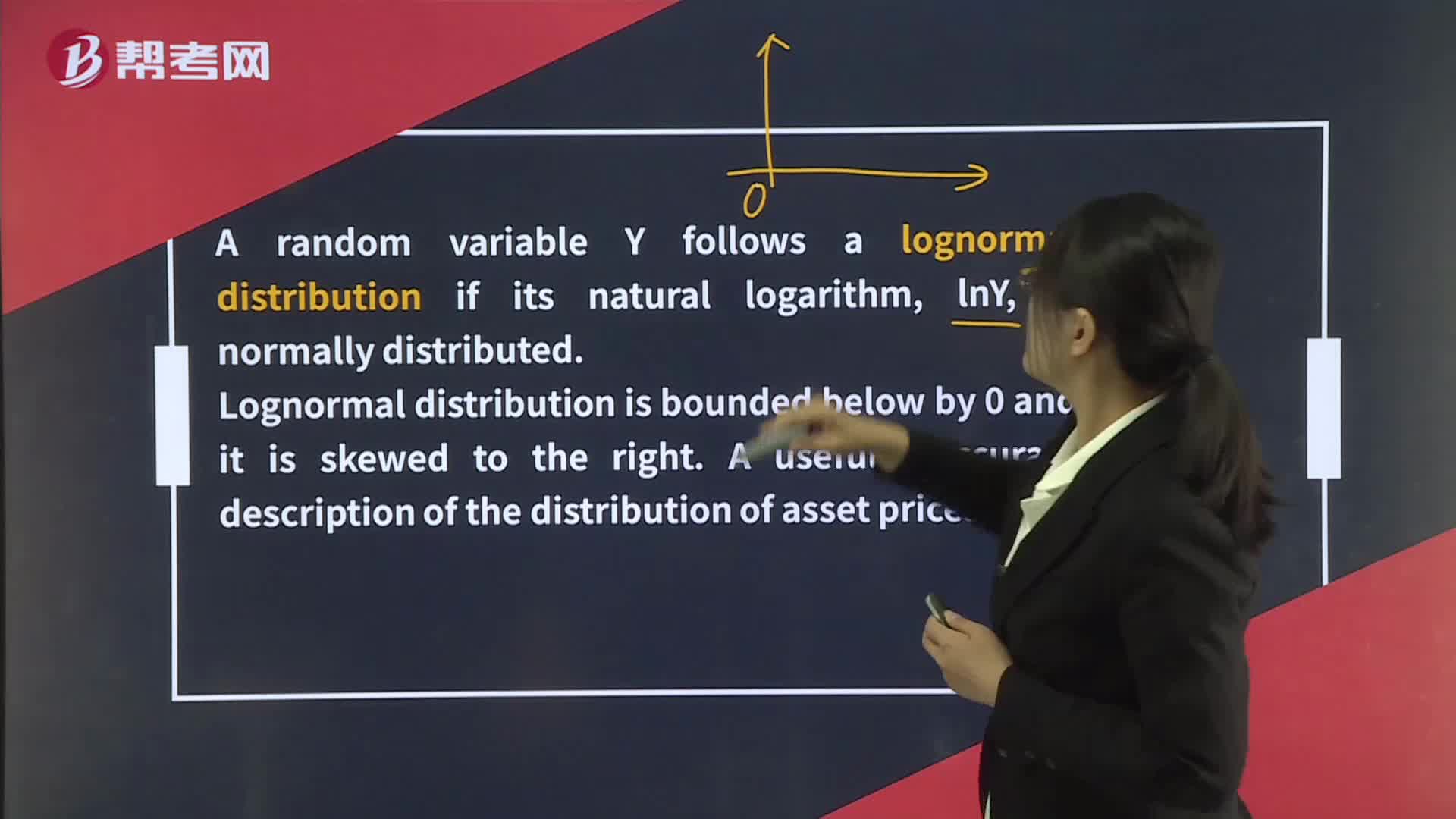
The Lognormal Distribution
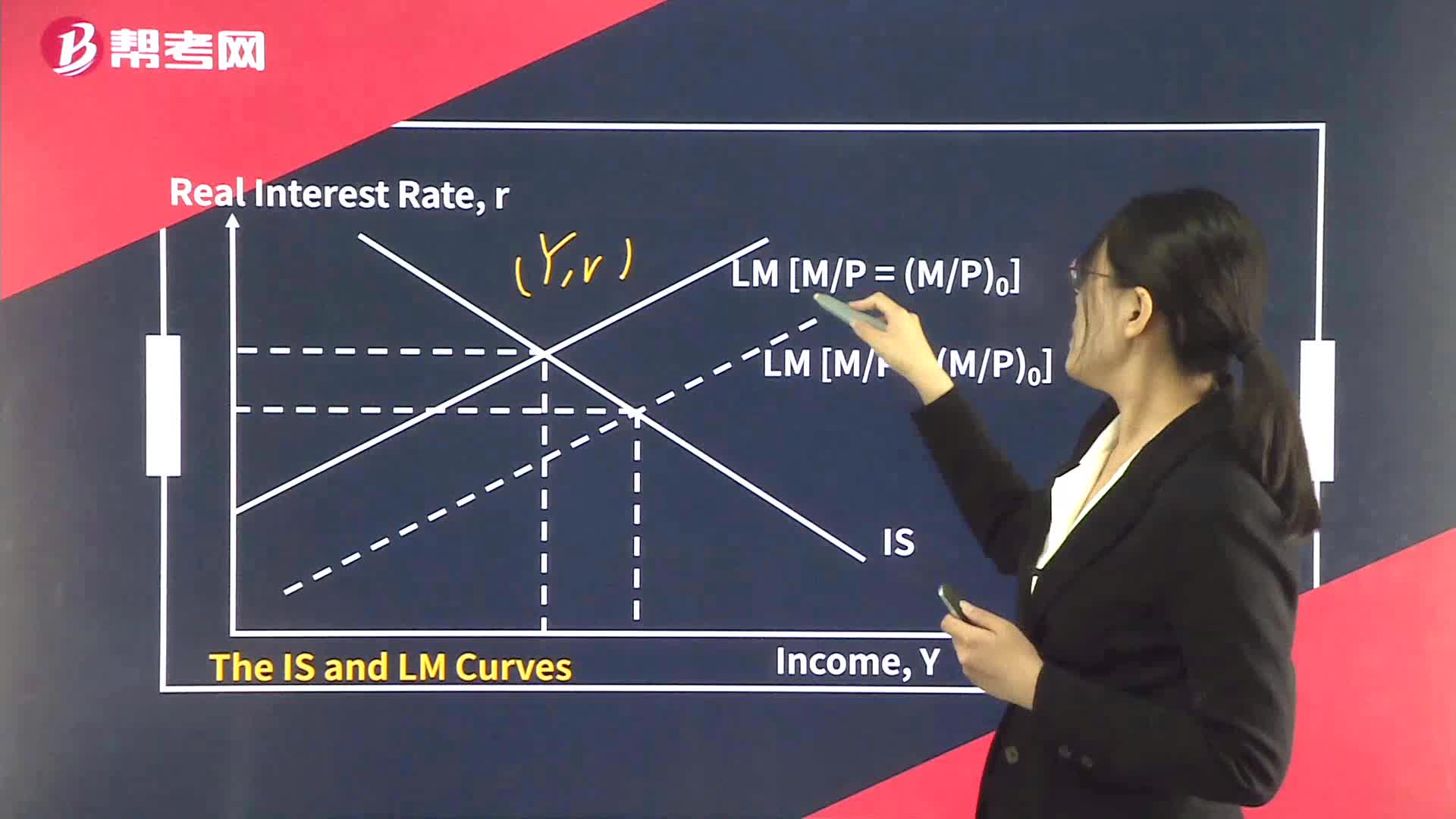
The Aggregate Demand Curve
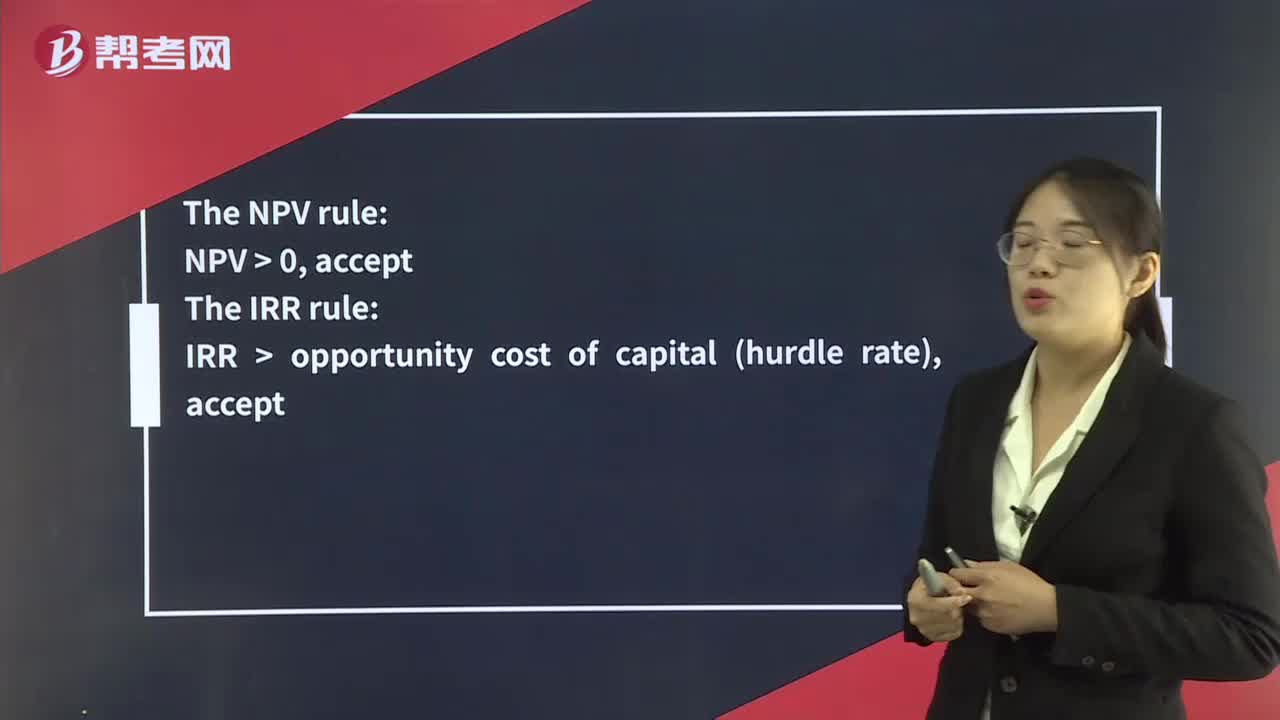
The NPV Rule & The IRR Rule
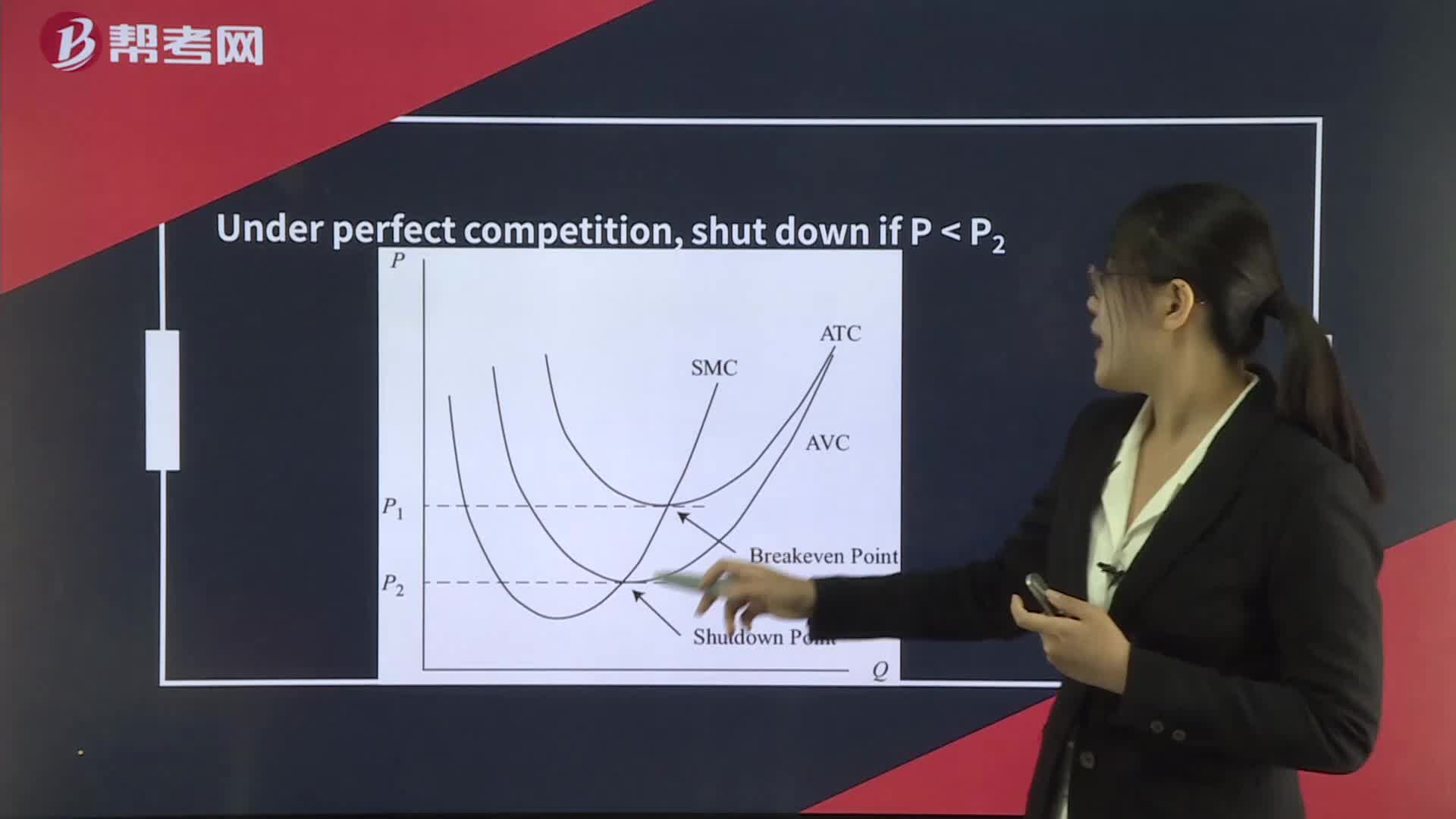
The Shutdown Decision
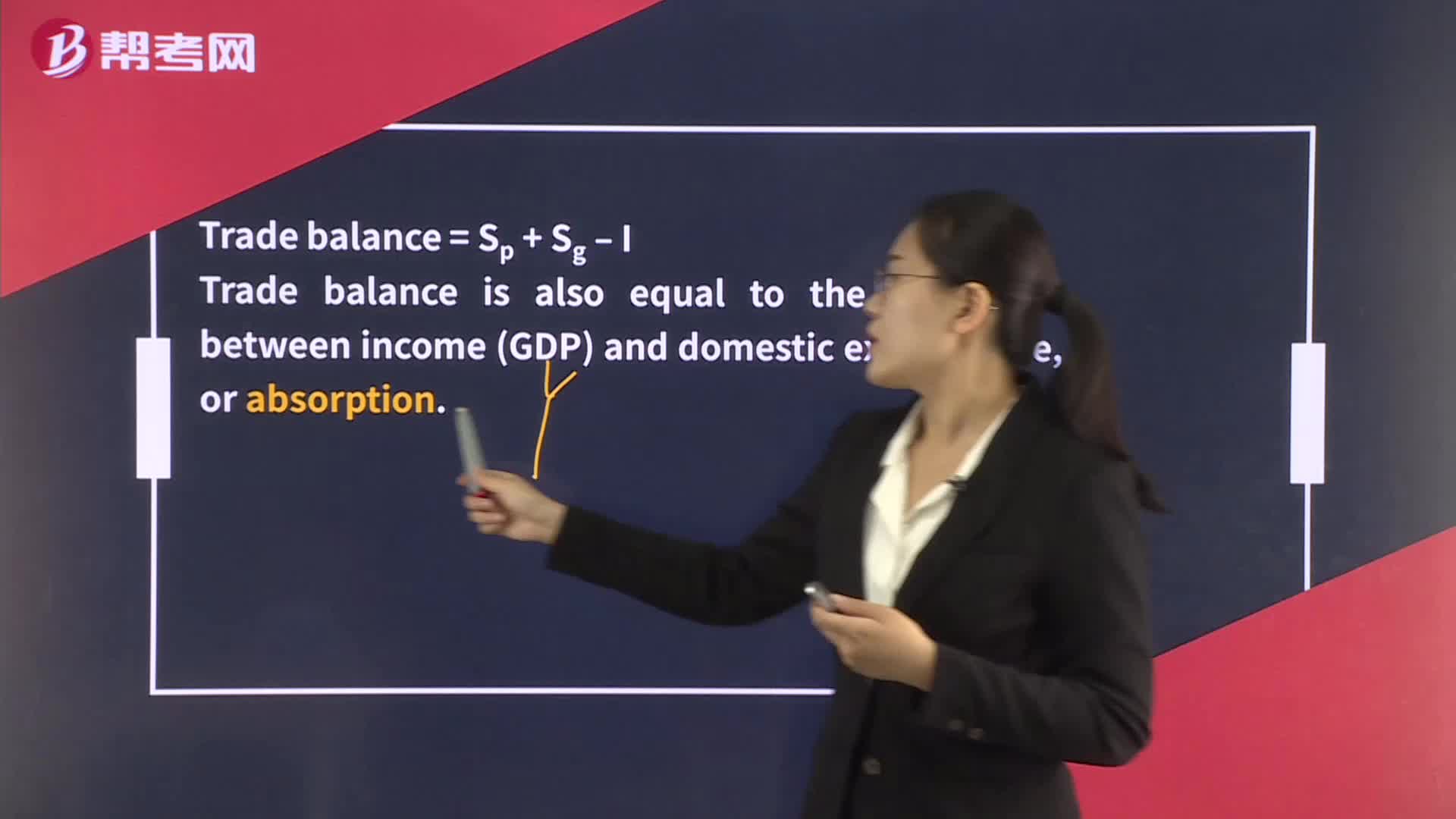
The AbsorptionApproach
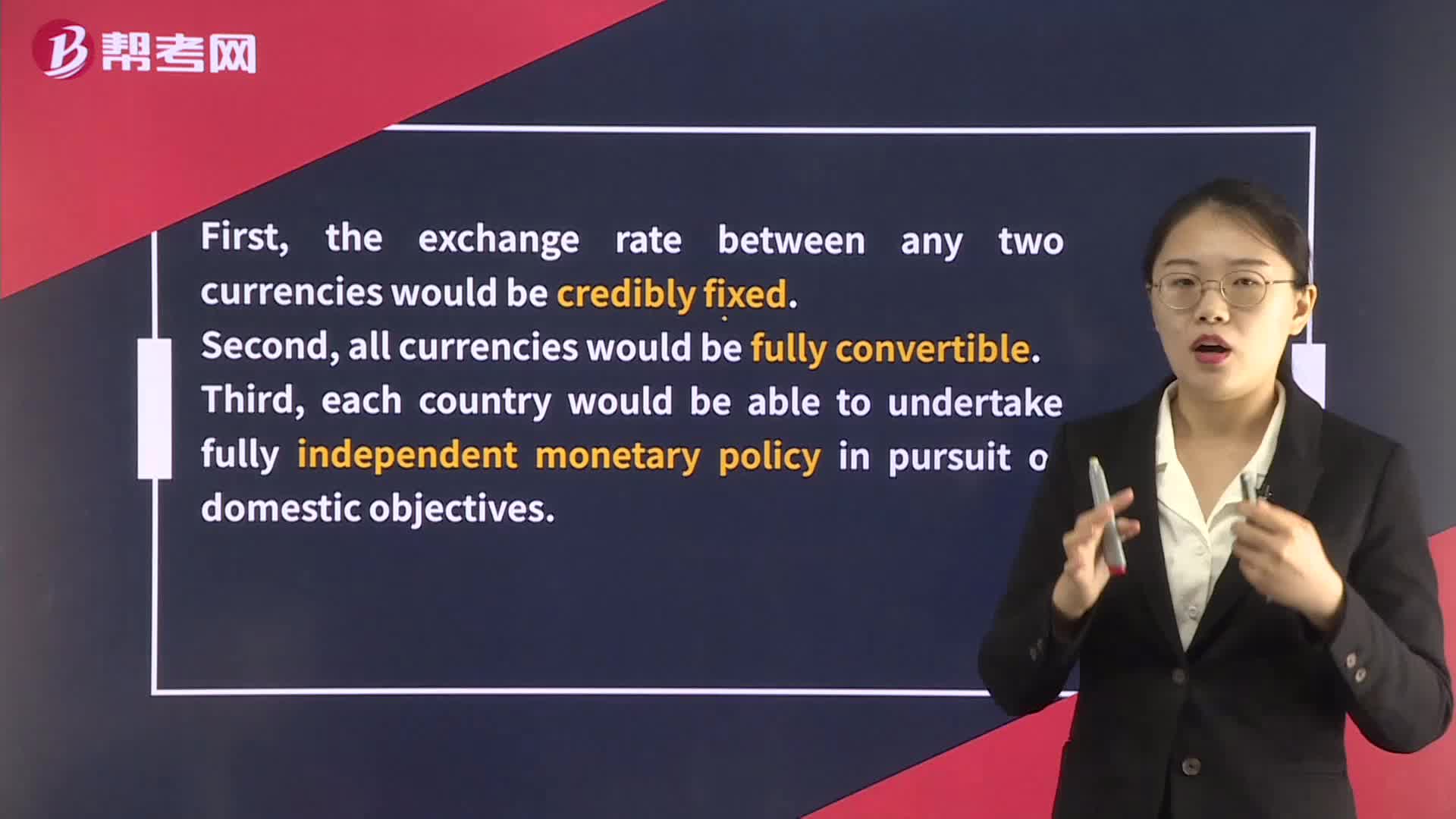
The Ideal Currency Regime
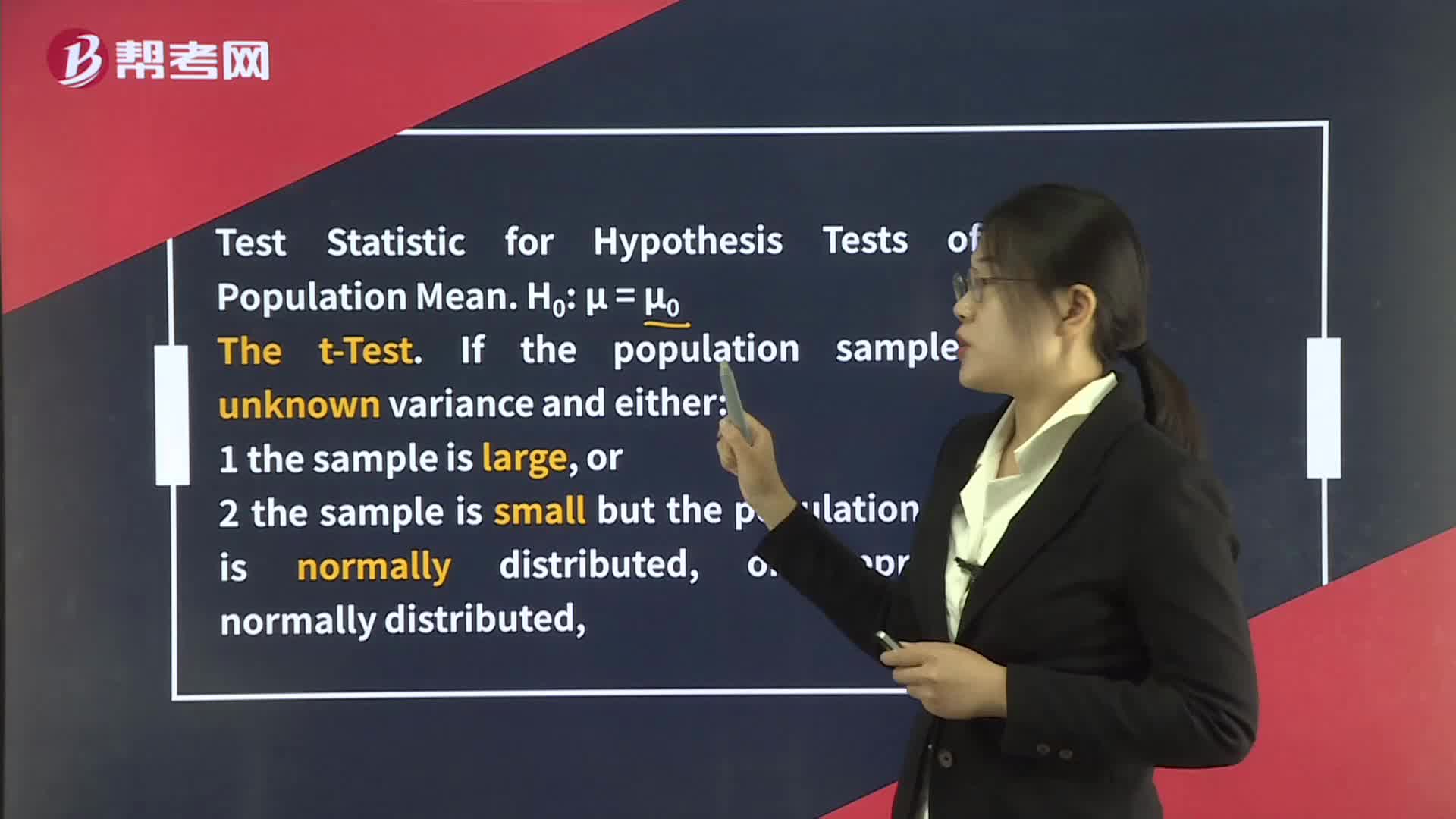
Hypothesis Tests Concerning the Mean
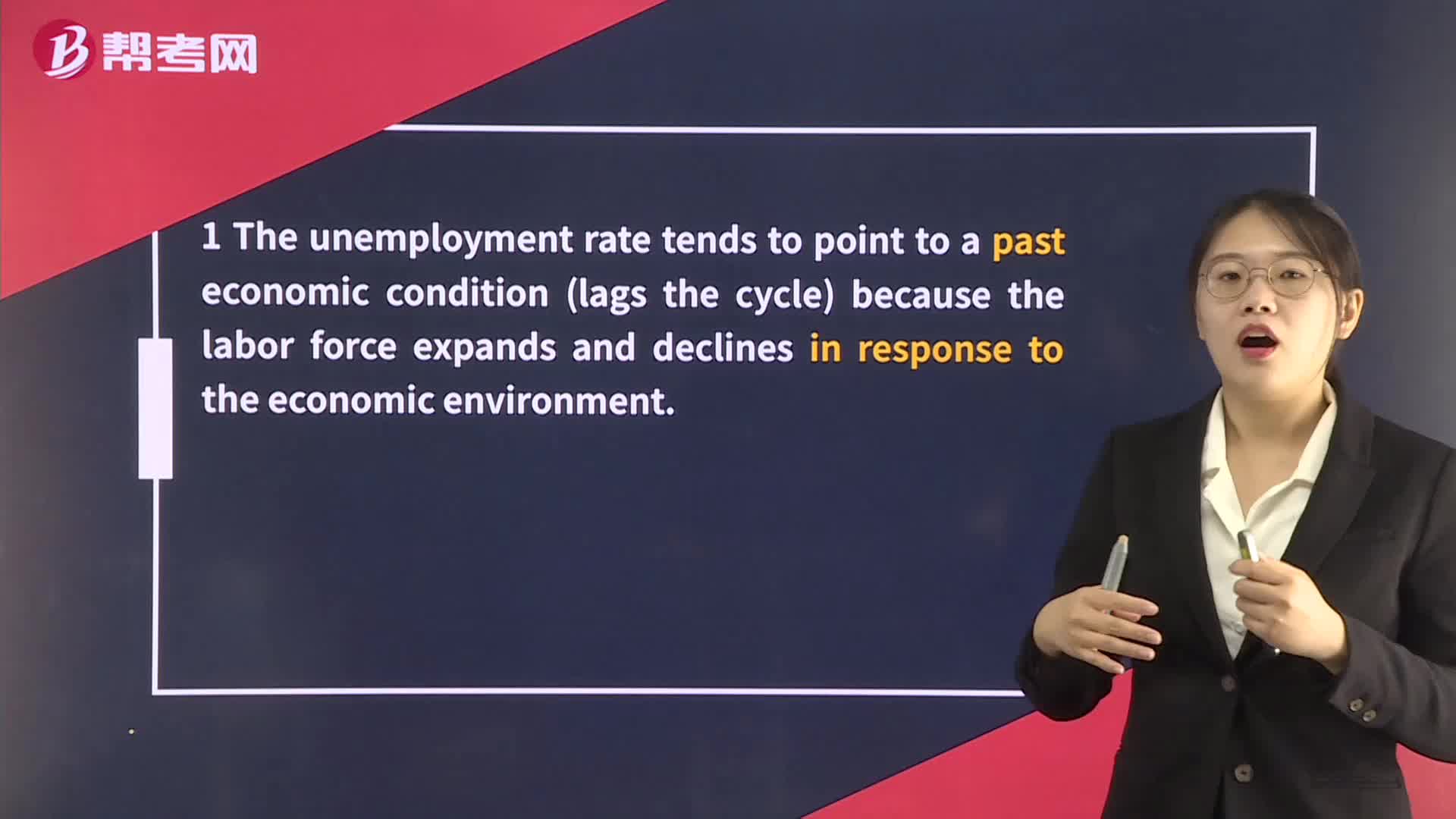
The Unemployment Rate
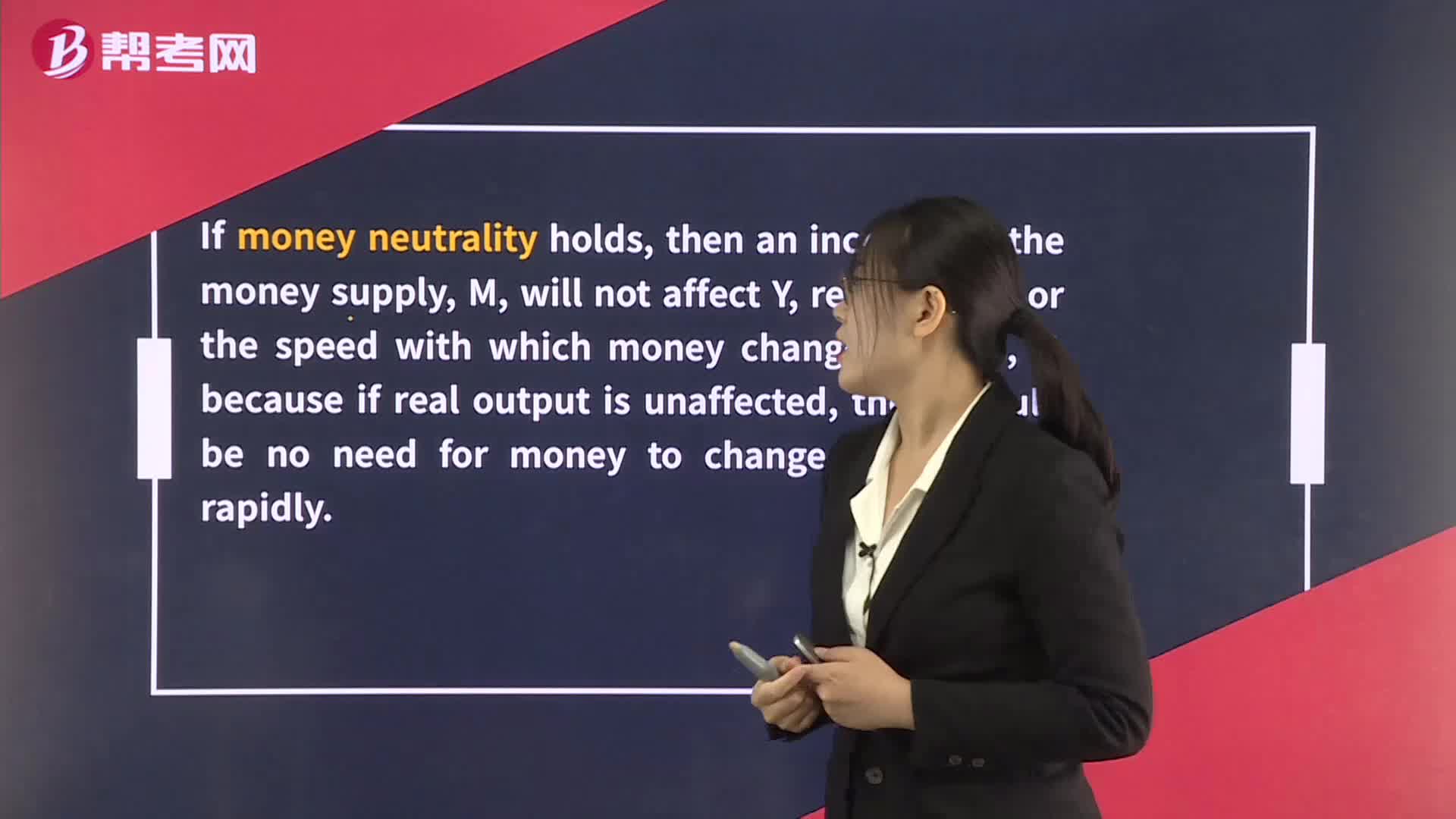
The Quantity Theory of Money
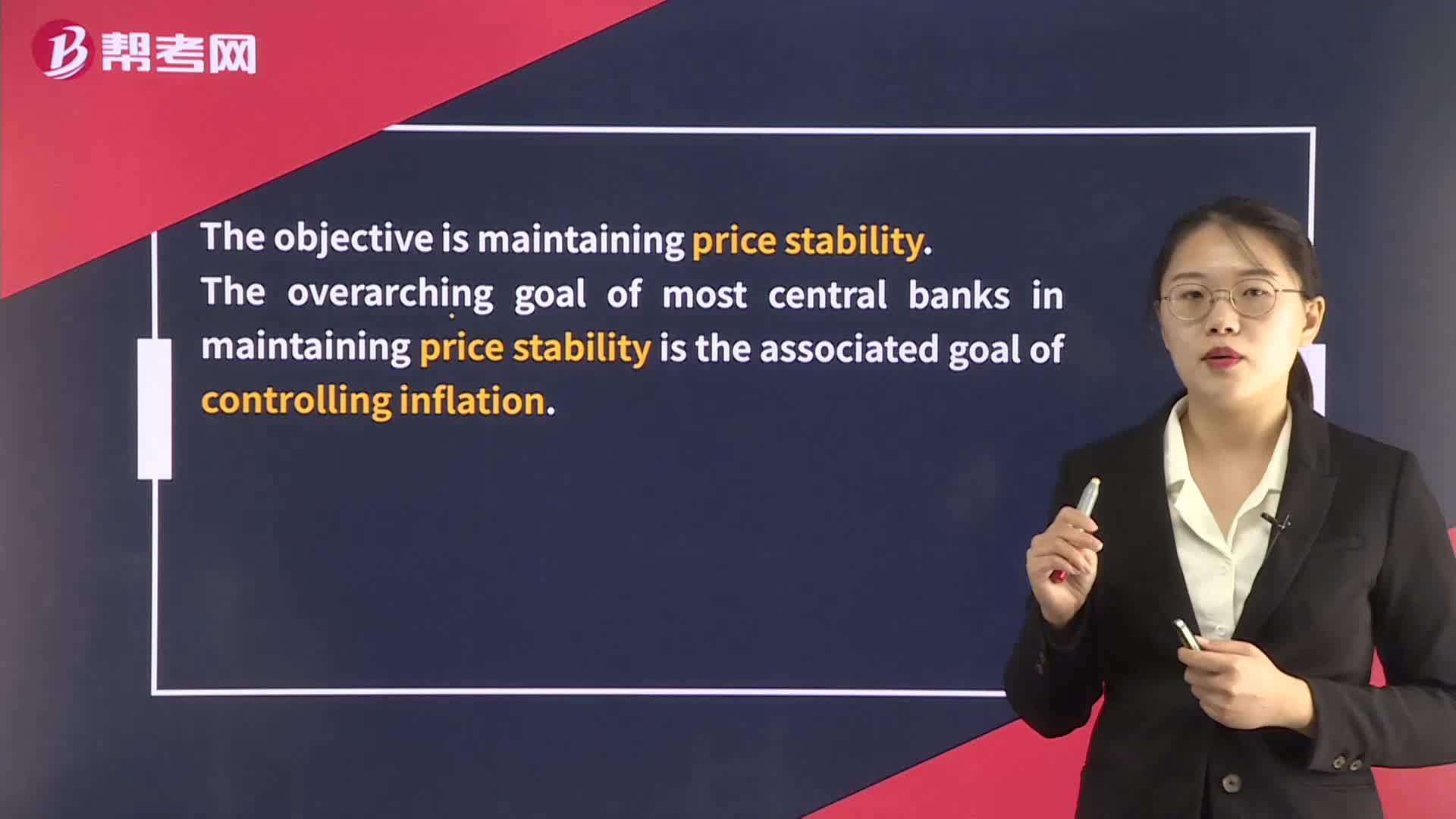
The Objectives of Monetary Policy
 02:16
02:16
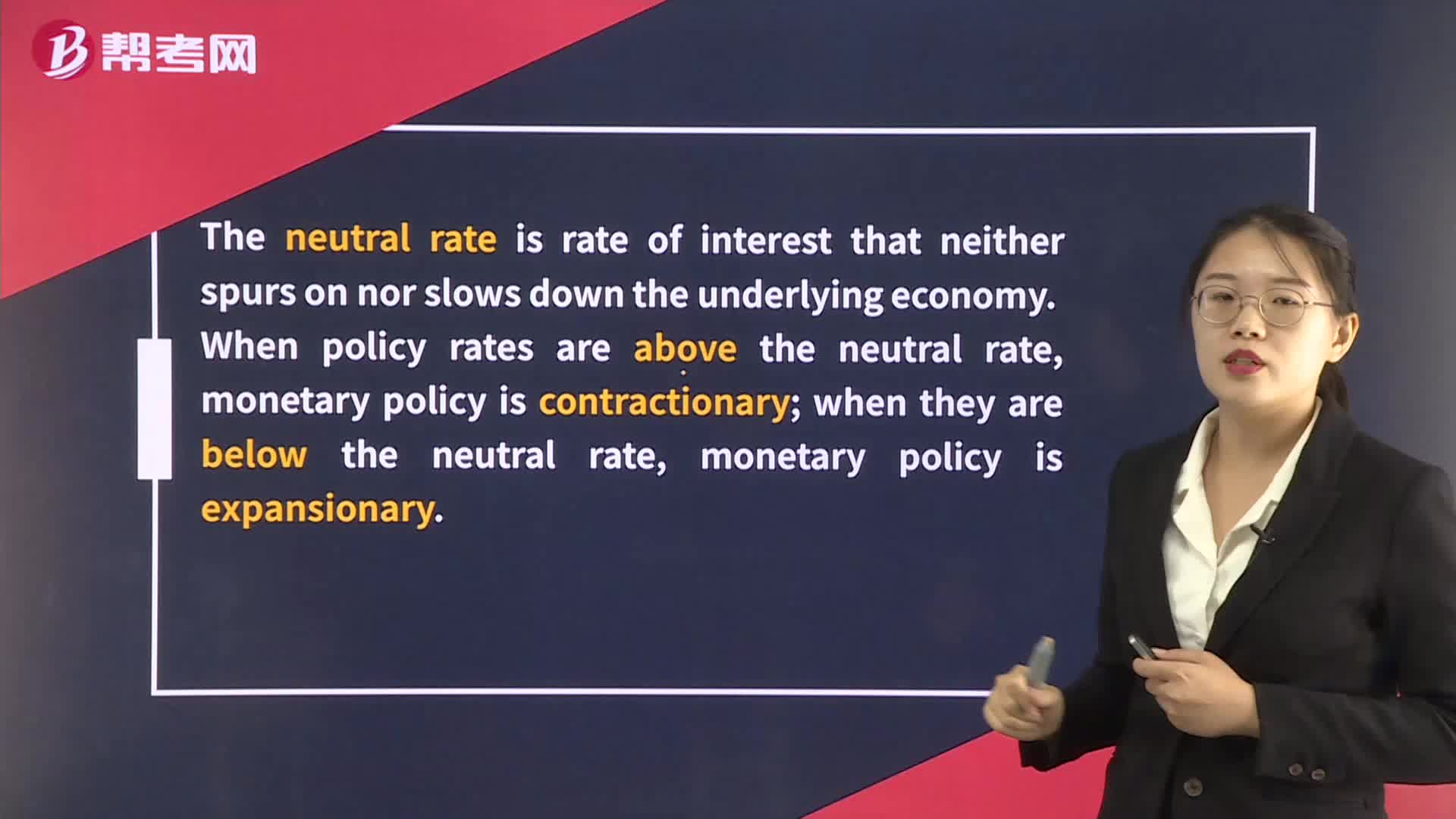
The Neutral Rate:The neutral;underlying economy.:economyLong-runrates might make a bad situation worse.
 03:05
03:05
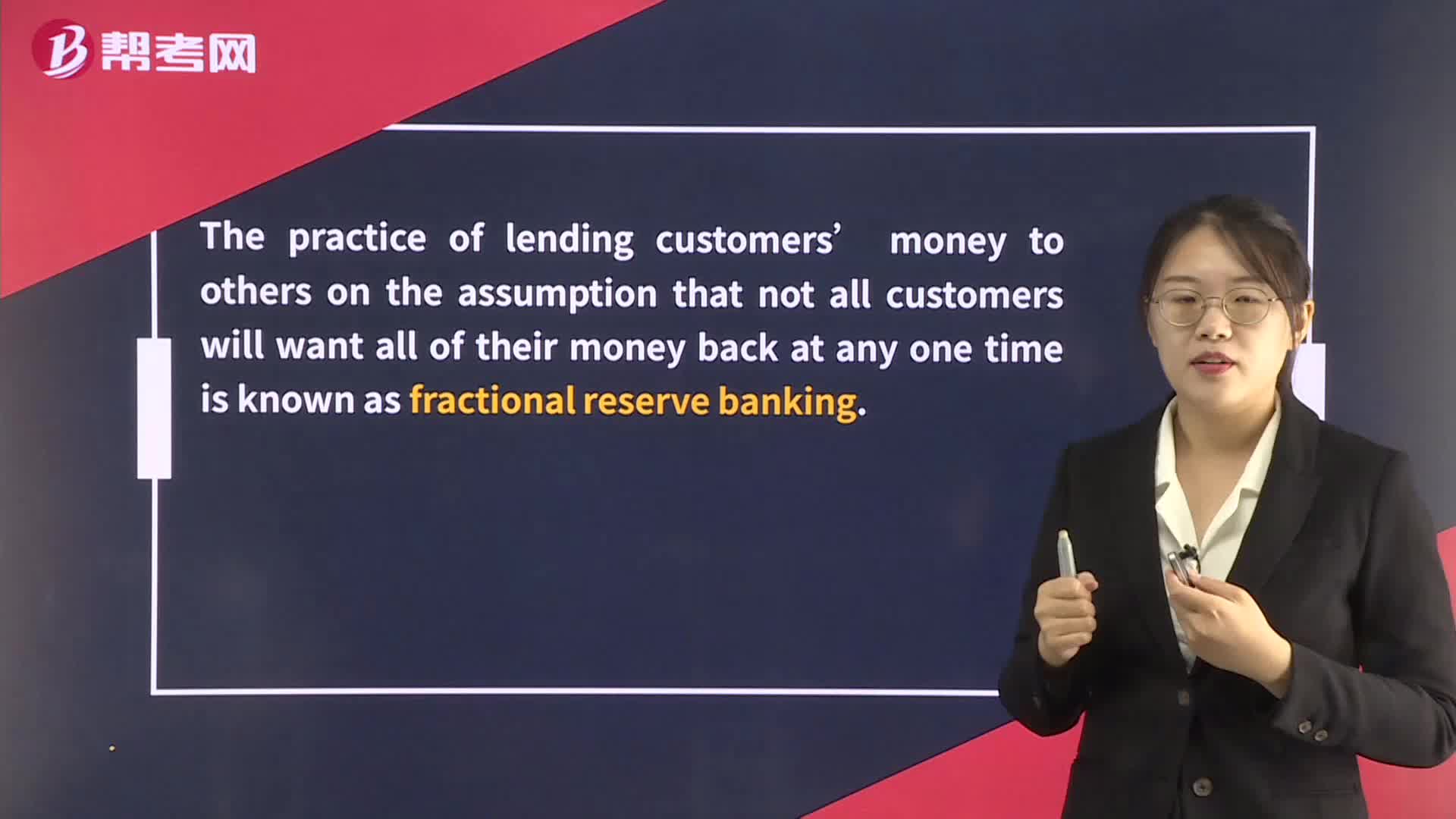
The Money Creation Process:1 divided by the reserve requirement is the money multiplier.
 02:14
02:14
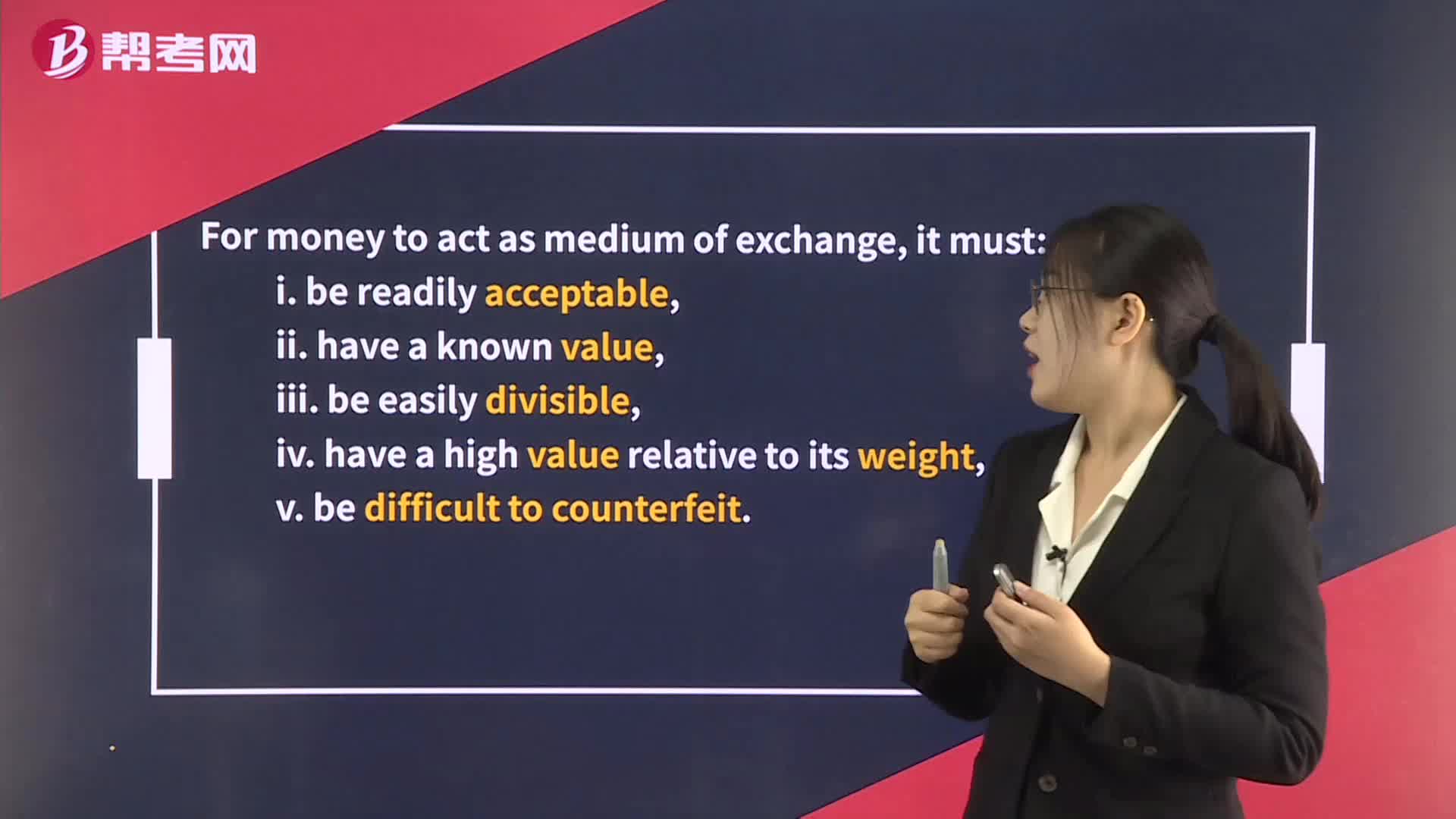
The Functions of Money:iii. be easily divisible;provides society with a convenient measure of value and unit of account.
 01:30
01:30
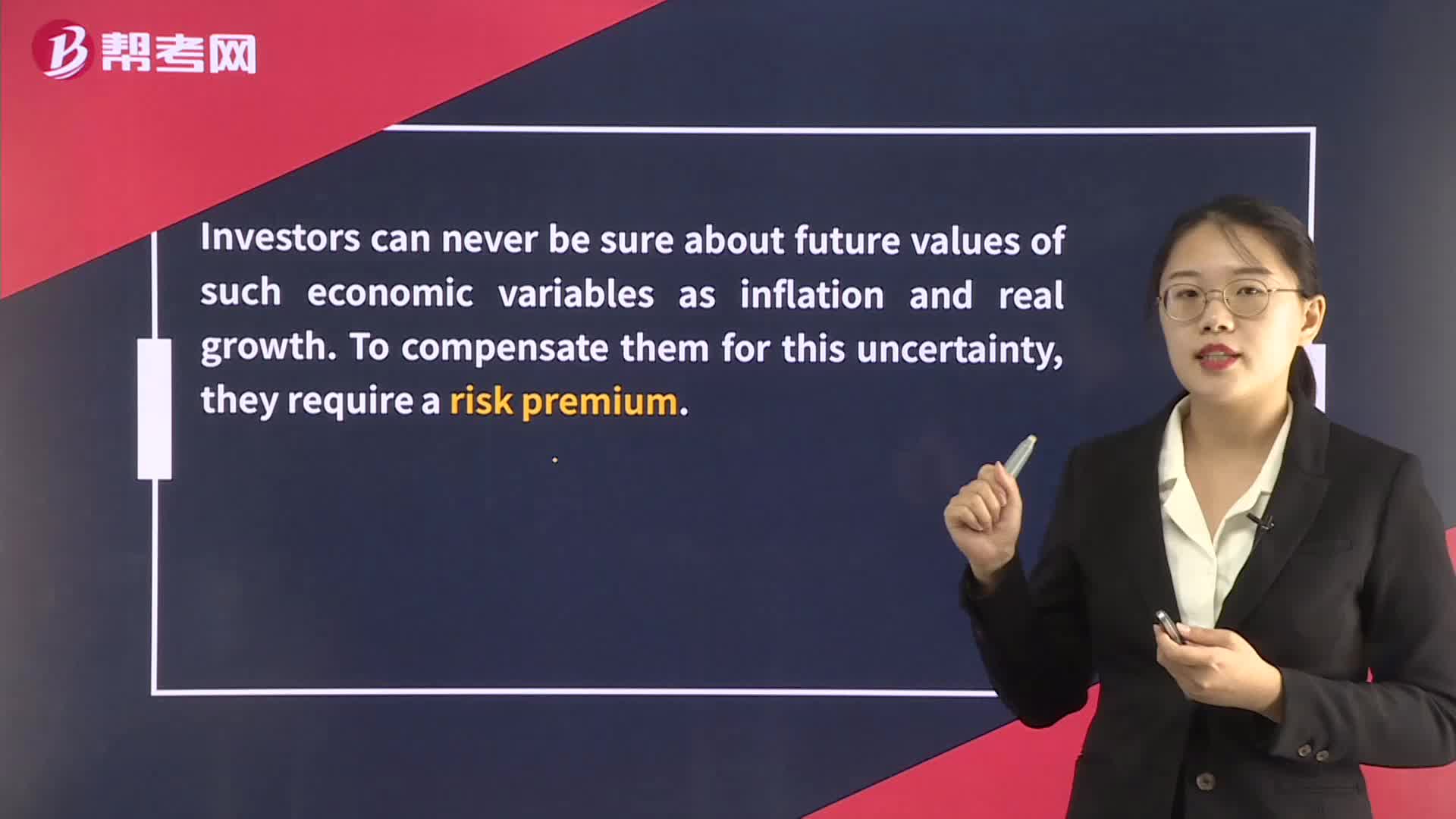
The Fisher Effect:The Fisher:interest in an economy is stable over time so that changes in nominal interest rates are the result;premium.premium to compensate them for uncertainty.
 04:02
04:02
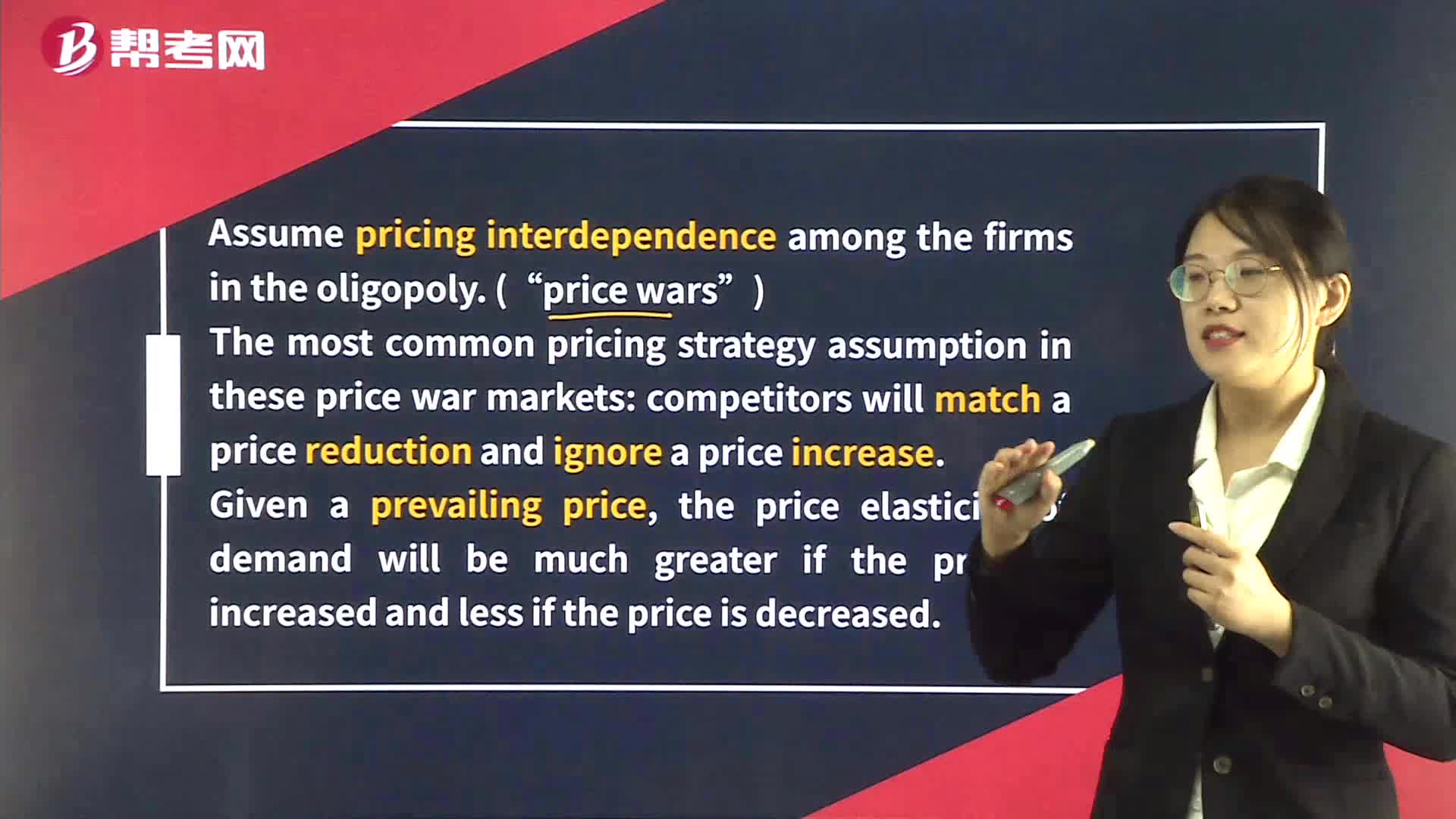
Kinked Demand Curve in Oligopoly Market:priceincomplete pricing analysis.
 03:24
03:24
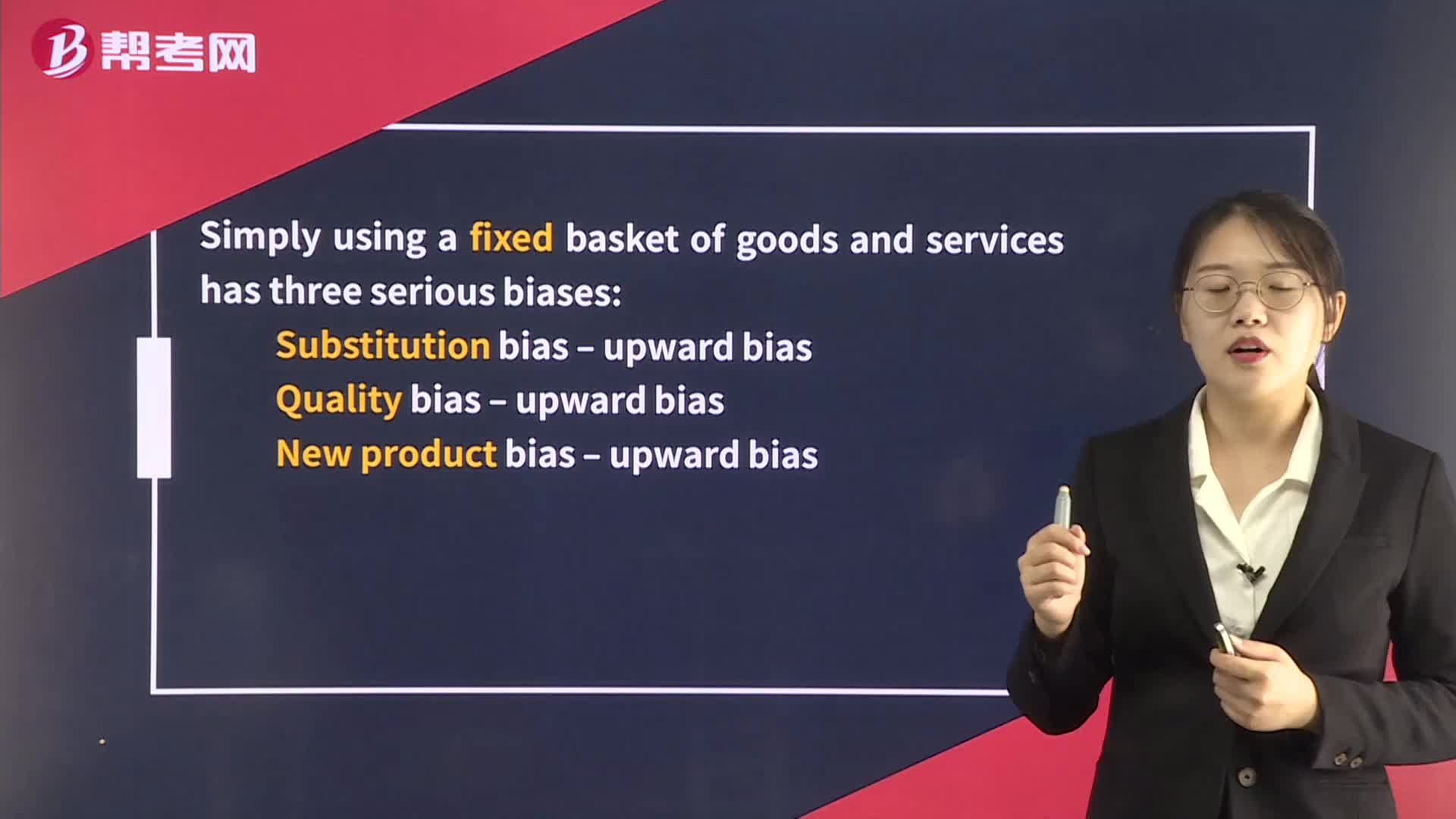
The Construction of Price Indexes:be used to average the different prices.:index.the basket.
 04:31
04:31
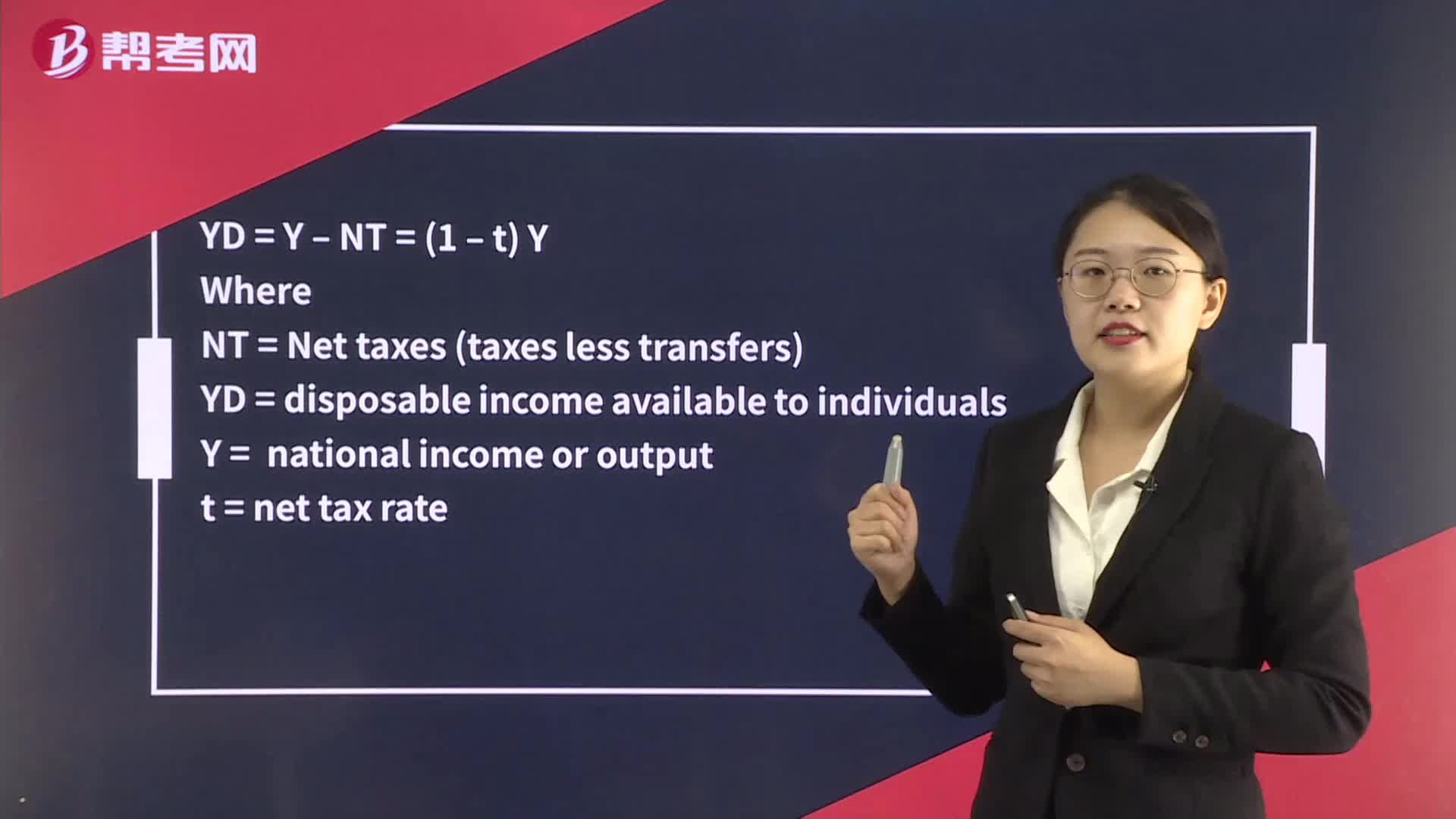
The Fiscal Multiplier:Wheret = tax rate
 04:47
04:47
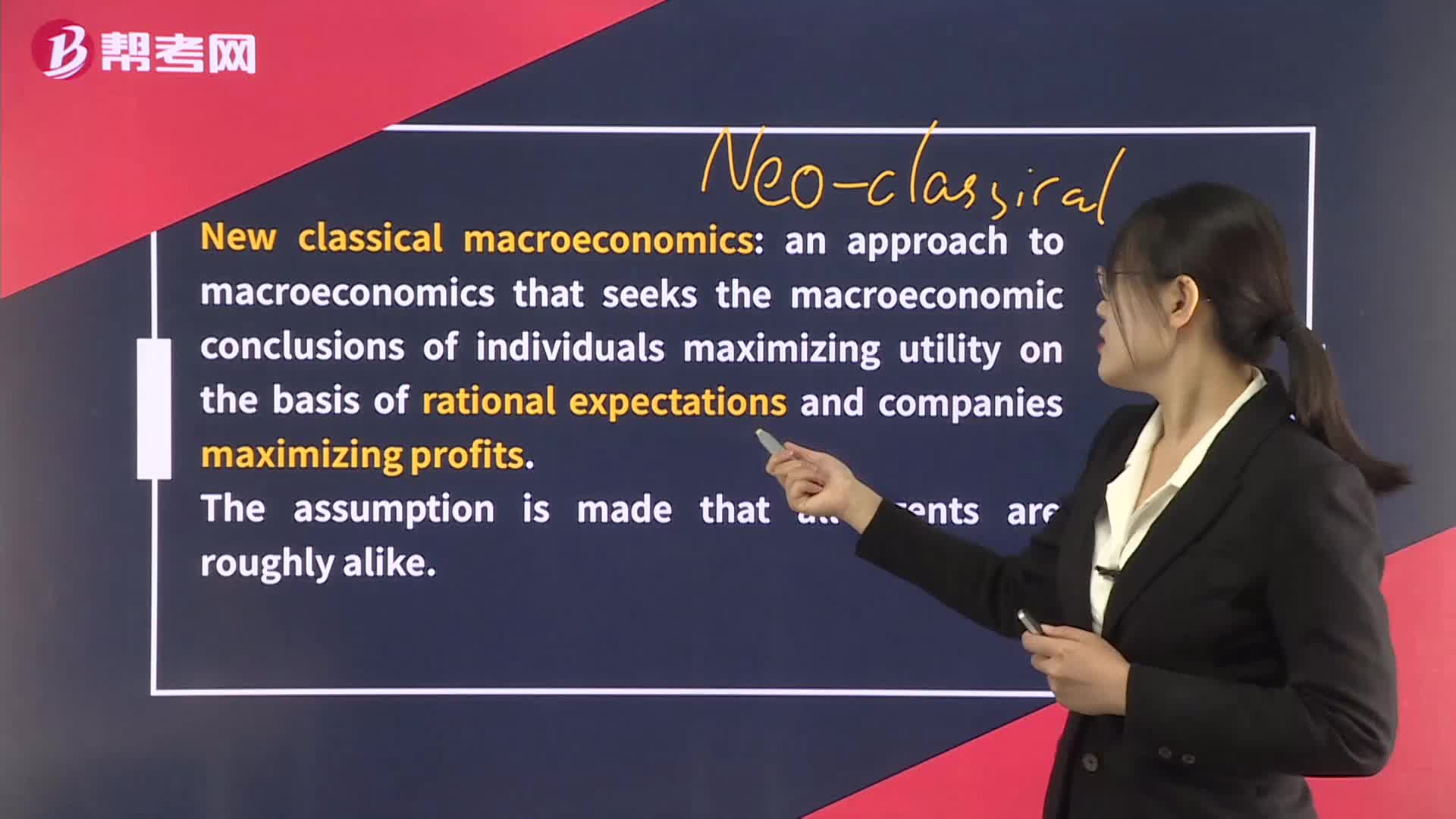
The New Classical School:an approach to macroeconomics that seeks the:Money,technologymodelslow-to-adjusteconomy is weak.
 04:25
04:25
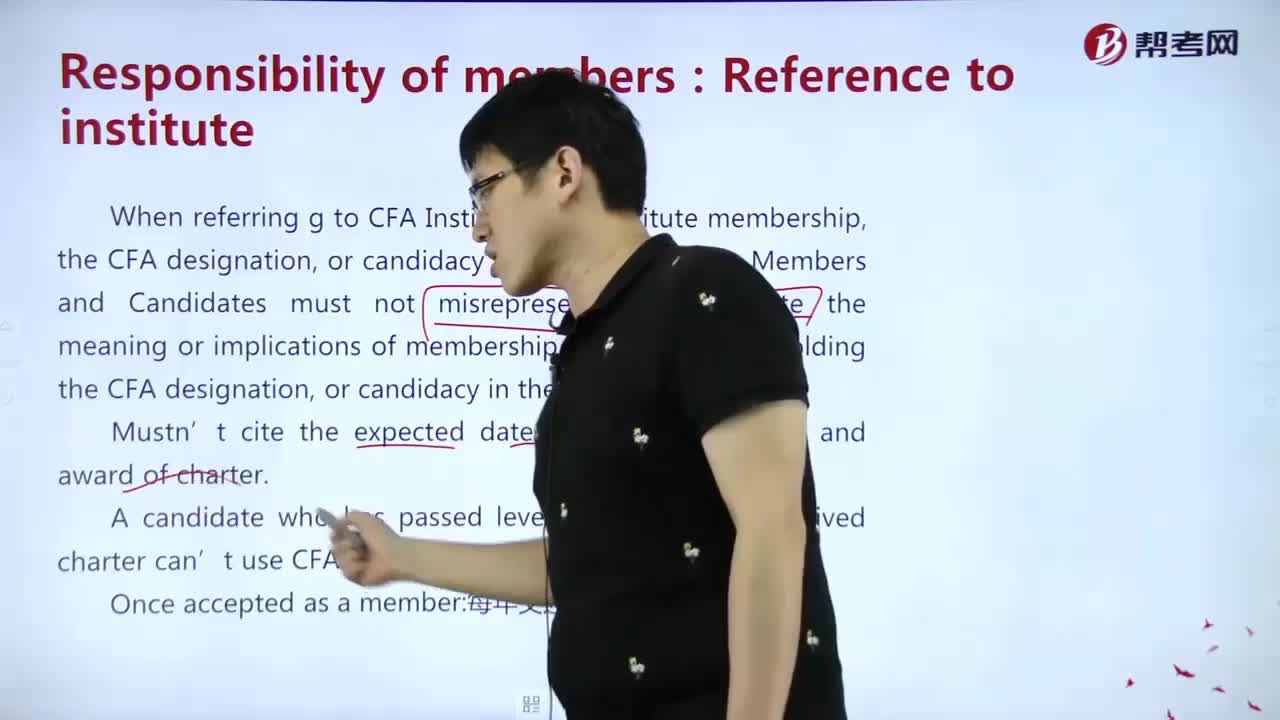
What are the responsibilities of the members in reference to the CFA Institute?:Once accepted as a member:每年交述職報告和年費but must not over promise the competency and future investment results.Case
 08:39
08:39
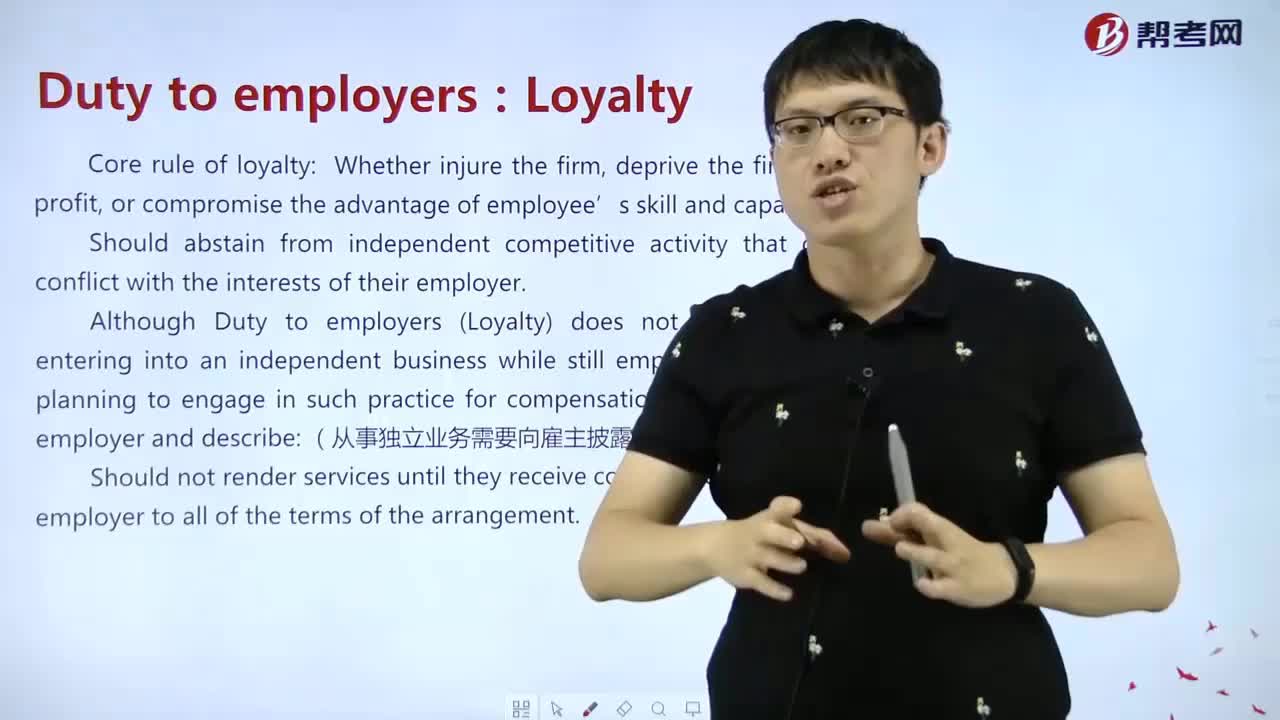
What aspect is loyalty embodied?:Should abstain from independent competitive activity that could conflict with the interests of their employer.:(從事獨立業(yè)務需要向雇主披露并獲得雇主同意):Misappropriation of trade secrets(盜竊交易秘密)
 06:50
06:50
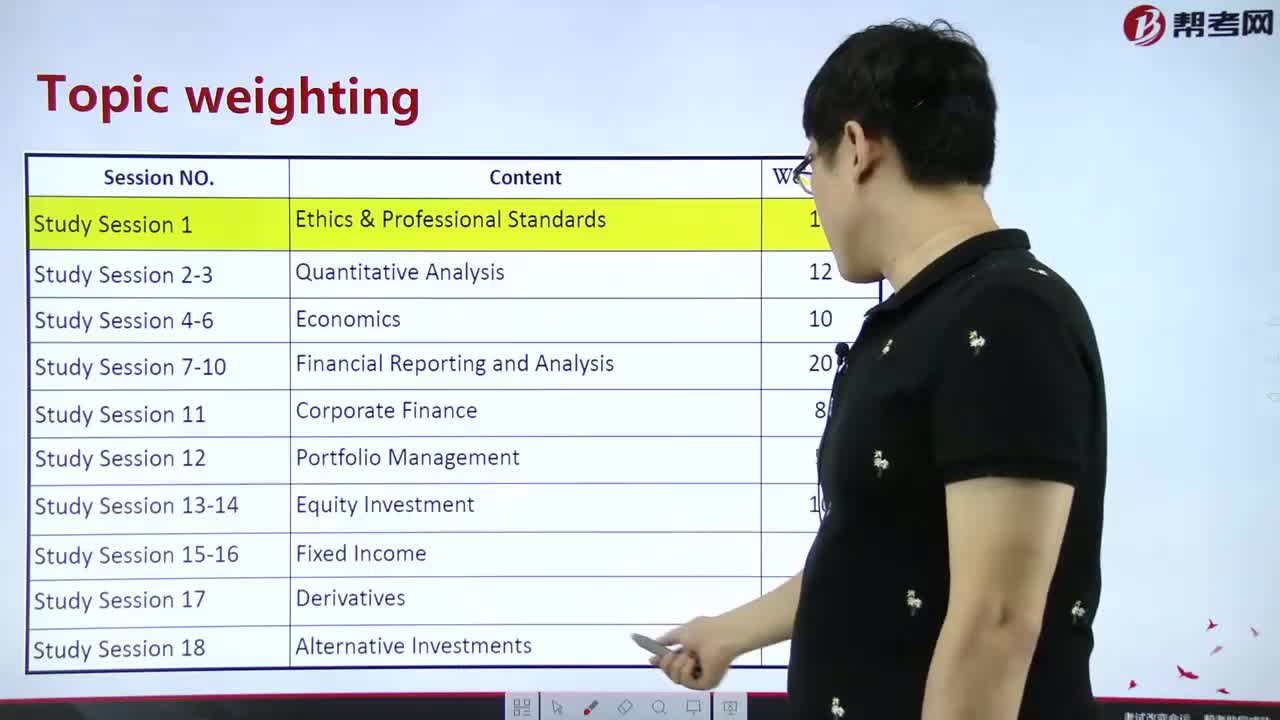
What are the ethics and trust in the investment profession?:Global investment performance standards(GIPS)= 比例低,也并非所有的不道德都是違法君子有所不為的決策是更好的決策更符合stakeholder利益的決策
 06:13
06:13
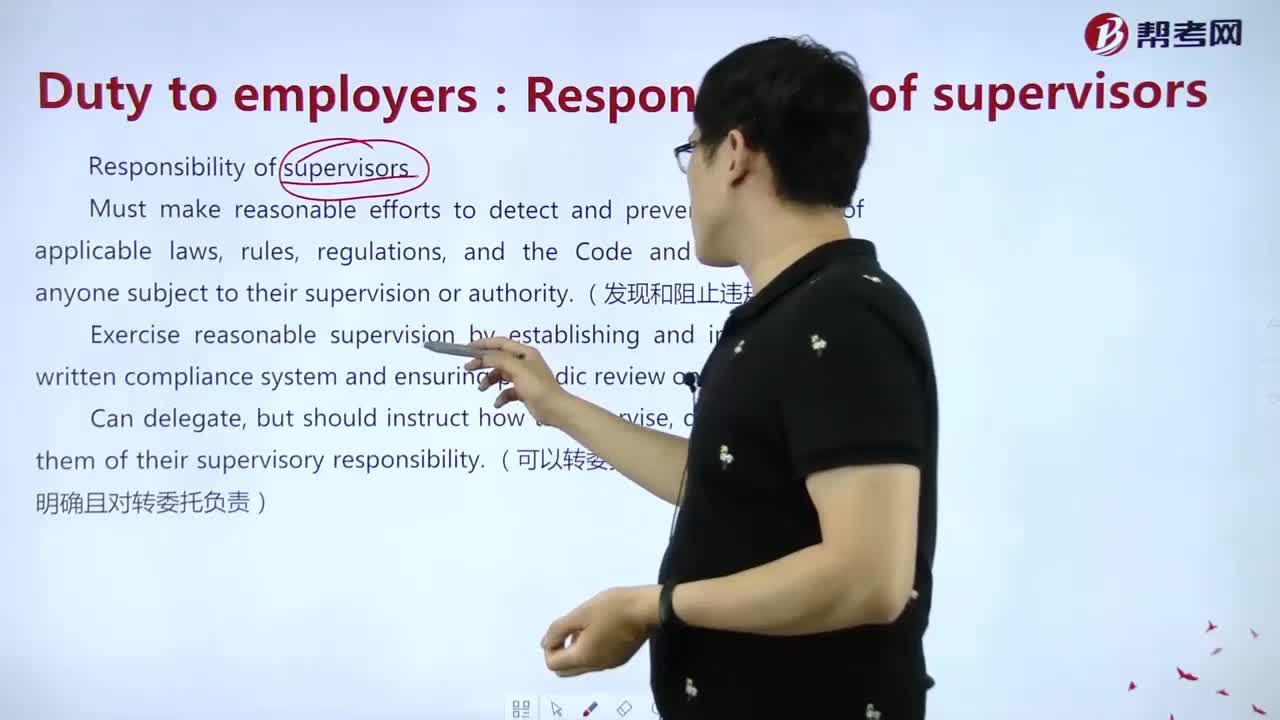
What’s the responsibility of supervisors?:does not relieve them of their supervisory responsibility. (可以轉委托他人監(jiān)管,但必須指示明確且對轉委托負責),應拒絕承擔監(jiān)管者責任),
