下載億題庫APP
聯(lián)系電話:400-660-1360
下載億題庫APP
聯(lián)系電話:400-660-1360

請謹慎保管和記憶你的密碼,以免泄露和丟失
請謹慎保管和記憶你的密碼,以免泄露和丟失
Housing Sector Behavior through the Business Cycle
Housing activity experiences dramatic swings that it often counts more in overall economic movements than it might suggest.
Relevant statistics:
new and existing home sales
residential construction activity
the inventory of unsold homes on the market
average or median price of homes (sometimes recorded by type of housing unit and sometimes as the price per square foot or square meter).
Housing sector is especially sensitive to interest rates.
Home buying and consequently construction activity expand in response to lower mortgage rates and contract in response to higher mortgage rates.

Indicators of the cost of owning a house: compare household incomes with the cost of supporting an average house (price + expense of a typical mortgage).
Commonly, housing prices and mortgage rates rise disproportionately as expansionary cycles mature, relative housing costs increase, household incomes rise. House sales slowdown, cyclical downturn first in buying and then, as the inventory of unsold houses builds, in actual construction activity.
 158
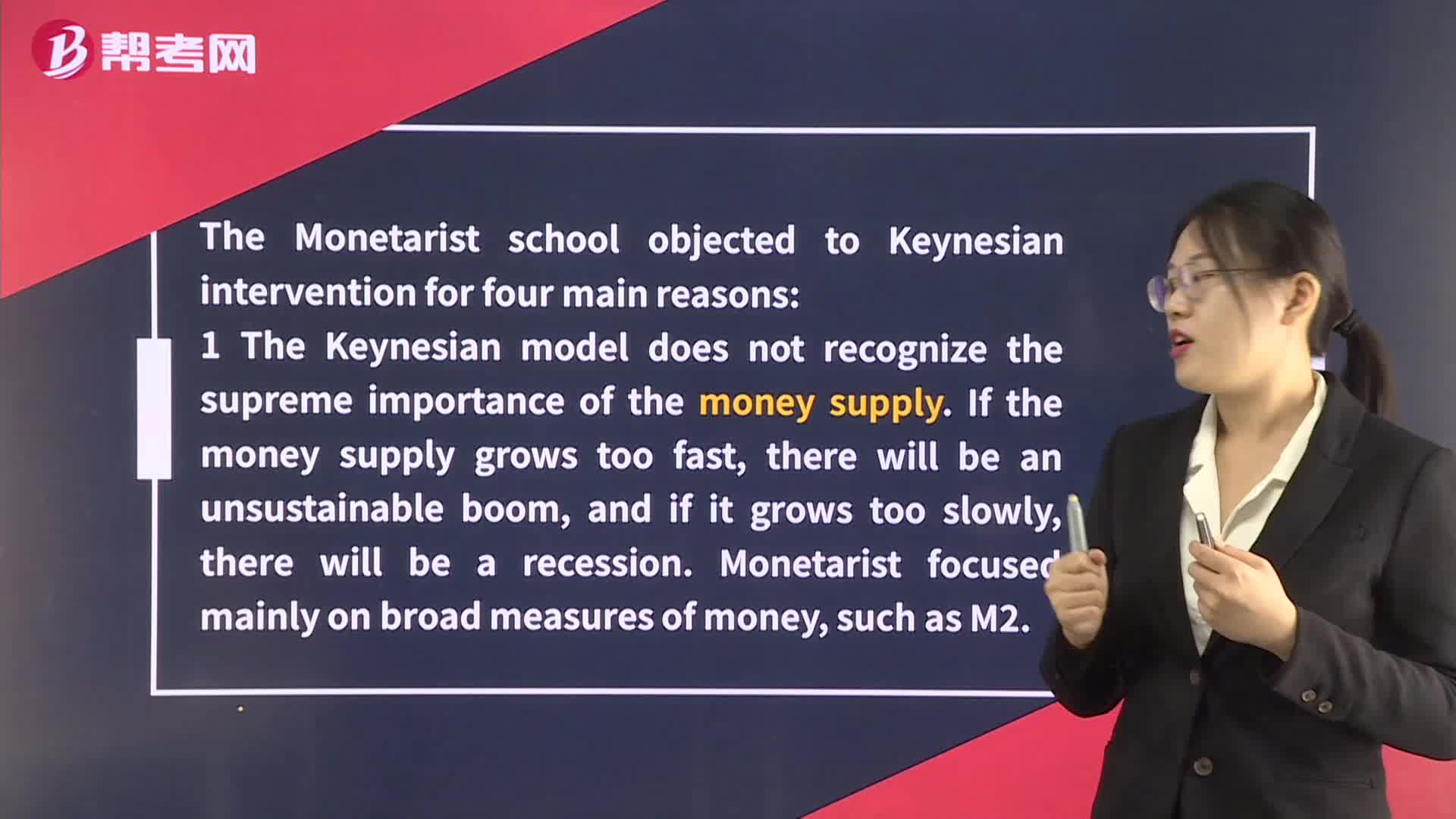
158Theories of the Business Cycle - Monetarist School:Theories of:boom,consider the long-term costs of government intervention e.g.continue to grow at a moderate rate.
 134
134Theories of the Business Cycle - Keynesian School:would be hard to attain.:the economy is already recovering.
 152
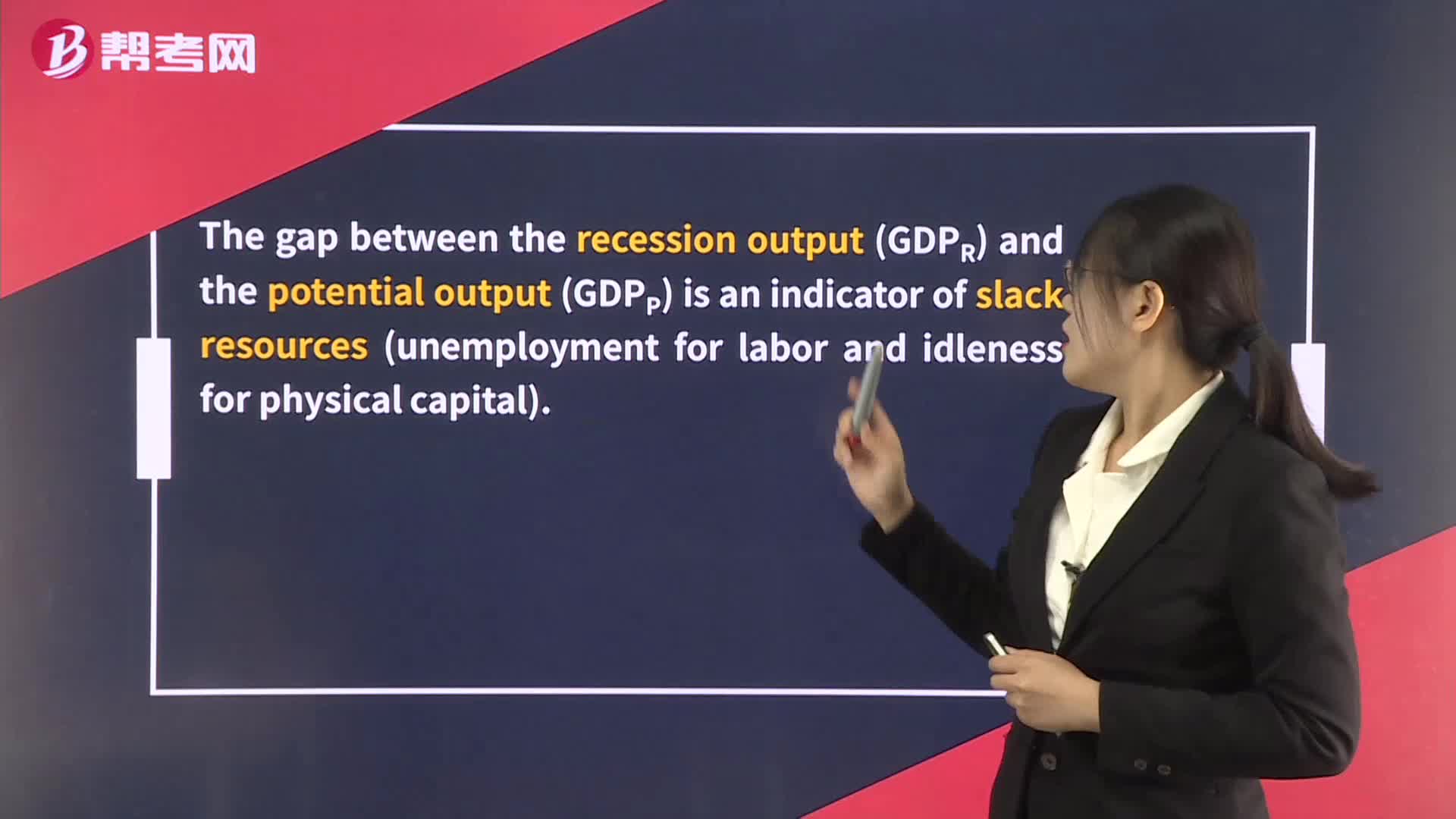
152Resource Use through the Business Cycle:which will further increase AD. inventory rebuilding or restocking

微信掃碼關(guān)注公眾號
獲取更多考試熱門資料