-

下載億題庫APP
-
聯(lián)系電話:400-660-1360
下載億題庫APP
聯(lián)系電話:400-660-1360

請謹(jǐn)慎保管和記憶你的密碼,以免泄露和丟失
請謹(jǐn)慎保管和記憶你的密碼,以免泄露和丟失
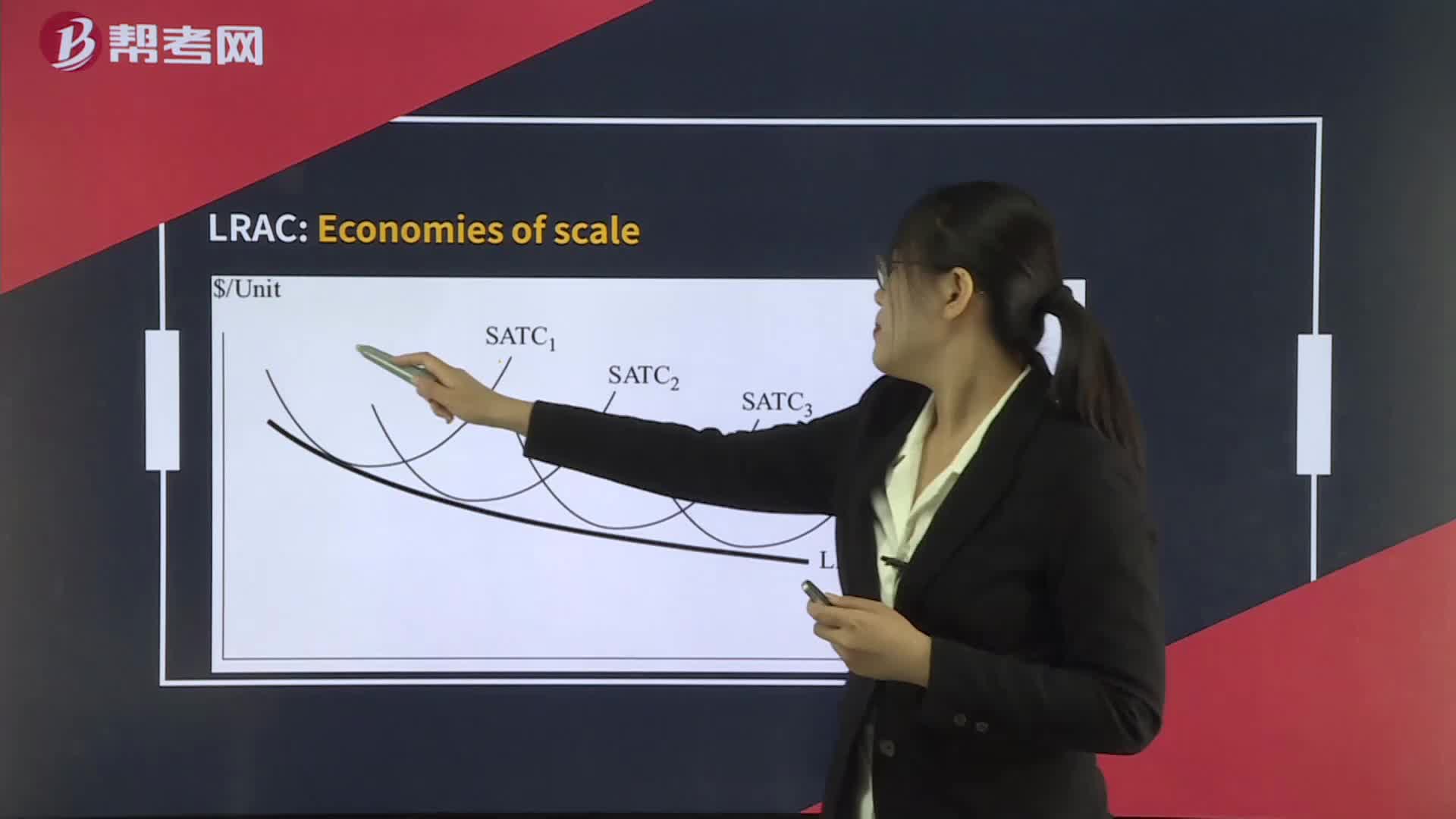
Economies of Scale and Diseconomies of Scale
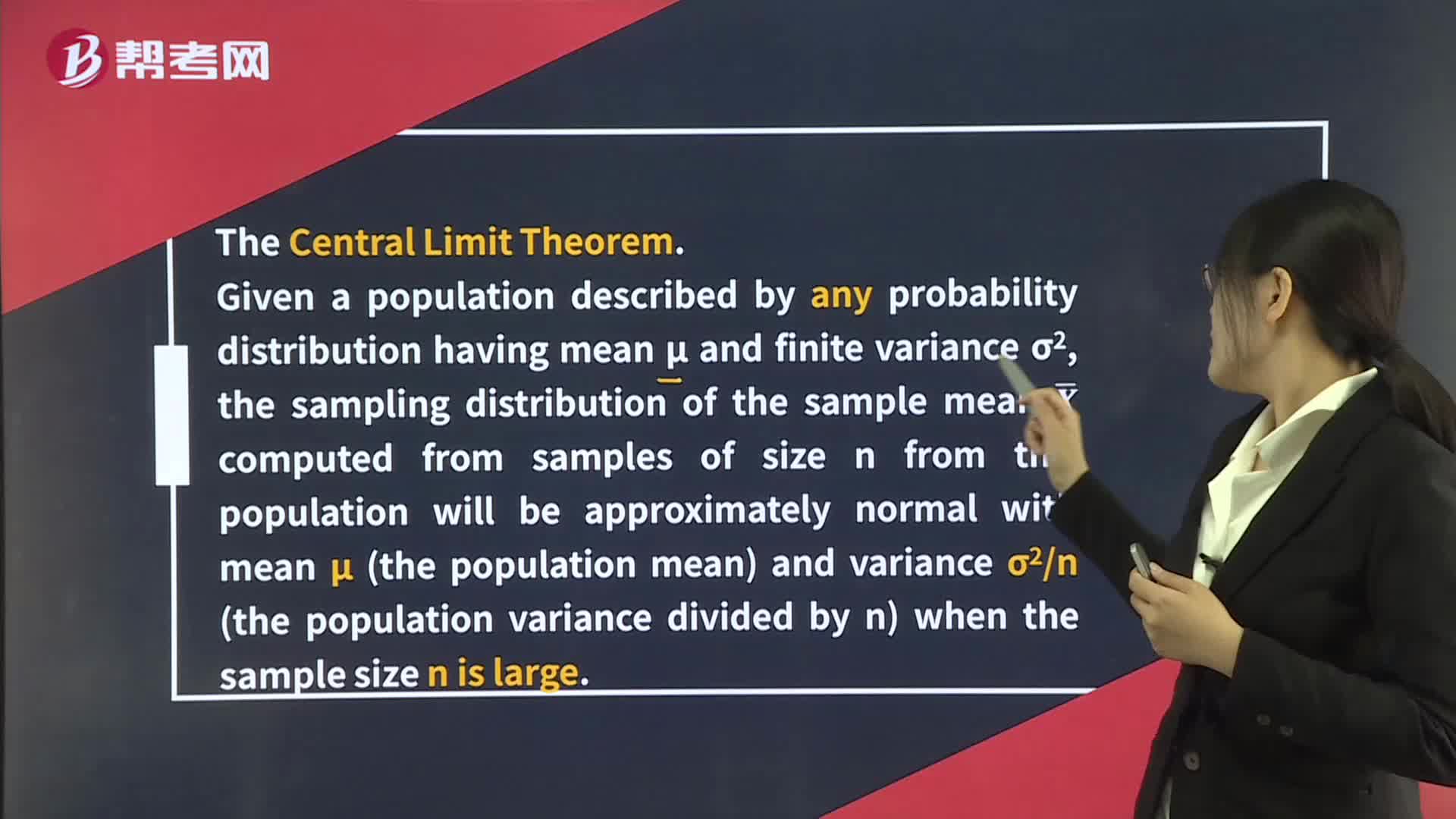
Distribution of the Sample Mean
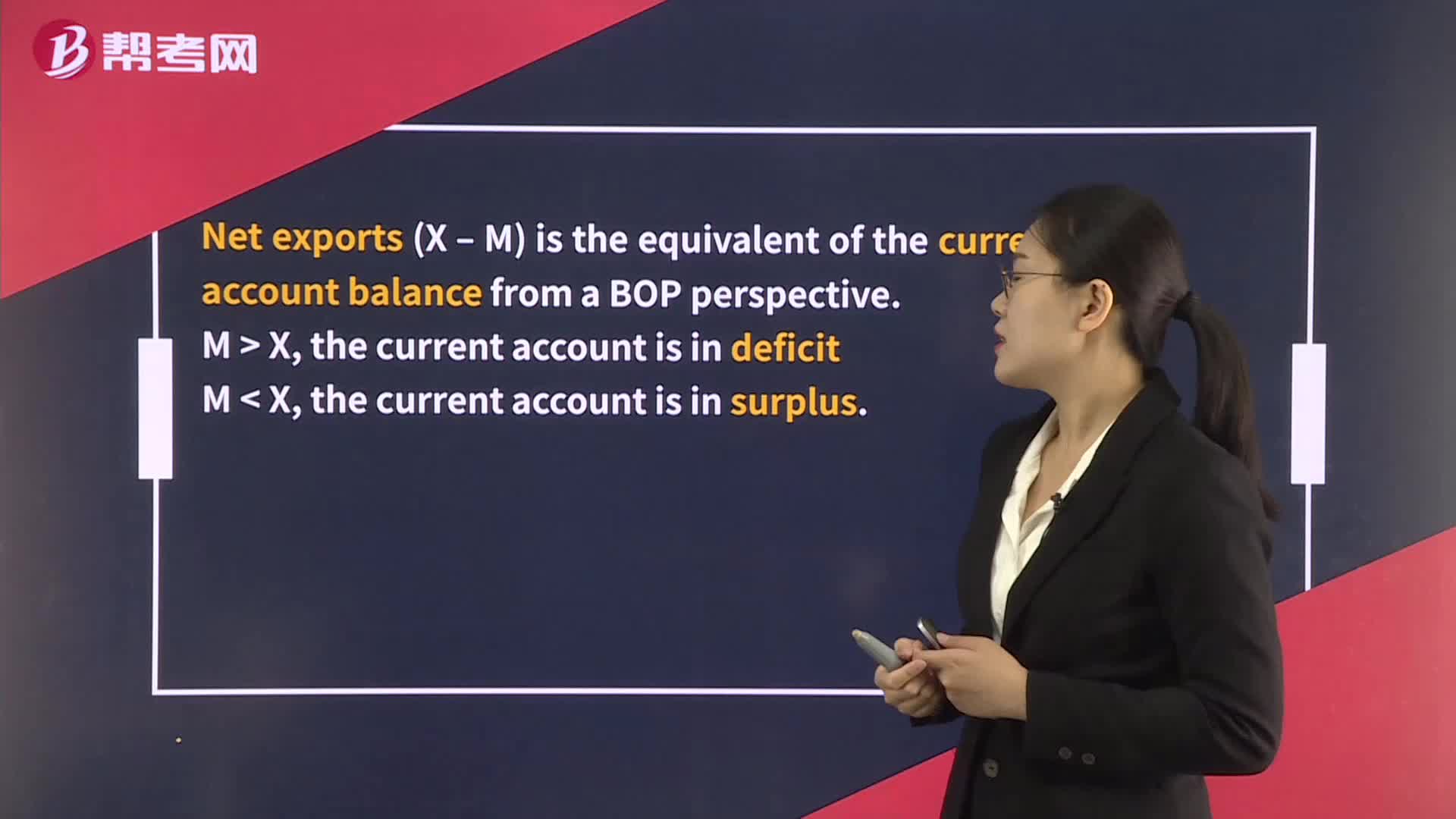
National Economic Accounts and the Balance of Payments
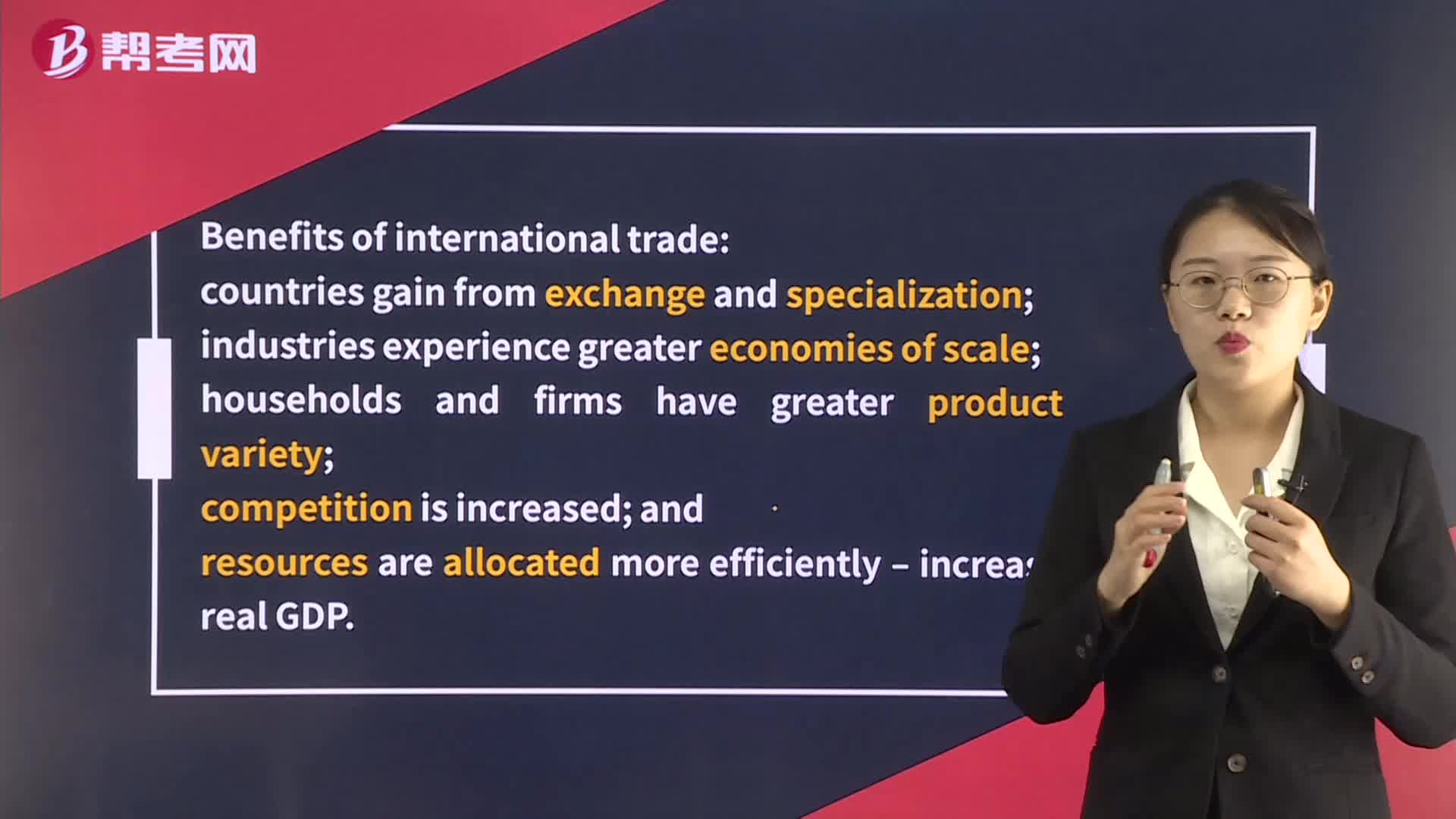
Benefits and Costs of International Trade
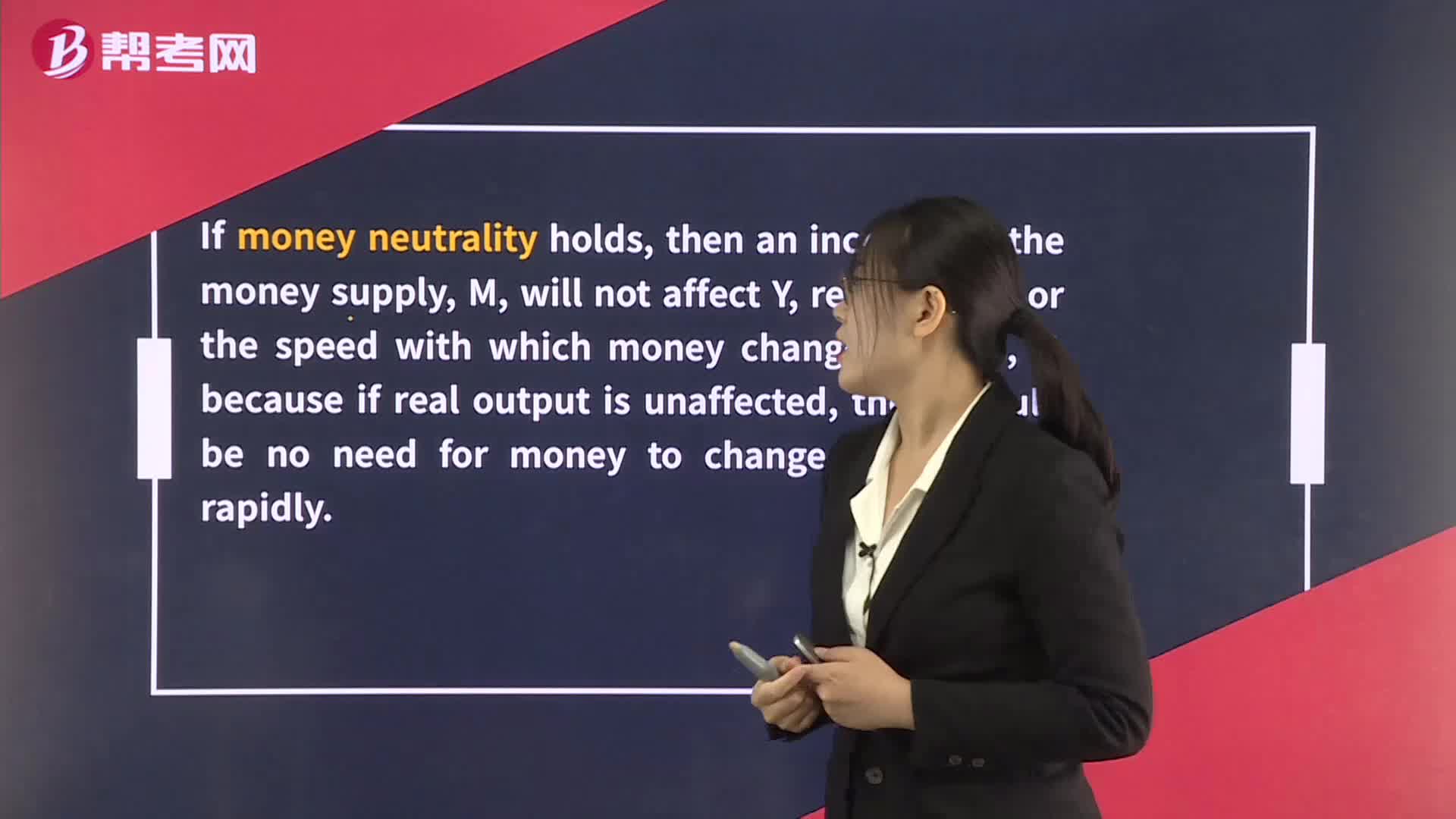
The Quantity Theory of Money
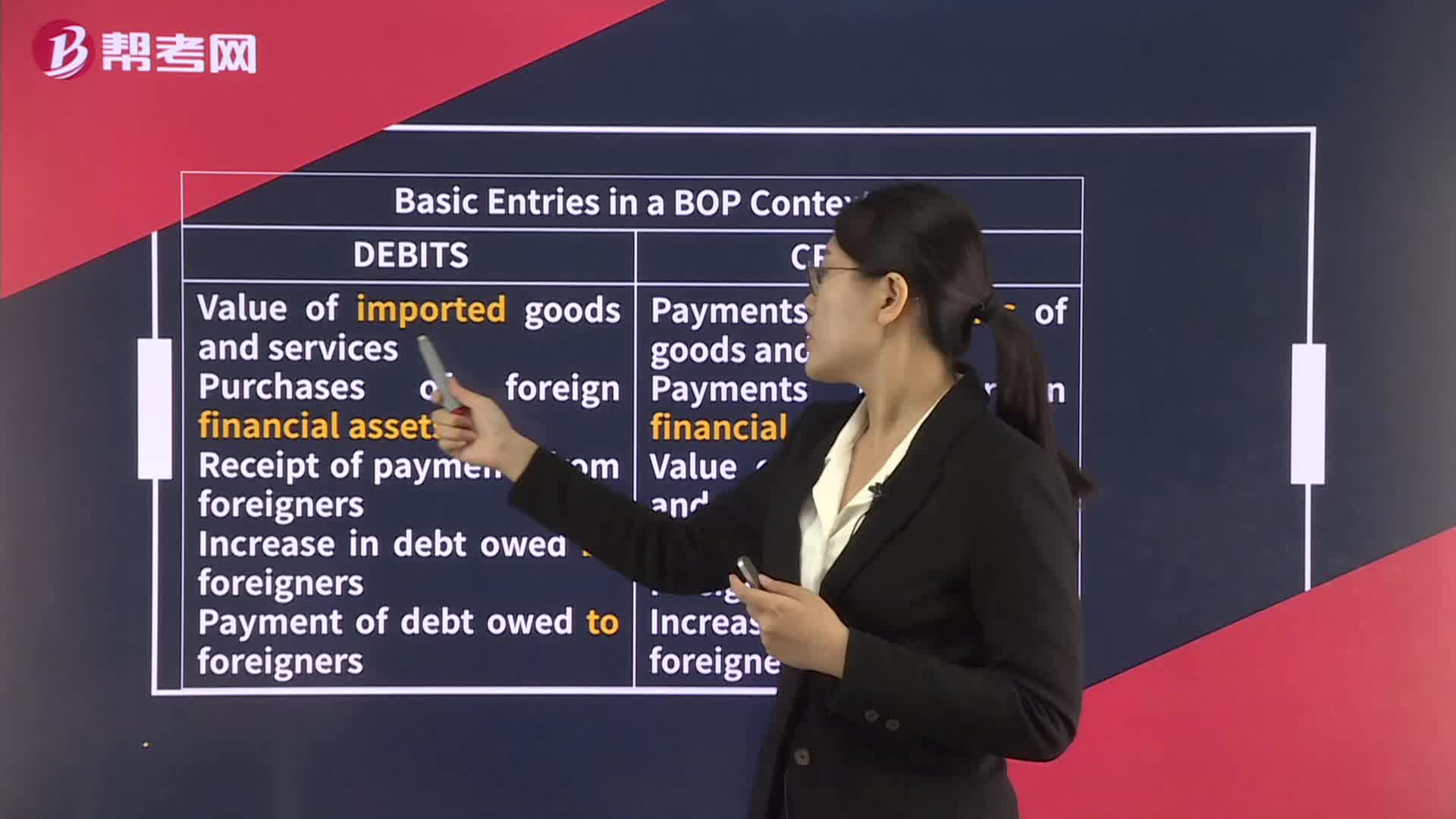
Balance of Payments Accounts
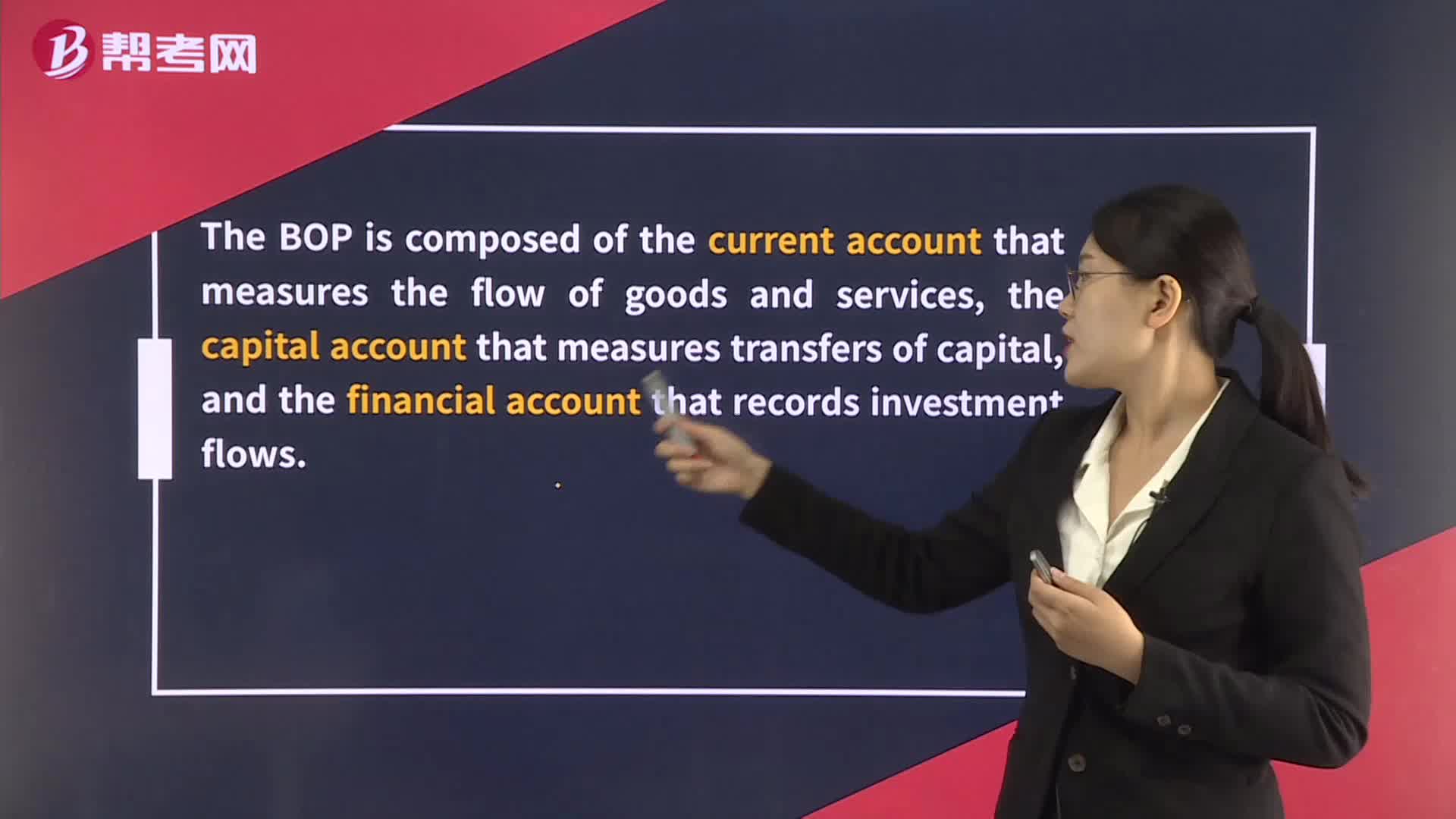
Balance of Payment Components
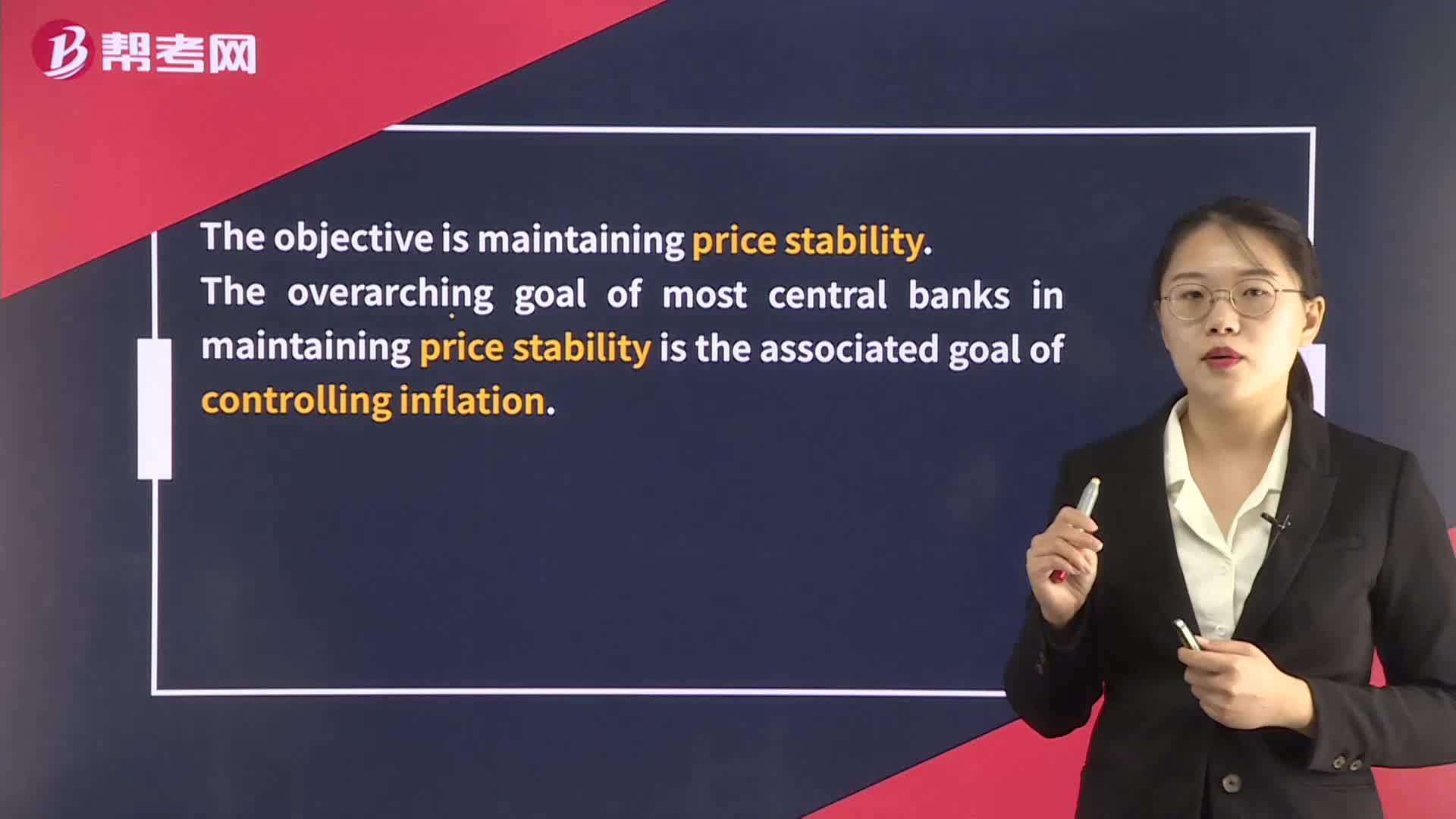
The Objectives of Monetary Policy
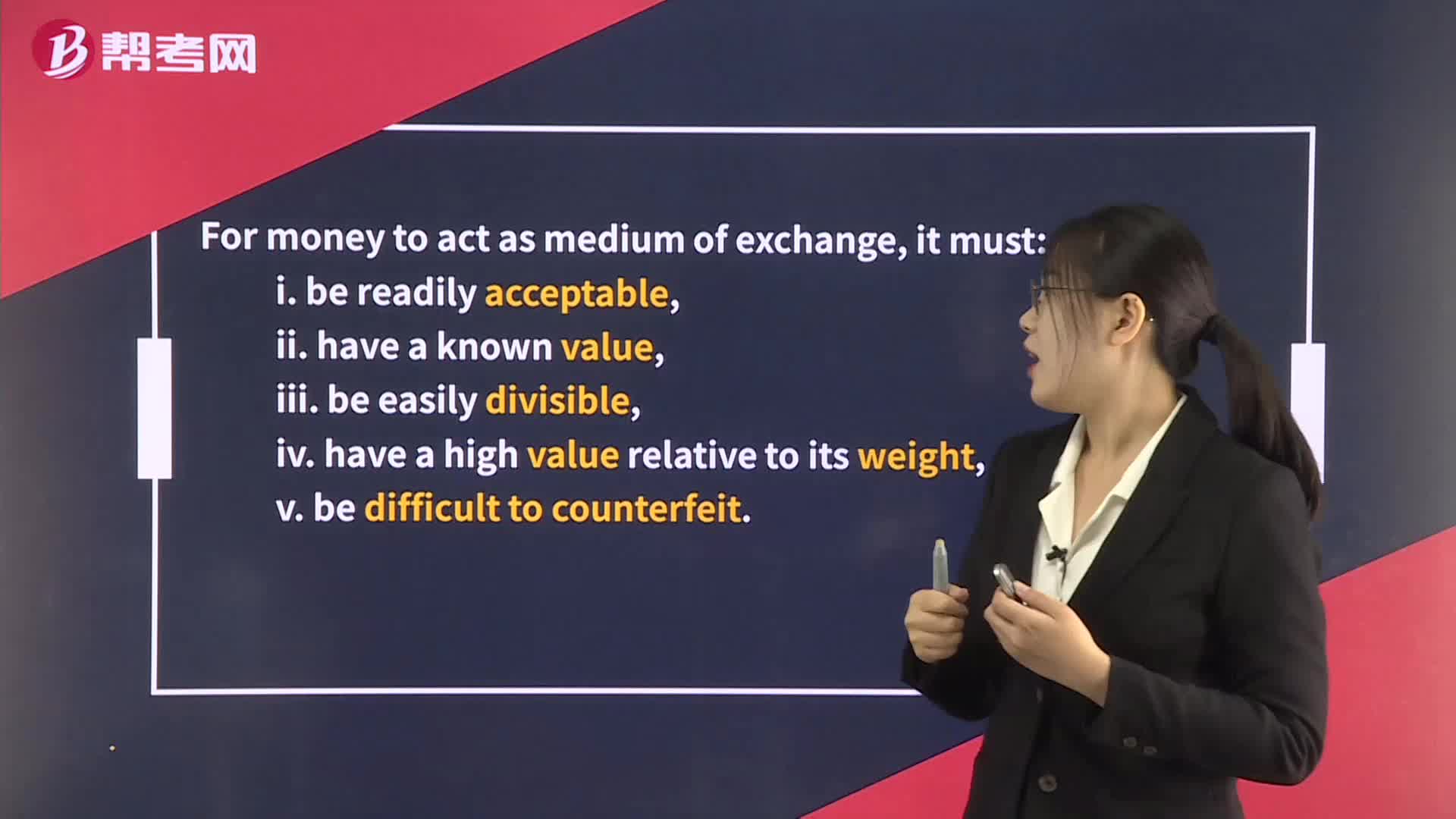
The Functions of Money
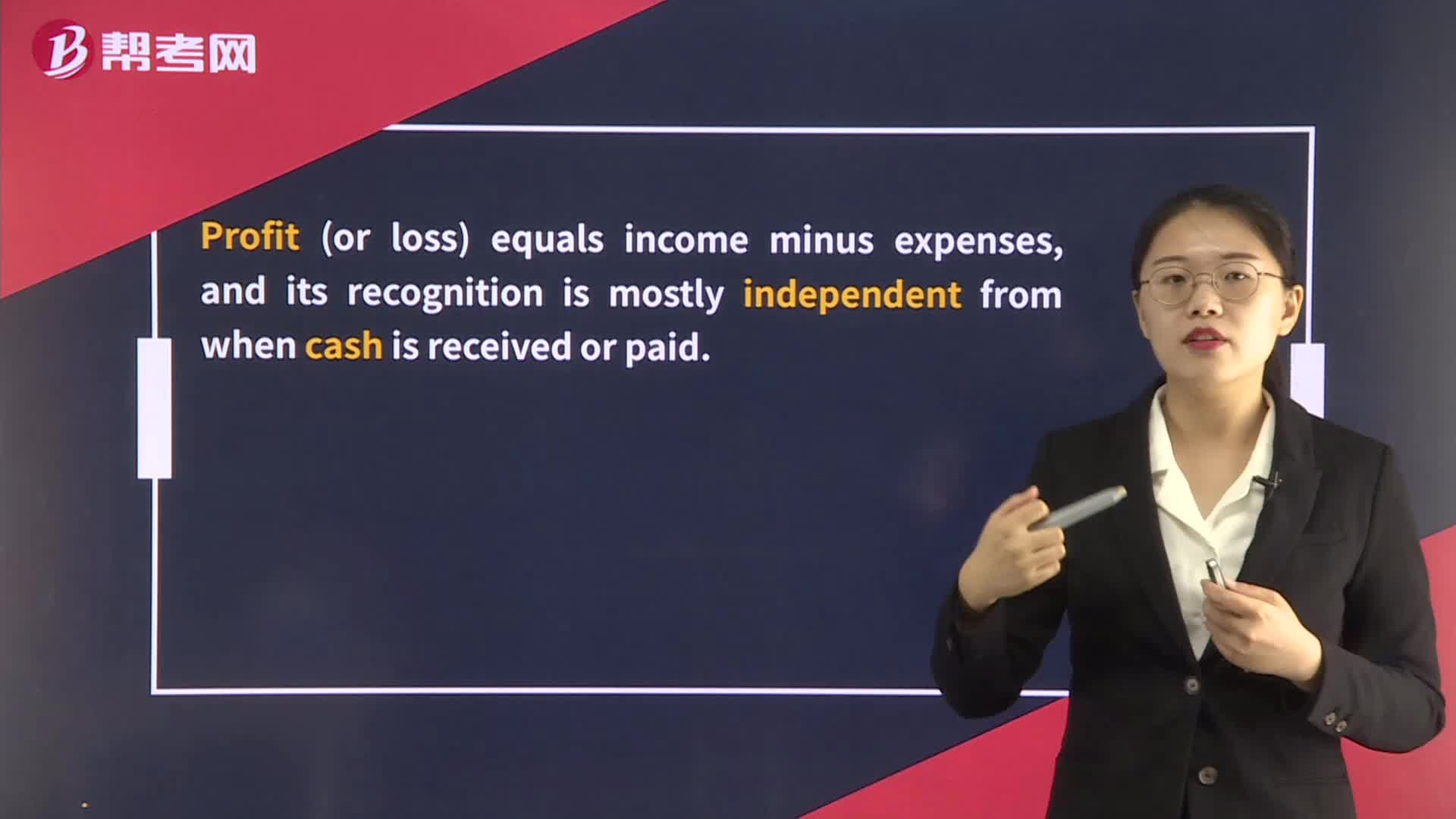
Examination of a Company’s Performance
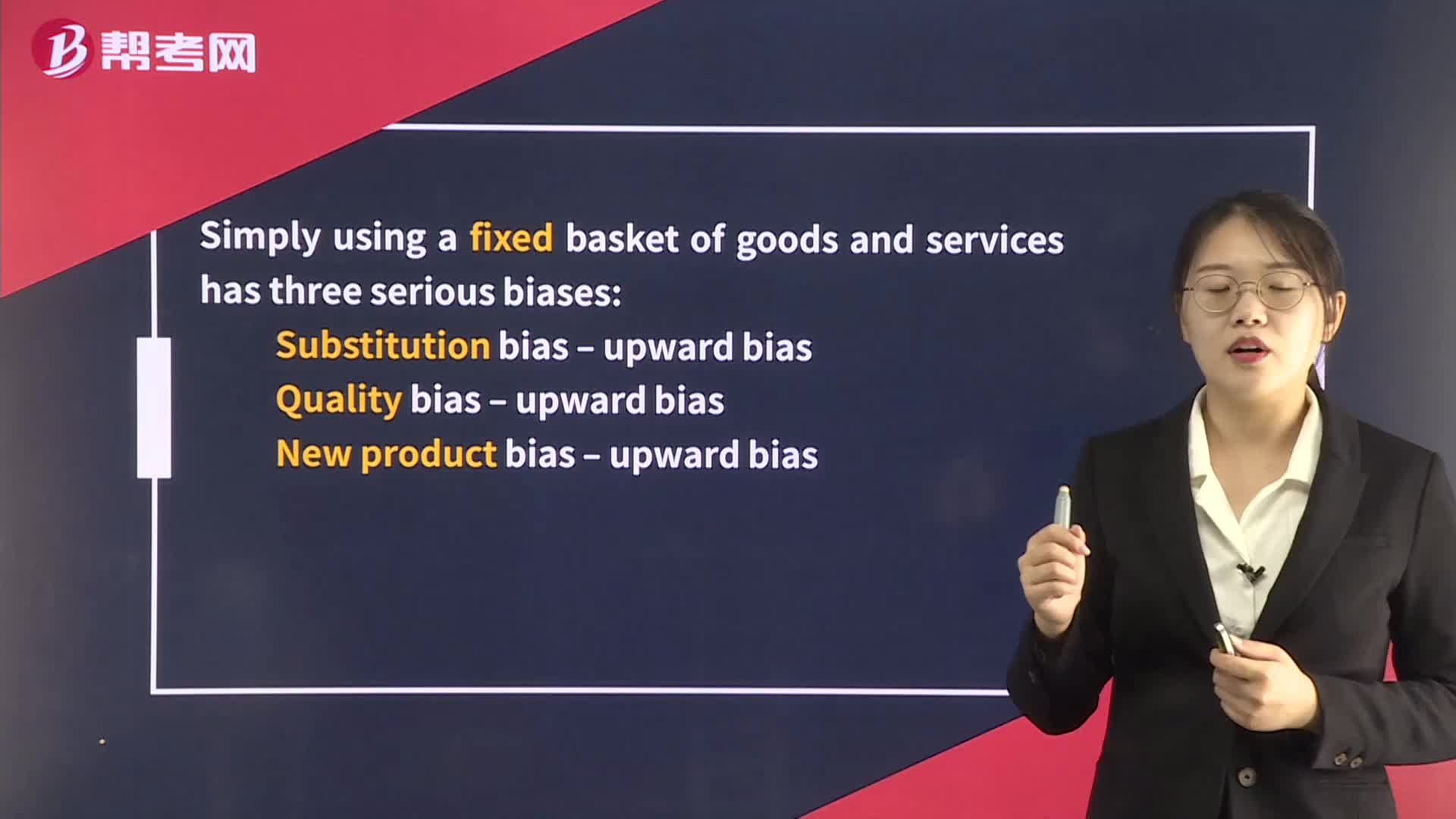
The Construction of Price Indexes
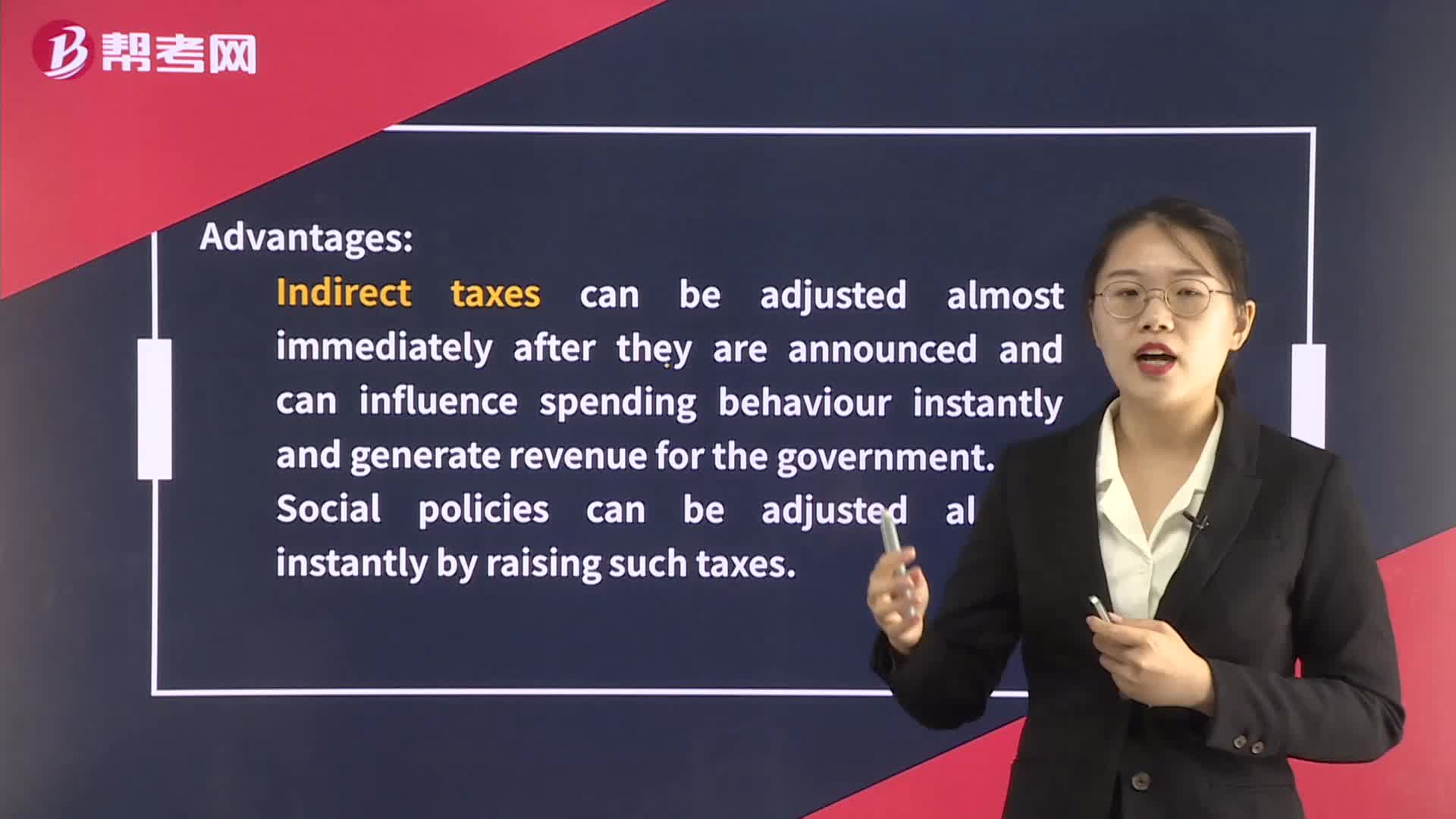
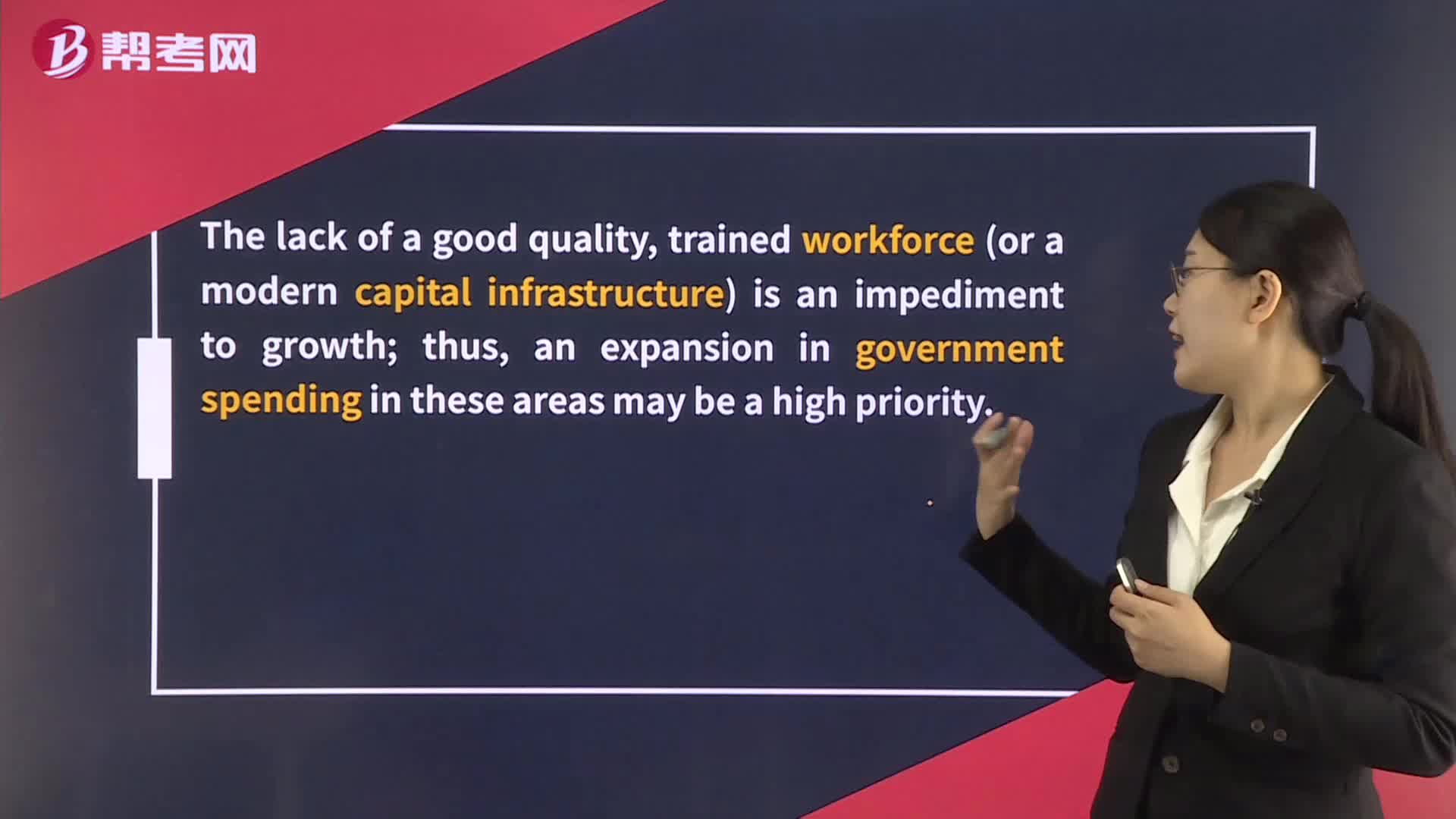
The Advantages and Disadvantages of Using the Different Tools of Fiscal Policy
 04:28
04:28
Factors Influencing the Mix of Fiscal and Monetary Policy:Monetary Policy;by the political context.:Both fiscal and monetary policies suffer from;lack of precise knowledge of where:studyNoaccommodation.
 03:47
03:47
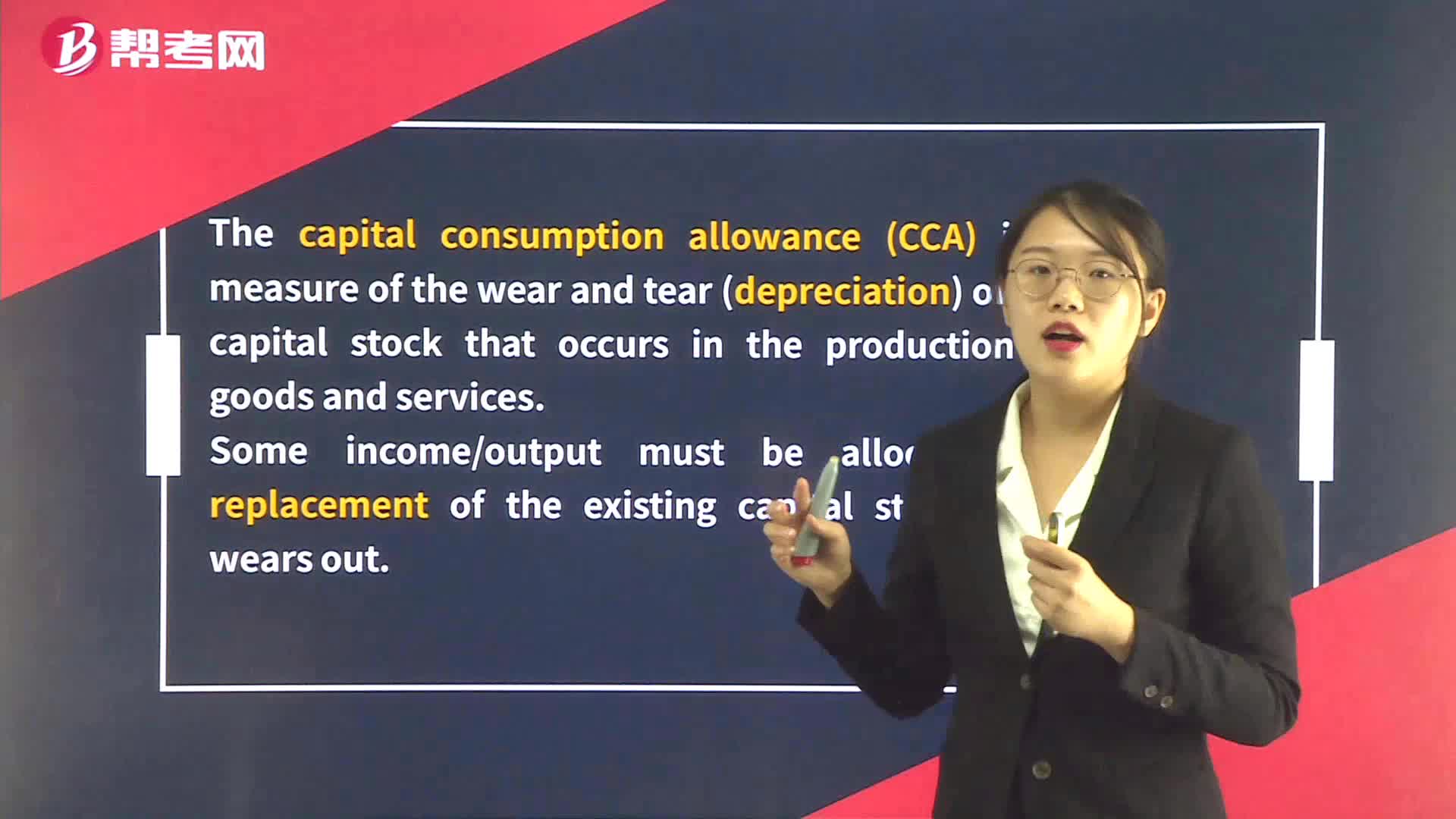
Calculation of GDP – Income Approach:+,SomeNationalincome=government
 16:32
16:32
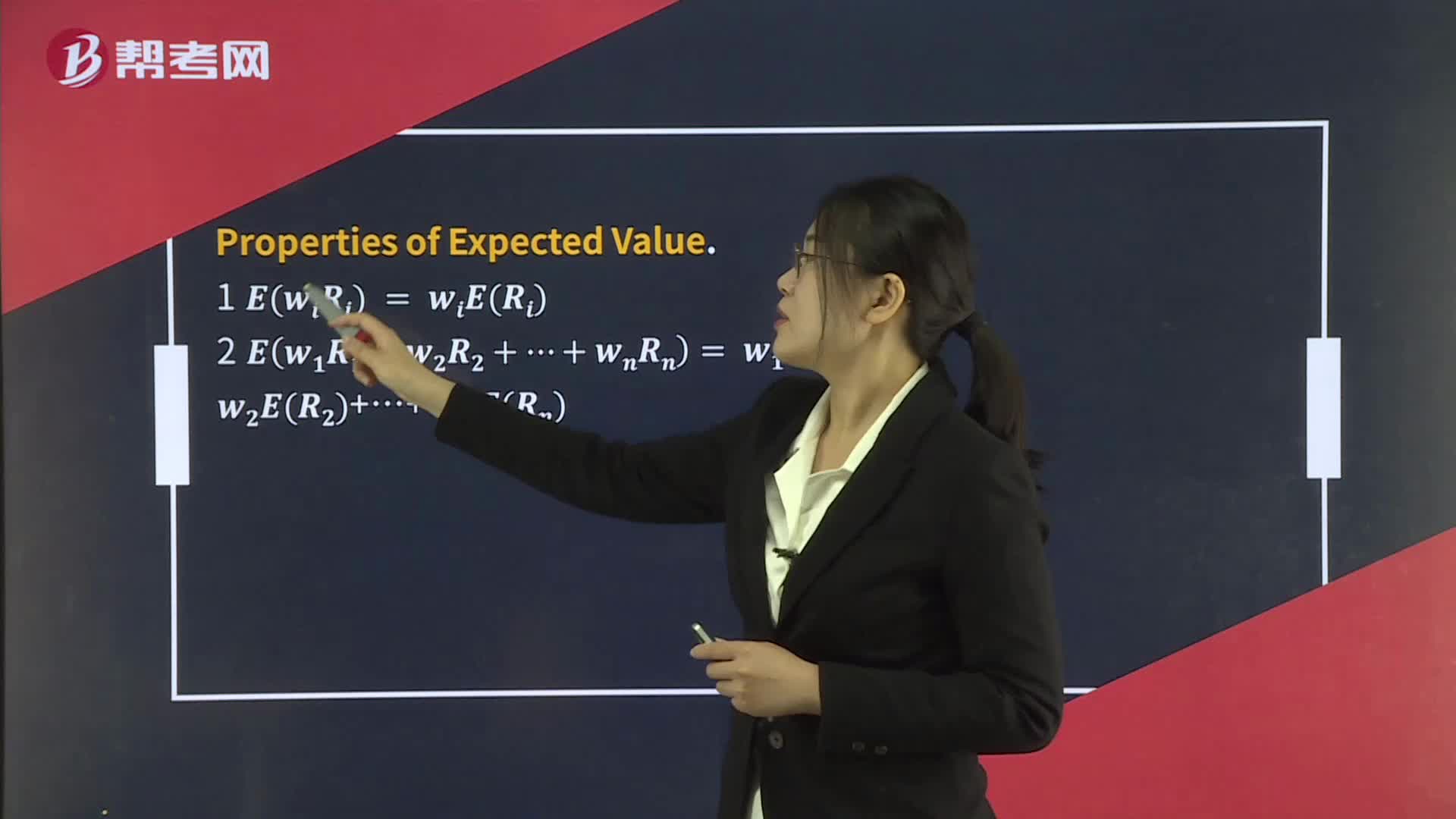
Portfolio Expected Return and Variance of Return:= 8112 = 9. Thus:RjB.C.FirstEXY = EXEY
 08:54
08:54
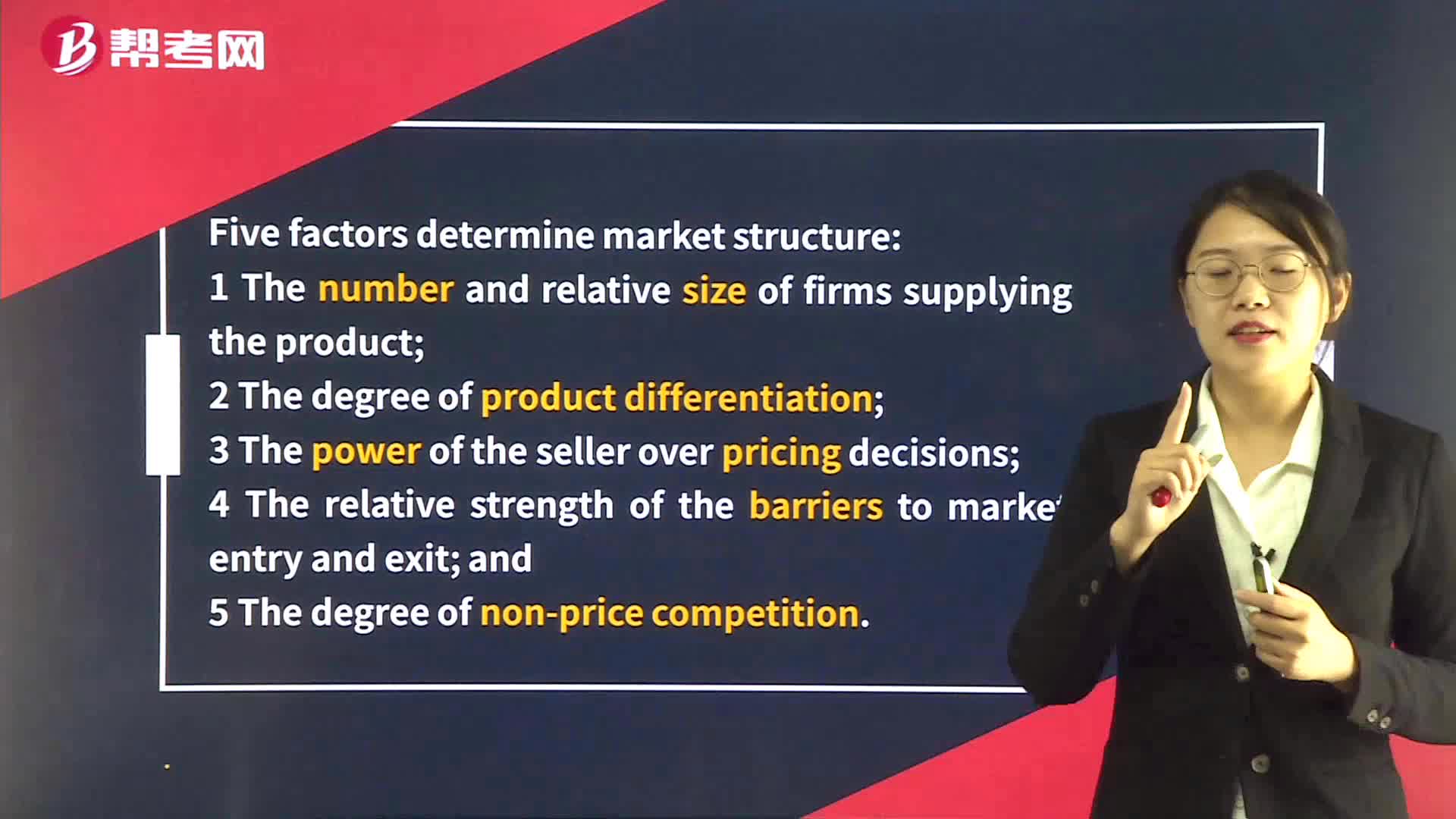
Analysis of Market Structure:2 The degree of product differentiation;4 The relative strength of the barriers to market entry and exit:monopoly.A[PracticeC.B
 03:04
03:04
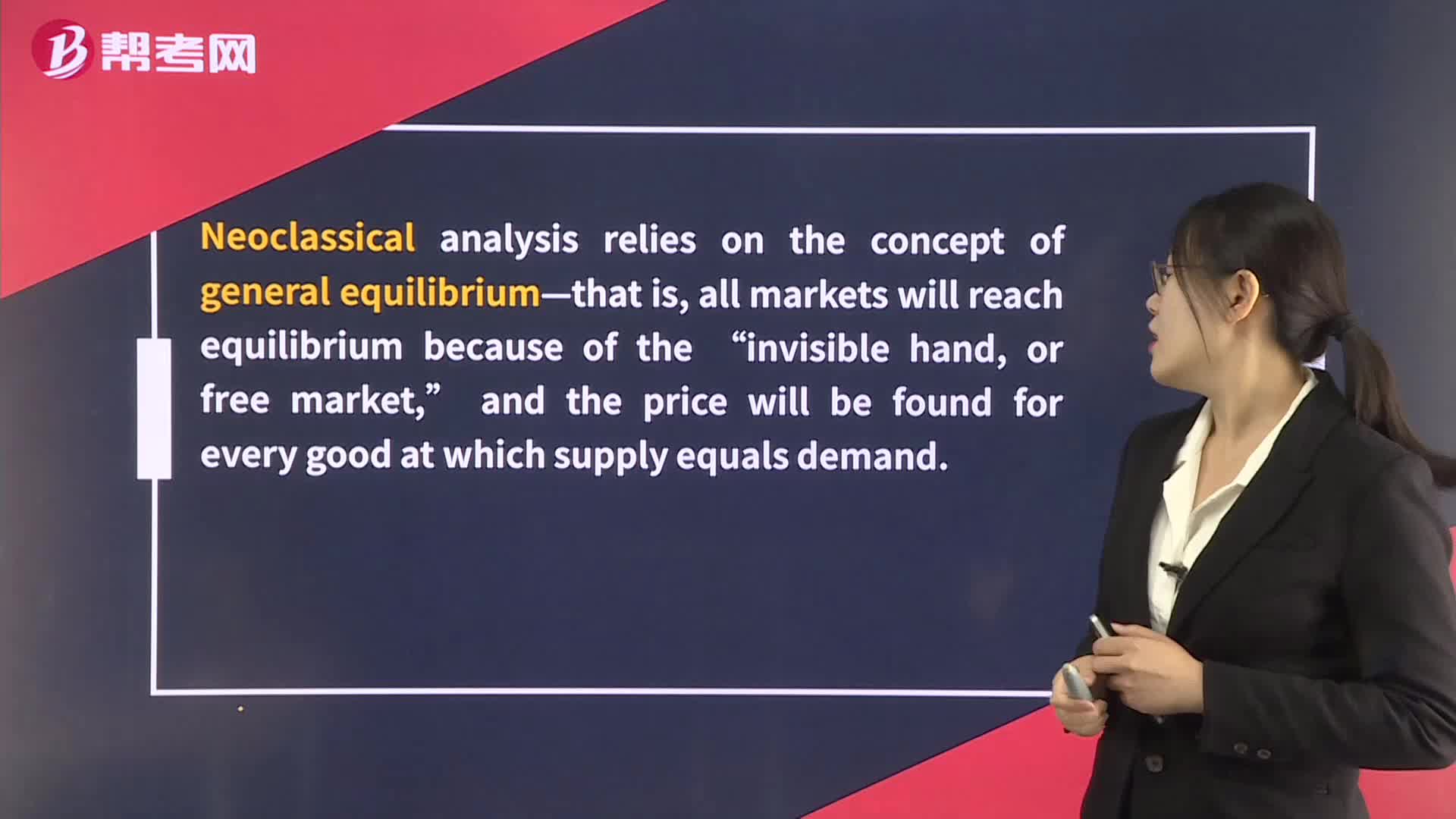
Theories of the Business Cycle - Neoclassical and Austrian Schools:hand,every good at which supply equals demand.:schoolto do in the recession phase is to allow the necessary market adjustment to take place as quickly as possible.
 10:25
10:25
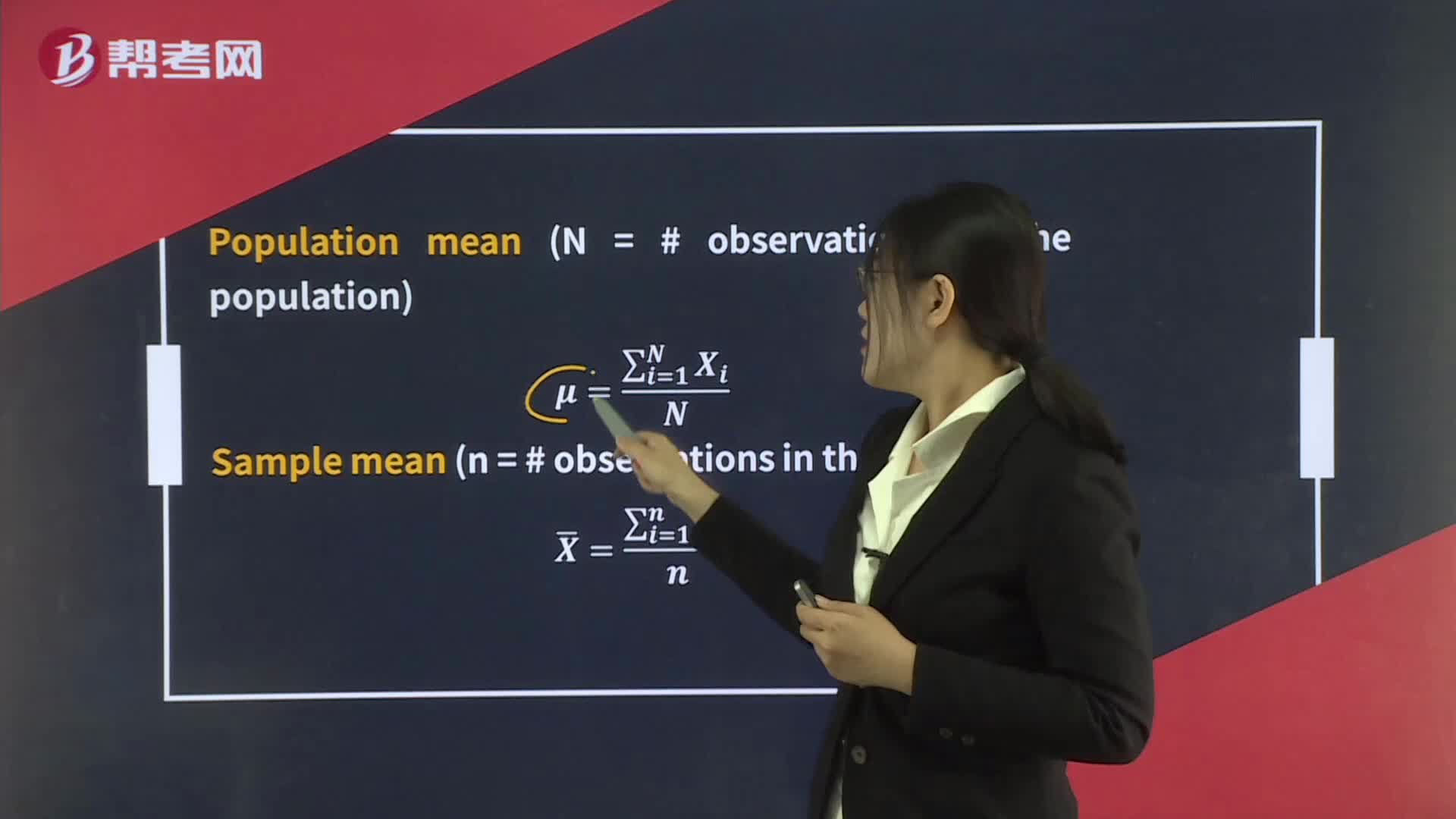
Measures of Central Tendency:mean is the sum of the observations divided by the number of observations.:In:an odd-numbered sample of n items,The0.8% higher than the mean for Portfolio R.
 00:53
00:53
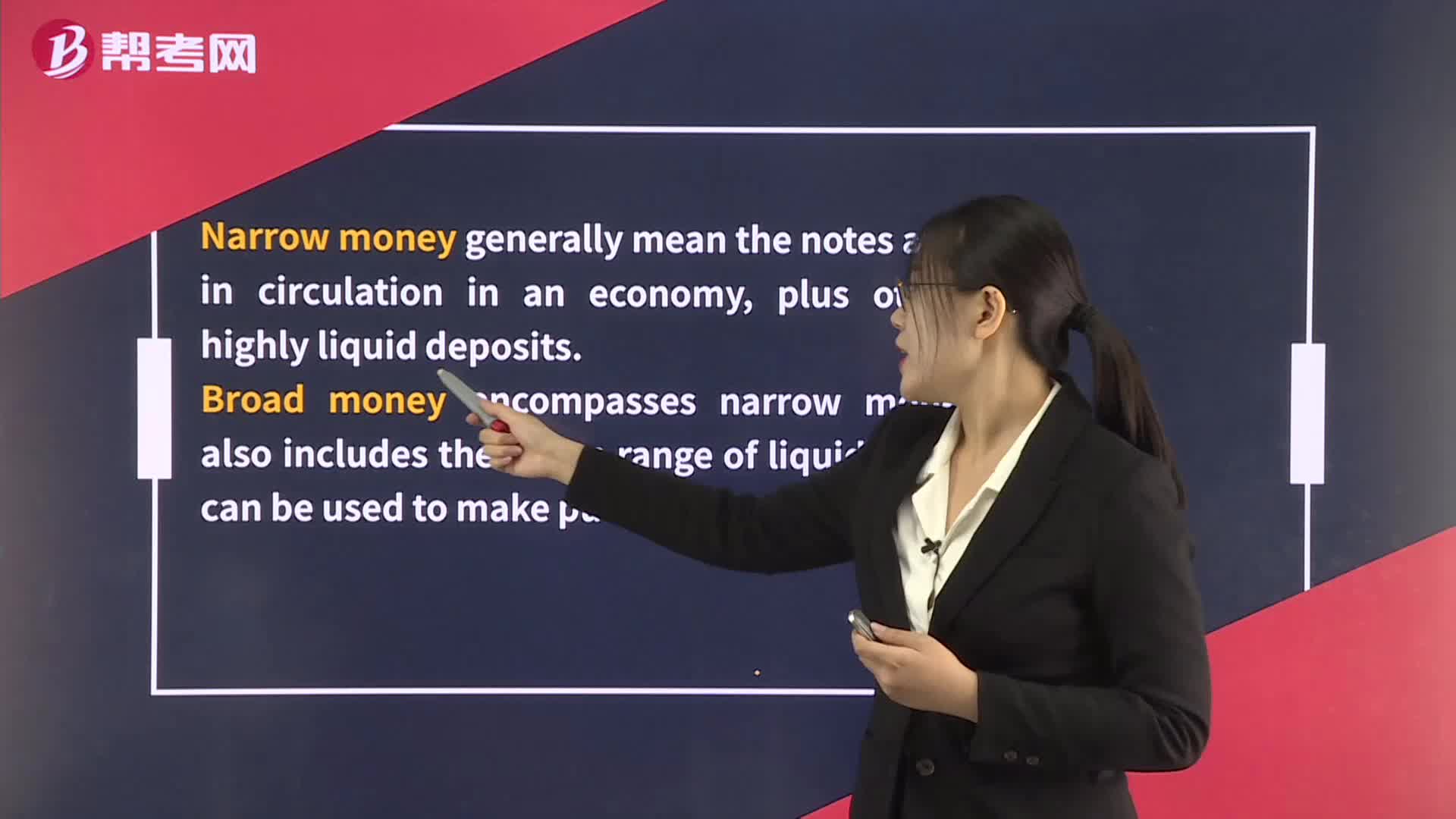
Definitions of Money:entire range of liquid assets that can be used to make purchases.
 03:12
03:12
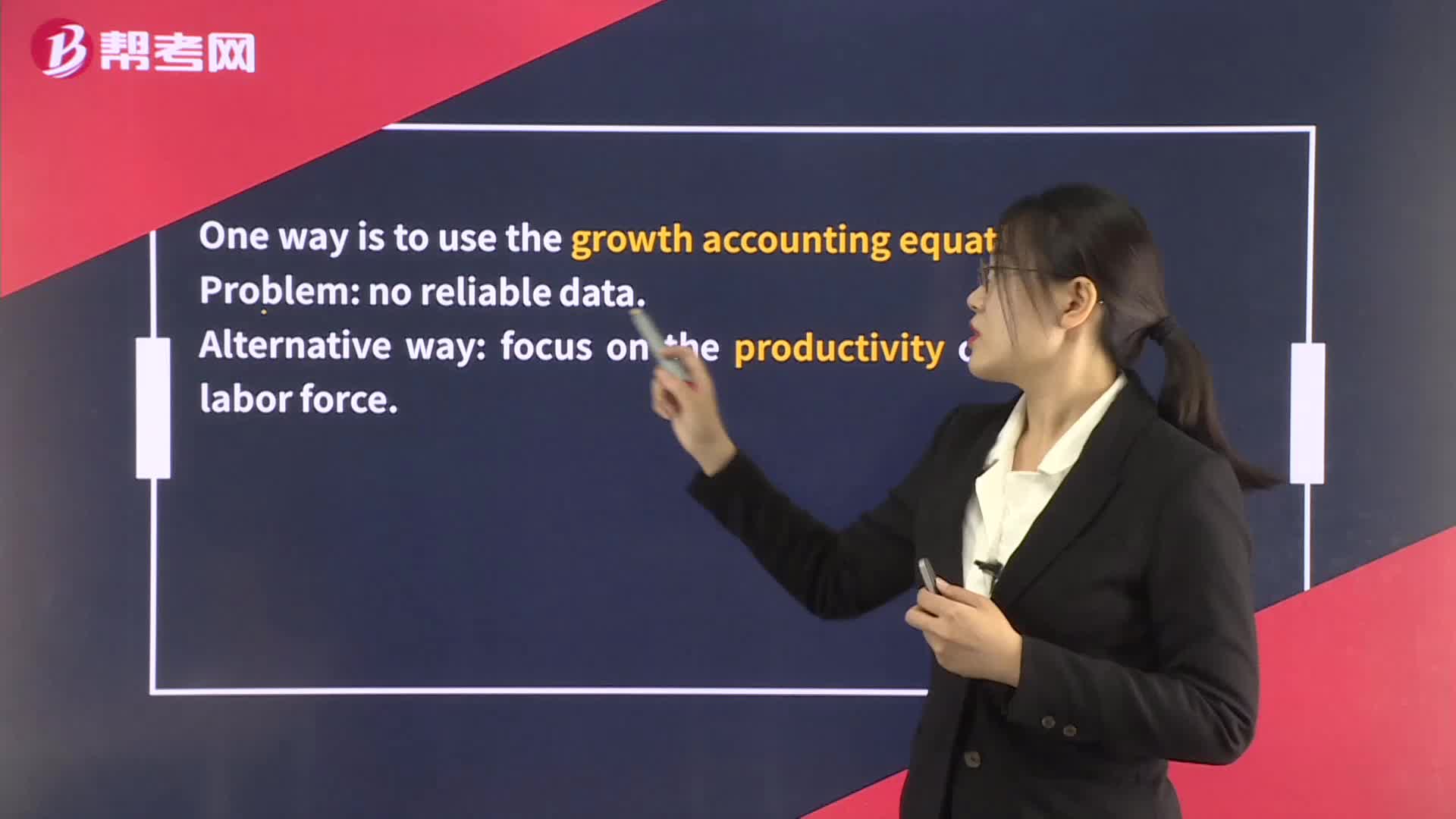
Measures of Sustainable Growth:One way is to use the growth accounting equation. Problem:real GDP that a worker can produce in one hour of work.KLPotential GDP = Aggregate hours worked × Labor productivity
 04:12
04:12
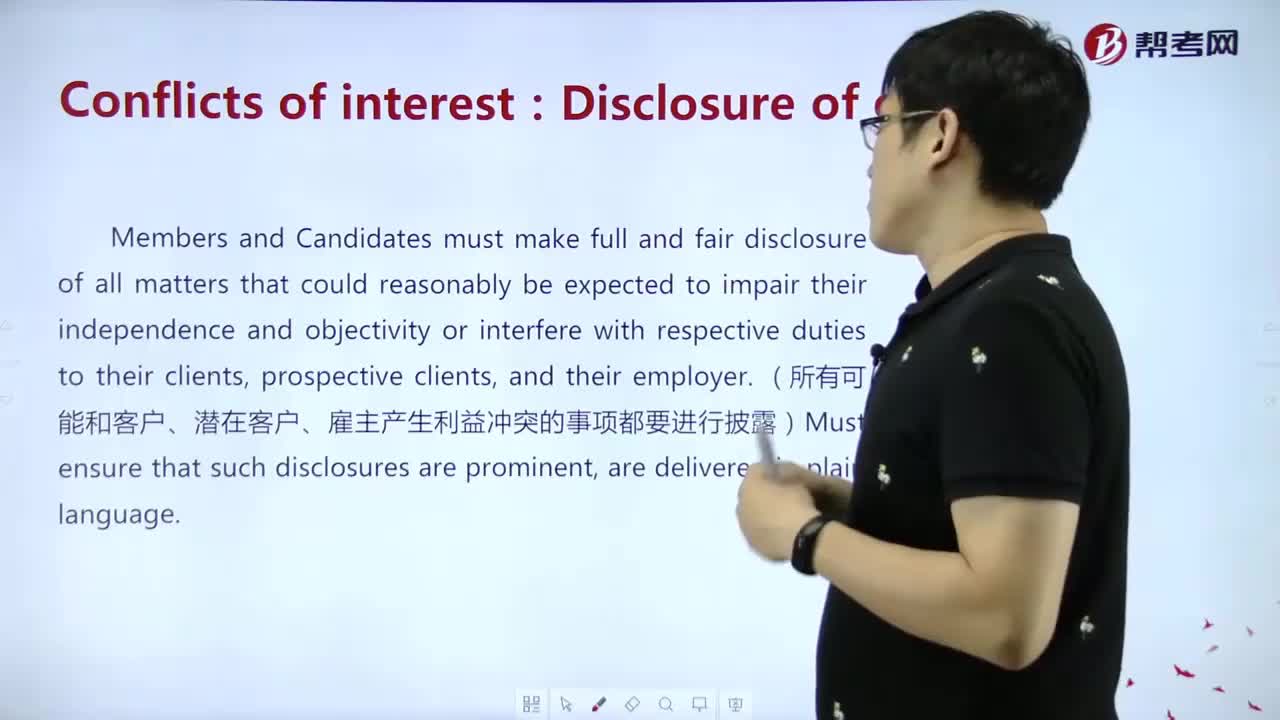
Why members and candidates must make disclosure of all matters ?:and their employer. (所有可能和客戶、潛在客戶、雇主產(chǎn)生利益沖突的事項(xiàng)都要進(jìn)行披露)Must ensure that such disclosures are prominent,必須披露)The best practice is to assign another to follow up the company.;
 06:13
06:13
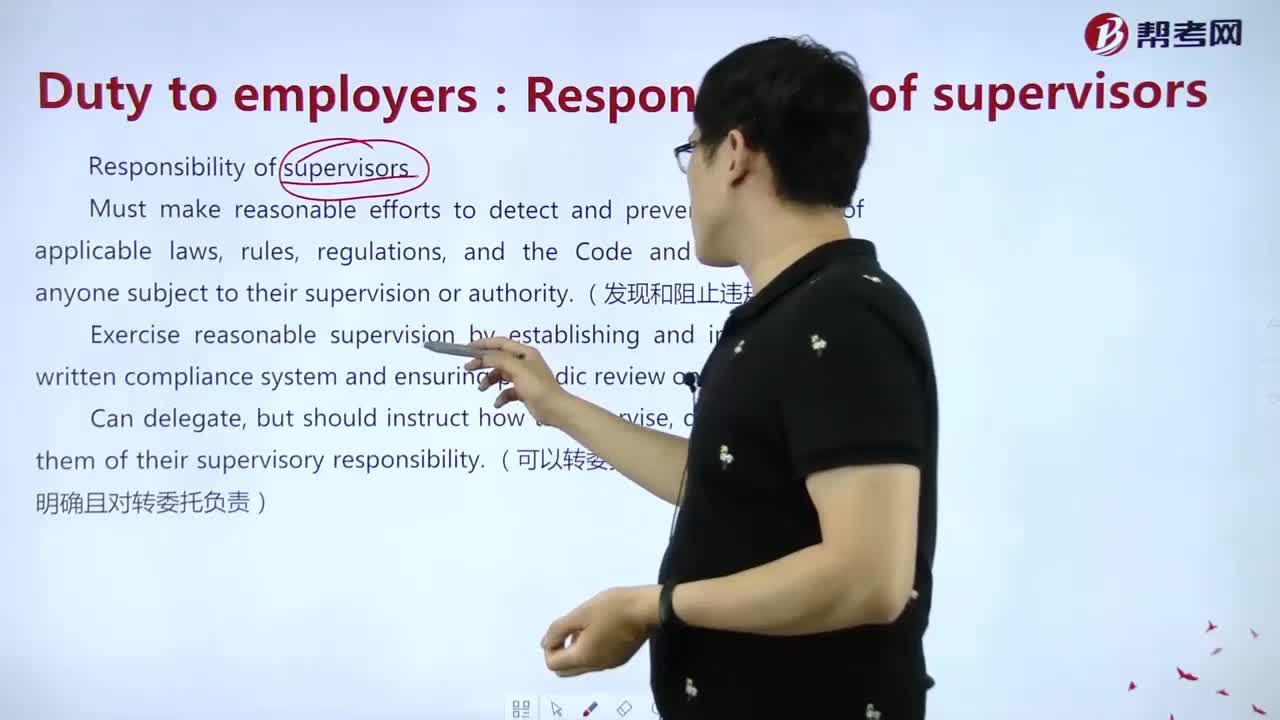
What’s the responsibility of supervisors?:does not relieve them of their supervisory responsibility. (可以轉(zhuǎn)委托他人監(jiān)管,但必須指示明確且對轉(zhuǎn)委托負(fù)責(zé)),應(yīng)拒絕承擔(dān)監(jiān)管者責(zé)任),
 11:00
11:00
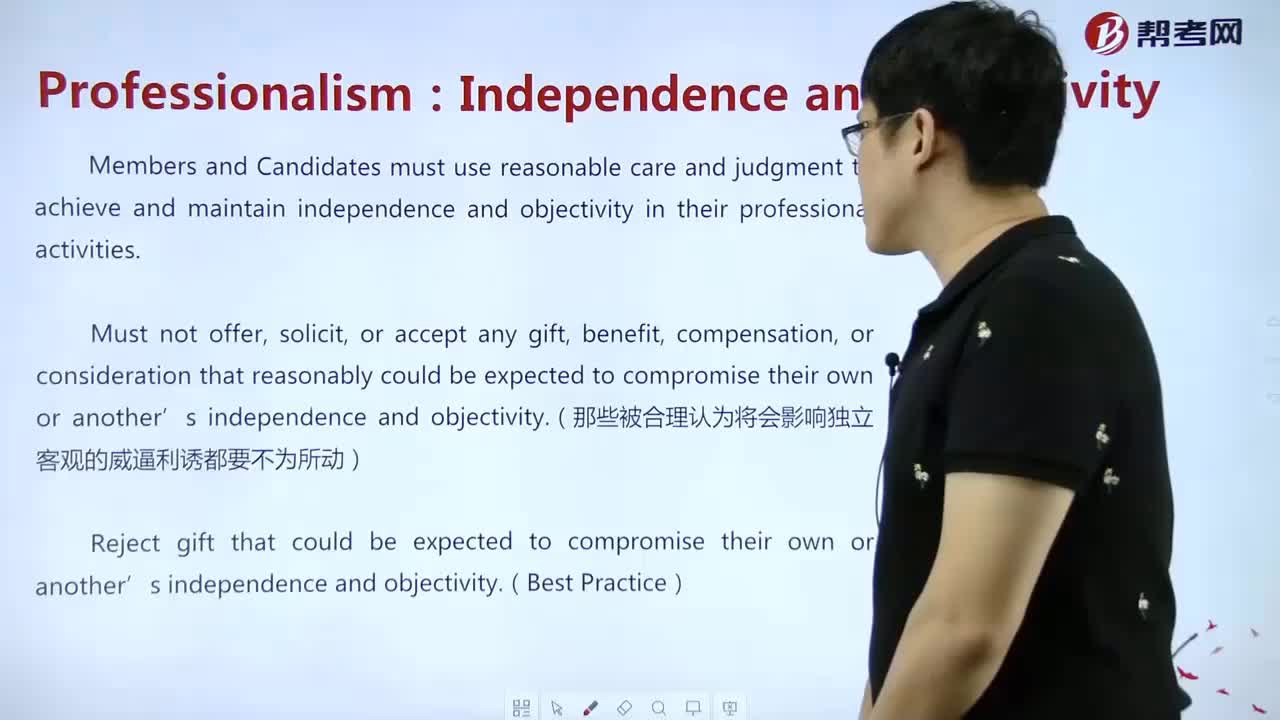
What's the meaning of independence and objectivity in professionalism?:or consideration that reasonably could be expected to compromise their own or another’s independence and objectivity.(那些被合理認(rèn)為將會(huì)影響?yīng)毩⒖陀^的威逼利誘都要不為所動(dòng)),但在他人眼中會(huì)影響?yīng)毩⑿砸膊恍校┛赡艿脑捠孪扰督o雇主告訴雇主是為了引起雇主的同意
 06:50
06:50
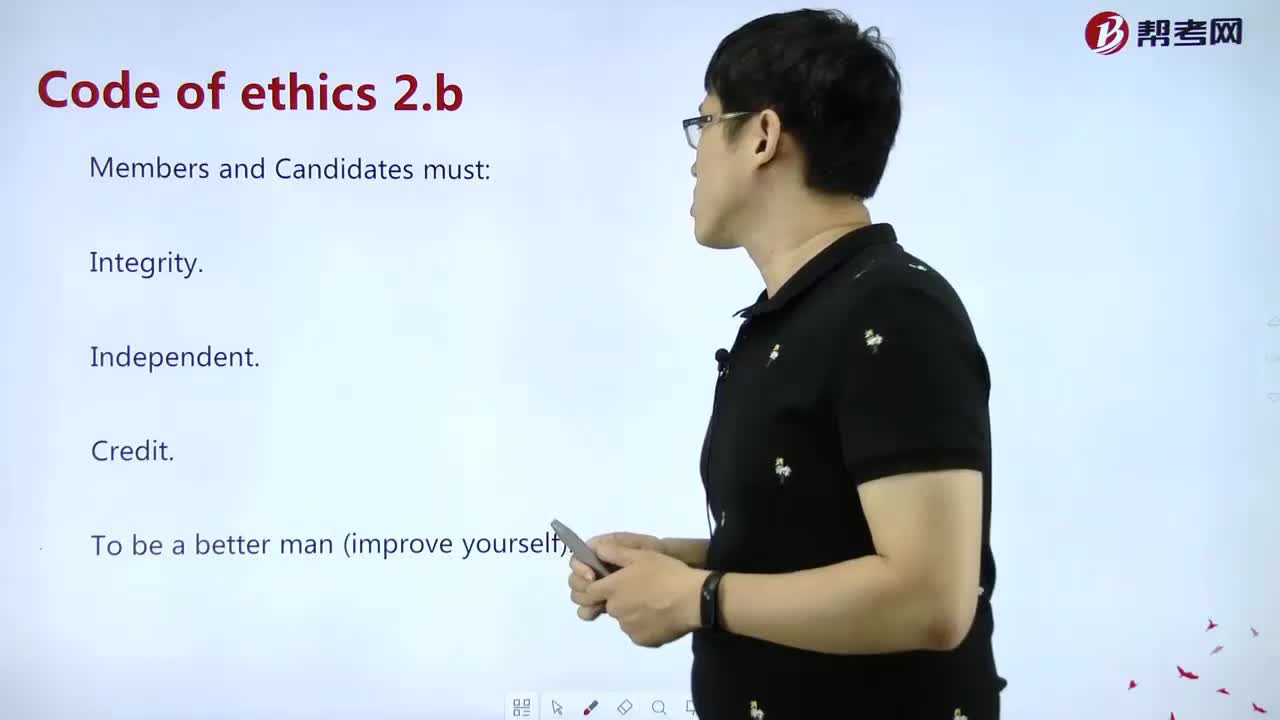
How to understand the Code of ethics and trust in the investment profession?:I,Professionalism:II:IIIIVVVIVIIResponsibilities as a CFA member or candidate
