
下載億題庫(kù)APP
聯(lián)系電話:400-660-1360
下載億題庫(kù)APP
聯(lián)系電話:400-660-1360

請(qǐng)謹(jǐn)慎保管和記憶你的密碼,以免泄露和丟失
請(qǐng)謹(jǐn)慎保管和記憶你的密碼,以免泄露和丟失
Equilibrium GDP and Prices - Inflationary Gap
Increases in AD lead to economic expansions as real GDP and employment increase. If the expansion drives the economy beyond its production capacity, however, inflation will occur.
Factors that stimulate AD and shift the AD curve to the right:
higher government spending
lower taxes
a more optimistic outlook among consumers and businesses
a weaker domestic currency
rising equity and housing prices
an increase in the money supply
An inflationary gap occurs when the economy’s short-run level of equilibrium GDP is above potential GDP, resulting in upward pressure on prices.

Government and/or central bank can use the tools of fiscal and monetary policy to control inflation by shifting the AD curve to the left.
Fiscal: raise taxes or cut government spending.
Monetary: the central bank can reduce bankreserves, resulting in a decrease in the growth of the money supply and higher interest rates.
If there is an expansion caused by an increase in AD, the following conditions are likely to occur:
Corporate profits will rise.
Commodity prices will increase.
Interest rates will rise.
Inflationary pressures will build.
This suggests the following investment strategy:
Increase investment in cyclical companies.
Reduce investments in defensive companies.
Increase investments in commodities and commodity-oriented equities.
Reduce investments in fixed-income securities, especially longer-maturity.
Raise exposure to speculative fixed-income securities (junk bonds).
 138
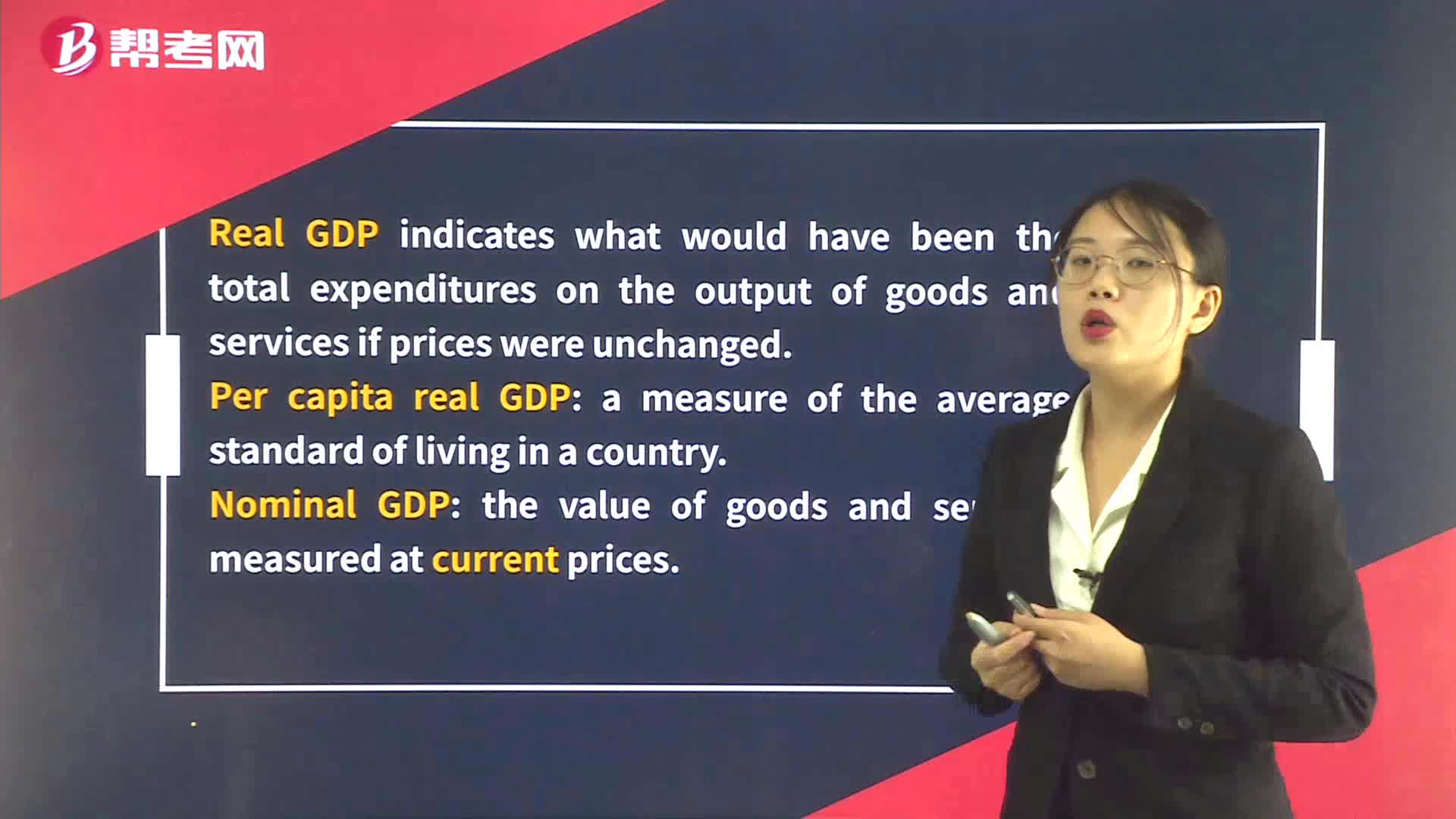
138Real GDP & Nominal GDP:Real GDP Nominal GDP:Real:PerGDPthe quantity of output available for consumption and investment.
 87
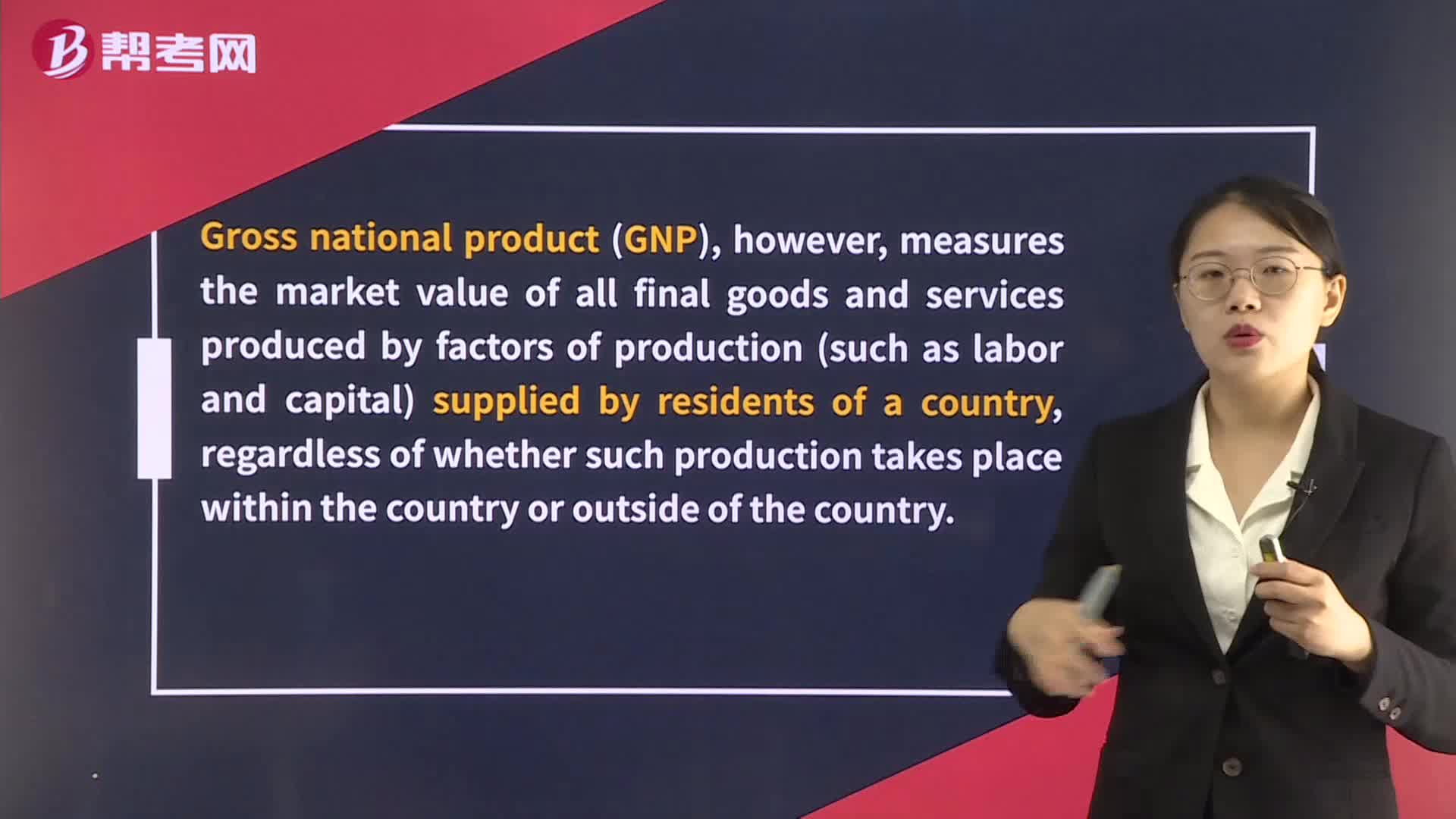
87GDP and GNP:quarter.,Gross,outside of the country.
 201
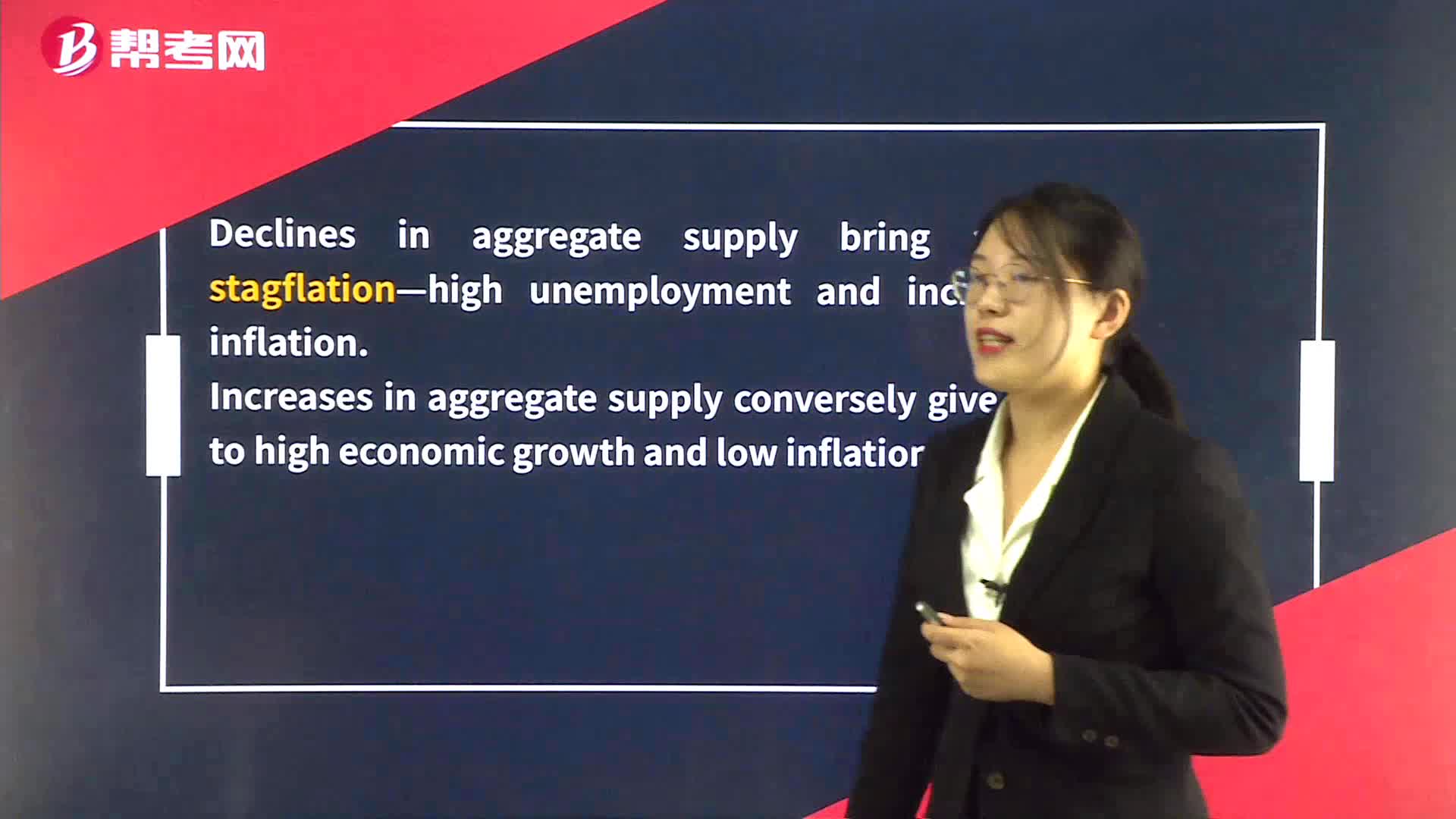
201Equilibrium GDP and Prices – Stagflation:and energy lead to a decrease in AS;increasing investment in commodities or commodity-based companies.

微信掃碼關(guān)注公眾號(hào)
獲取更多考試熱門資料