當(dāng)前位置: 首頁普通研究生入學(xué)考試英語模擬試題正文

下載億題庫APP
聯(lián)系電話:400-660-1360
下載億題庫APP
聯(lián)系電話:400-660-1360
請謹(jǐn)慎保管和記憶你的密碼,以免泄露和丟失
請謹(jǐn)慎保管和記憶你的密碼,以免泄露和丟失

2021年考研初試備考還有最后的近兩個(gè)月時(shí)間,相信大家也都在緊張的復(fù)習(xí)當(dāng)中。在復(fù)習(xí)時(shí),多做練習(xí)題可以讓我們更加了解考試內(nèi)容。下面,幫考網(wǎng)為大家?guī)砜佳谐踉嚨囊恍┠M試題,正在備考的小伙伴趕緊練起來吧。
Habits are a funny thing. We reach for them mindlessly, setting our brains on auto-pilot and relaxing into the unconscious comfort of familiar routine. “Not choice, but habit rules the unreflecting herd,” William Wordsworth said in the 19th century. In the ever-changing 21st century, even the word “habit” carries a negative connotation.
So it seems paradoxical to talk about habits in the same context as creativity and innovation. But brain researchers have discovered that when we consciously develop new habits, we can even create entirely new brain cells that can jump our trains of thought onto new, innovative tracks. 1_____________________________
All of us work through problems in ways of which we\'re unaware, says Dawna Markova, author of “The Open Mind”. Researchers in the late 1960s discovered that humans are born with the capacity to approach challenges in four primary ways: analytically, procedurally, relationally (or collaboratively) and innovatively. 2________________________
The current emphasis on standardized testing highlights analysis and procedure, meaning that few of us inherently use our innovative and collaborative modes of thought. 3__________________ This emphasis clearly leads to ordinary performance. On the contrary, knowing what you\'re good at and doing even more of it creates excellence.
4________________________ Figure out what has worked for you when you\'ve learned in the past, and you can draw your own map for developing additional skills and behaviors for the future. Ms. Ryan says, “If you have a pathway to learning, use it because that\'s going to be easier than creating an entirely new pathway in your brain.”
Ms. Ryan and Ms. Markova have found what they call three zones of existence: comfort, stretch and stress. Comfort is the realm of existing habit. Stress occurs when a challenge is so far beyond current experience as to be overwhelming. It\'s that stretch zone in the middle — activities that feel a bit awkward and unfamiliar — where true change occurs.
Getting into the stretch zone is good for you, according to Ms. Ryan. It helps keep your brain healthy. It turns out that unless we continue to learn new things, which challenges our brains to create new pathways, they literally begin to weaken, which may result in brain diseases. She recommends practicing a technique called kaizen, which calls for tiny, continuous improvements.
5__________________________ That can be fatal in business, particularly for executives who surround themselves with like-thinkers. If seniority and promotion are based on similarity to those at the top, chances are strong that the company lacks intellectual diversity.
[A] This is where developing new habits comes in. If you\'re an analytical or procedural thinker, you learn in different ways than someone who is inherently innovative or collaborative.
[B] Rather than dismissing ourselves as unchangeable creatures of habit, we can instead direct our own change by consciously developing new habits. In fact, the more new things we try — the more we step outside our comfort zone — the more inherently creative we become, both in the workplace and in our personal lives.
[C] After the confusion, the brain begins organizing the new input, ultimately creating new synaptic connections if the process is repeated enough.
[D] “This breaks the major rule in the American belief system — that anyone can do anything,” explains M. J. Ryan, author of the 2006 book “This Year I Will...”
[E] But if, during creation of that new habit, the “Great Decider” steps in to protest against taking the unfamiliar path, people may keep doing the same thing over and over again.
[F] At teenage years, however, the brain shuts down half of that capacity, preserving only those modes of thought that have seemed most valuable during the first decade or so of life.
[G] Simultaneously, take a look at how colleagues approach challenges, Ms. Markova suggests. We tend to believe that those who think the way we do are smarter than those who don\'t.
【參考答案】 1. B 2. F 3. D 4. A 5. G
以上就是幫考網(wǎng)為大家?guī)淼娜績?nèi)容,希望能給大家一些幫助。幫考網(wǎng)提醒:目前2021年考研大綱已經(jīng)公布,小伙伴們在復(fù)習(xí)時(shí)要注意以大綱為準(zhǔn)哦。另外,小伙伴們?nèi)绻€有其他關(guān)于考研信息的疑問,也可以留言咨詢哦。
 44
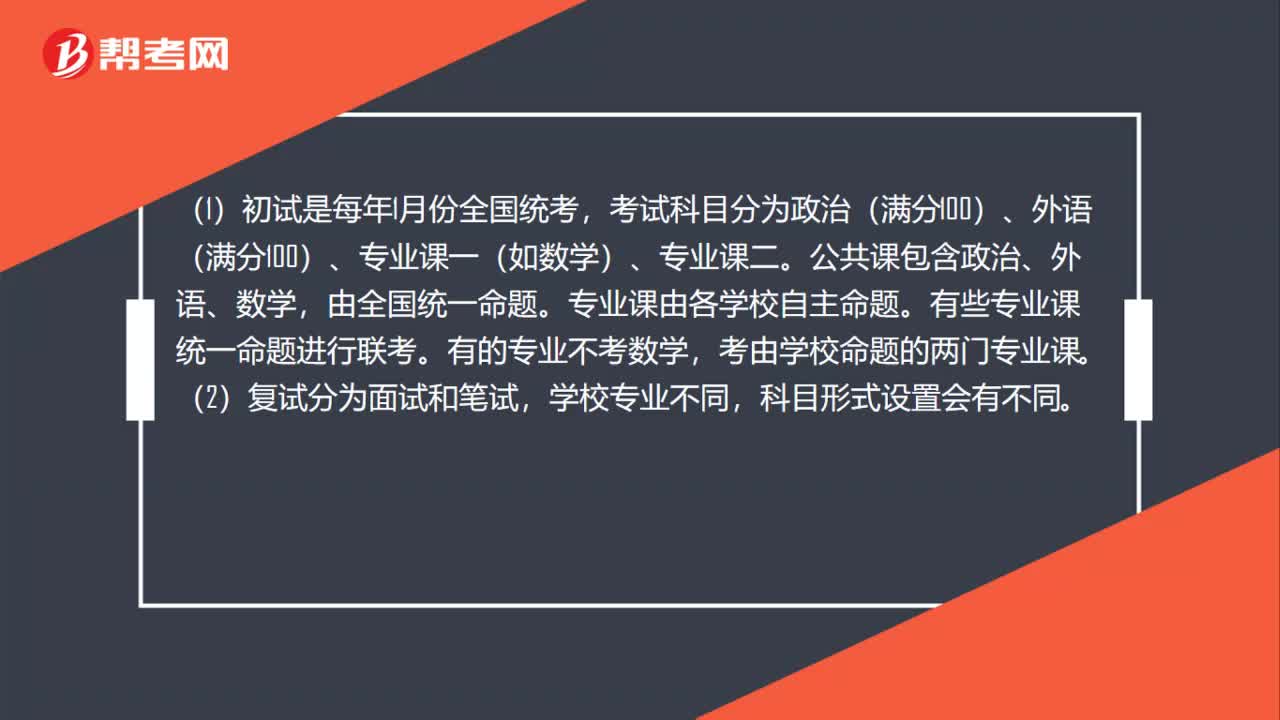
44研究生入學(xué)考試要考哪幾門?:研究生入學(xué)考試要考哪幾門?(1)初試是每年1月份全國統(tǒng)考,考試科目分為政治(滿分100)、外語(滿分100)、專業(yè)課一(如數(shù)學(xué))、專業(yè)課二。公共課包含政治、外語、數(shù)學(xué),由全國統(tǒng)一命題。專業(yè)課由各學(xué)校自主命題。有些專業(yè)課統(tǒng)一命題進(jìn)行聯(lián)考。有的專業(yè)不考數(shù)學(xué),考由學(xué)校命題的兩門專業(yè)課。(2)復(fù)試分為面試和筆試,學(xué)校專業(yè)不同,科目形式設(shè)置會(huì)有不同。
 49
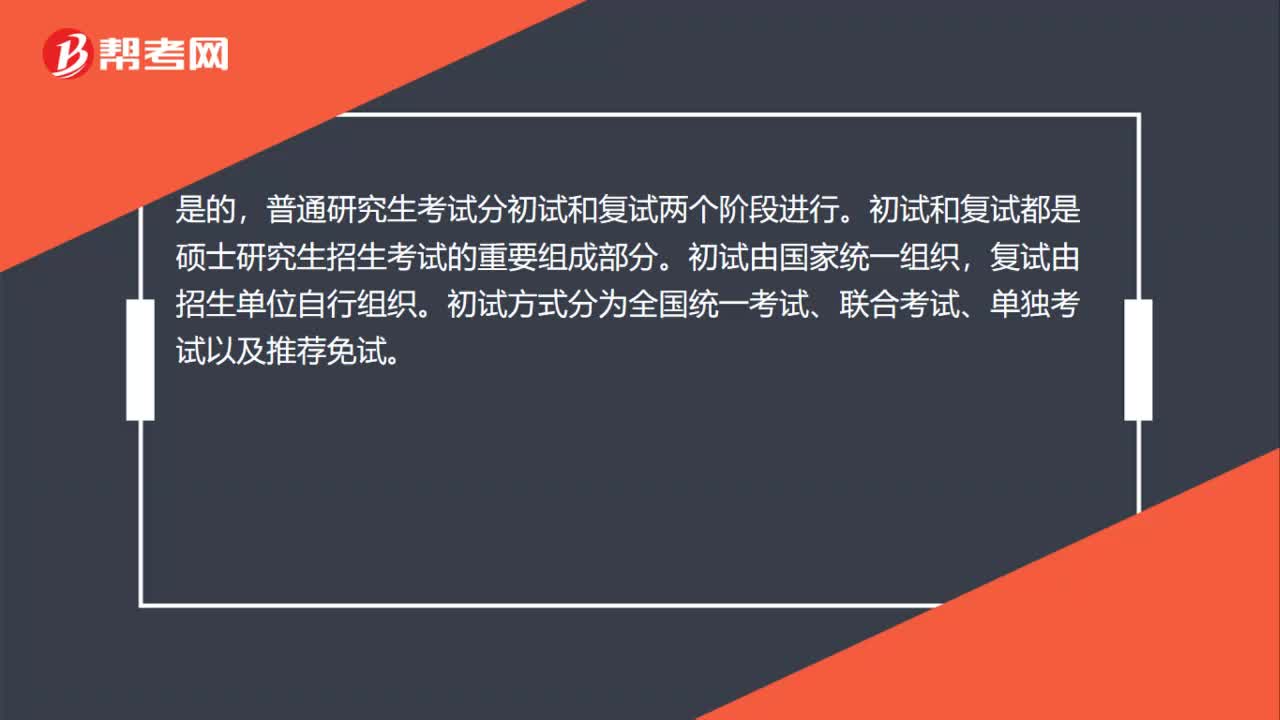
49普通研究生入學(xué)考試同一專業(yè)的初試是全國統(tǒng)一的嗎?:普通研究生入學(xué)考試同一專業(yè)的初試是全國統(tǒng)一的嗎?是的,普通研究生考試分初試和復(fù)試兩個(gè)階段進(jìn)行。初試和復(fù)試都是碩士研究生招生考試的重要組成部分。初試由國家統(tǒng)一組織,復(fù)試由招生單位自行組織。初試方式分為全國統(tǒng)一考試、聯(lián)合考試、單獨(dú)考試以及推薦免試。全國統(tǒng)一命題科目及招生單位自命題科目試題(包括副題)、參考答案、評分參考等應(yīng)當(dāng)按照教育工作國家秘密范圍的有關(guān)規(guī)定嚴(yán)格管理。
 23
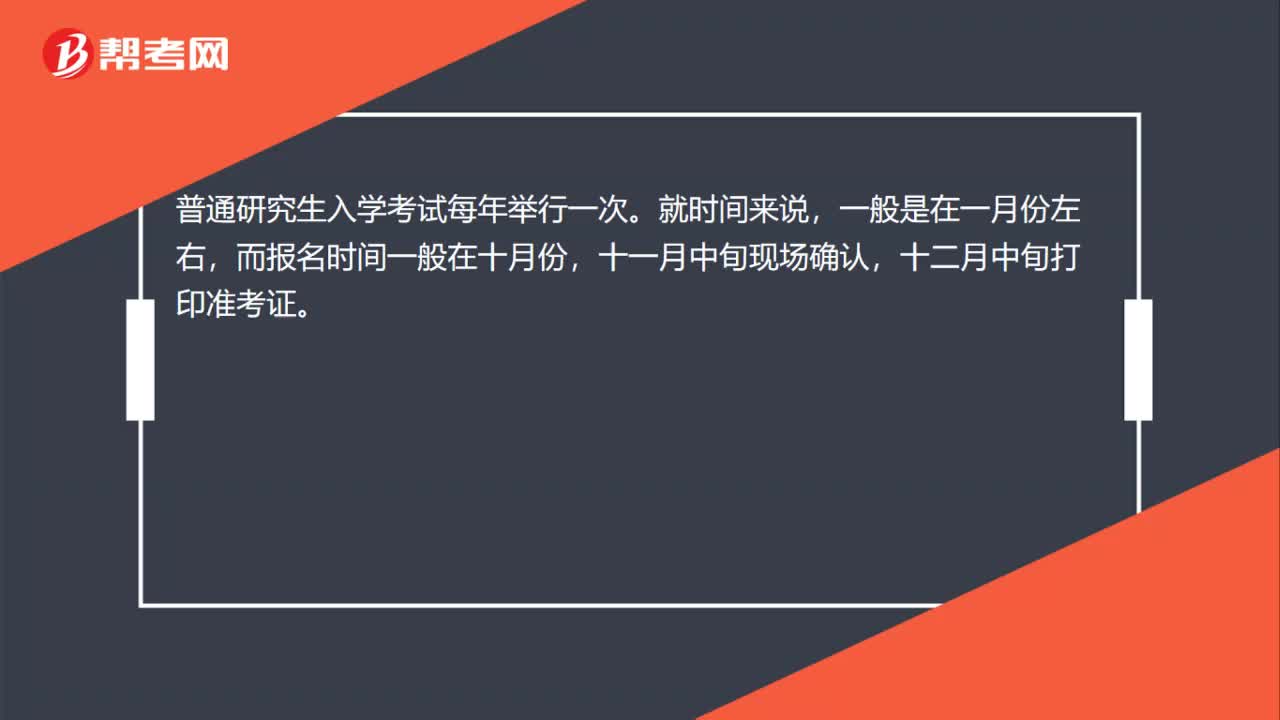
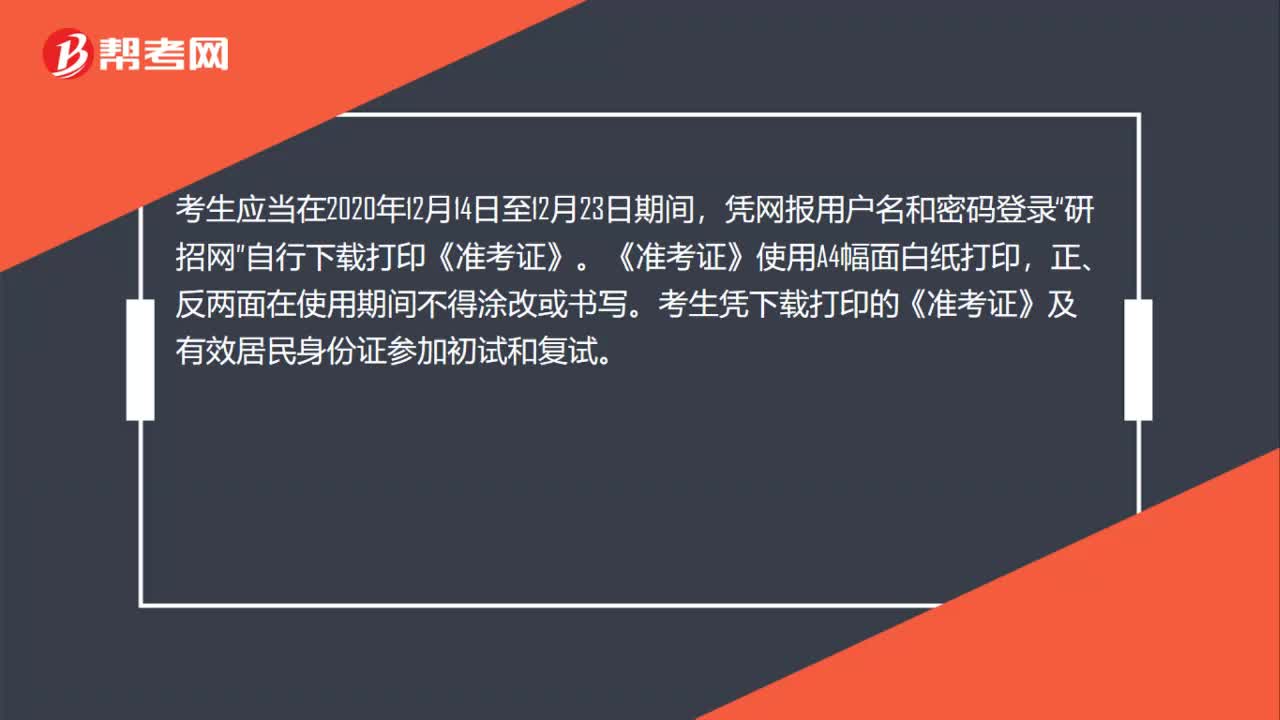
23普通研究生入學(xué)考試每年有幾次?:普通研究生入學(xué)考試每年有幾次?普通研究生入學(xué)考試每年舉行一次。就時(shí)間來說,一般是在一月份左右,而報(bào)名時(shí)間一般在十月份,十一月中旬現(xiàn)場確認(rèn),十二月中旬打印準(zhǔn)考證。
 00:4100:44
2020-06-06
 00:28
00:282020-06-06
 00:27
00:272020-06-06
 00:33
00:332020-06-06

微信掃碼關(guān)注公眾號(hào)
獲取更多考試熱門資料