下載億題庫APP
聯(lián)系電話:400-660-1360
下載億題庫APP
聯(lián)系電話:400-660-1360

請(qǐng)謹(jǐn)慎保管和記憶你的密碼,以免泄露和丟失
請(qǐng)謹(jǐn)慎保管和記憶你的密碼,以免泄露和丟失
小伙伴們,雅思考試大家復(fù)習(xí)的怎么樣了呢?下面是幫考網(wǎng)分享的雅思考試閱讀部分的練習(xí)題,一起來看看吧!
雅思閱讀練習(xí)及答案:
Felicity Lawrence
Thursday December 28, 2006
The Guardian
1. Consumers are to be presented with two rivalnew year advertising campaigns as the FoodStandards Agency goes public in its battle with theindustry over the labelling of unhealthy foods.
2. The Guardian has learned that the FSA willlaunch a series of 10-second television adverts inJanuary telling shoppers how to follow a red, amber and green traffic light labelling system onthe front of food packs, which is designed to tackle Britain’s obesity epidemic.
3. The campaign is a direct response to a concerted attempt by leading foodmanufacturers and retailers, including Kellogg’s and Tesco, to derail the system. The industryfears that traffic lights would demonise entire categories of foods and could seriously damagethe market for those that are fatty, salty or high in sugar.
4. The UK market for breakfast cereals is worth £1.27bn a year and the manufacturers fearit will be severely dented if red light labels are put on packaging drawing attention to the factthat the majority are high in salt and/or sugar.
5. The industry is planning a major marketing campaign for a competing labelling systemwhich avoids colour-coding in favour of information about the percentage of "guideline dailyamounts" (GDAs) of fat, salt and sugar contained in their products.
6. The battle for the nation’s diet comes as new rules on television advertising come intoforce in January which will bar adverts for unhealthy foods from commercial breaks duringprogrammes aimed at children. Sources at the TV regulators are braced for a legal challengefrom the industry and have described the lobbying efforts to block any new ad ban or colour-coded labelling as "the most ferocious we’ve ever experienced".
7. Ofcom’s chief executive, Ed Richards, said: "We are prepared to face up to any legalaction from the industry, but we very much hope it will not be necessary." The FSA said it wasexpecting an onslaught from the industry in January. Senior FSA officials said themanufacturers’ efforts to undermine its proposals on labelling could threaten the agency’scredibility.
8. Terrence Collis, FSA director of communications, dismissed claims that the proposalswere not based on science. "We have some of the most respected scientists in Europe, bothwithin the FSA and in our independent advisory committees. It is unjustified and nonsensicalto attack the FSA’s scientific reputation and to try to undermine its credibility."
9. The FSA is understood to have briefed its ad agency, United, before Christmas, and willaim to air ads that are "non-confrontational, humorous and factual" as a counterweight toindustry’s efforts about the same time. The agency, however, will have a tiny fraction of thebudget available to the industry.
10. Gavin Neath, chairman of Unilever UK and president of the Food and Drink Federation,has said that the industry has made enormous progress but could not accept red "stop" signson its food.
11. Alastair Sykes, chief executive of Nestlé UK, said that under the FSA proposals all hiscompany’s confectionery and most of its cereals would score a red. "Are we saying peopleshouldn’t eat confectionery? We’re driven by consumers and what they want, and much of whatwe do has been to make our products healthier," he said.
12. Chris Wermann, director of communications at Kellogg’s, said: "In principle we couldnever accept traffic light labelling."
13. The rival labelling scheme introduced by Kellogg’s, Danone, Unilever, Nestlé, Kraft andTesco and now favoured by 21 manufacturers, uses an industry-devised system based onidentifying GDAs of key nutrients. Tesco says it has tested both traffic lights and GDA labels inits stores and that the latter increased sales of healthier foods.
14. But the FSA said it could not live with this GDA system alone because it was "notscientific" or easy for shoppers to understand at a glance.
好了,以上就是今天分享的全部內(nèi)容了,各位小伙伴根據(jù)自己的情況進(jìn)行查閱,希望本文對(duì)各位有所幫助,預(yù)祝各位取得滿意的成績,如需了解更多相關(guān)內(nèi)容,請(qǐng)關(guān)注幫考網(wǎng)!
 36
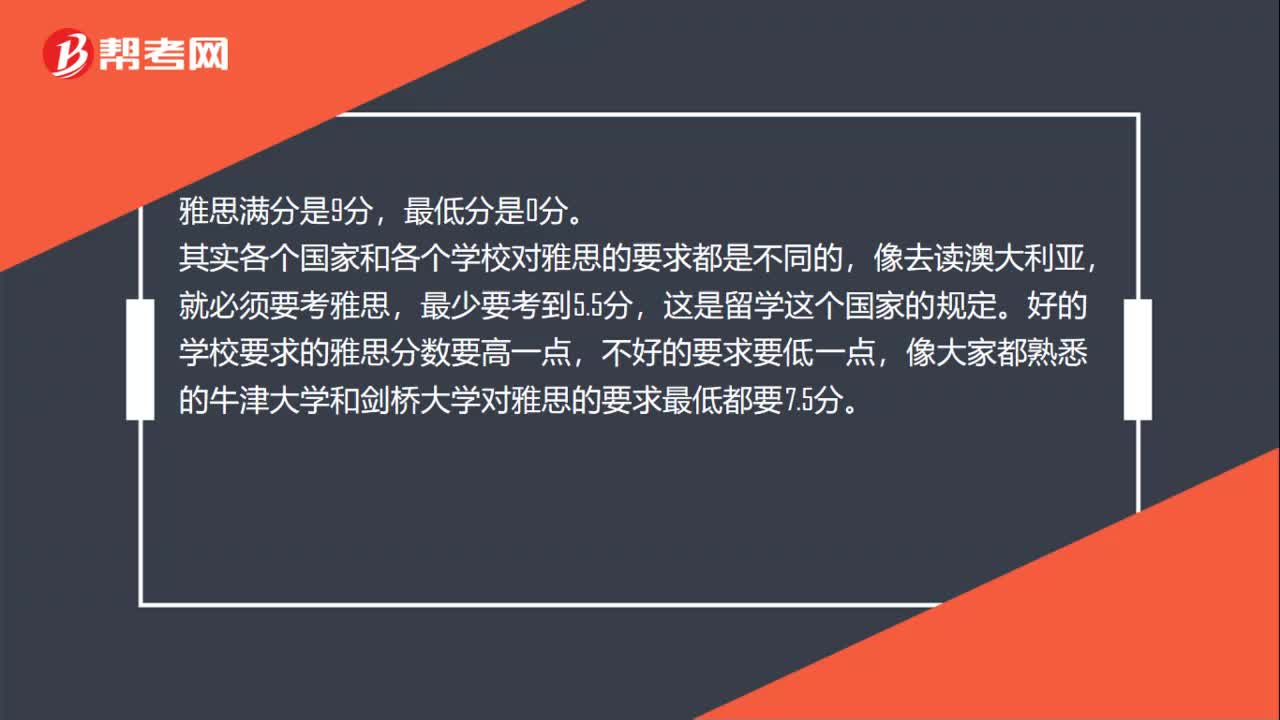
36雅思考試總分是多少?:雅思考試總分是多少?雅思滿分是9分,最低分是0分。其實(shí)各個(gè)國家和各個(gè)學(xué)校對(duì)雅思的要求都是不同的,像去讀澳大利亞,就必須要考雅思,最少要考到5.5分,這是留學(xué)這個(gè)國家的規(guī)定。好的學(xué)校要求的雅思分?jǐn)?shù)要高一點(diǎn),不好的要求要低一點(diǎn),像大家都熟悉的牛津大學(xué)和劍橋大學(xué)對(duì)雅思的要求最低都要7.5分。
 21
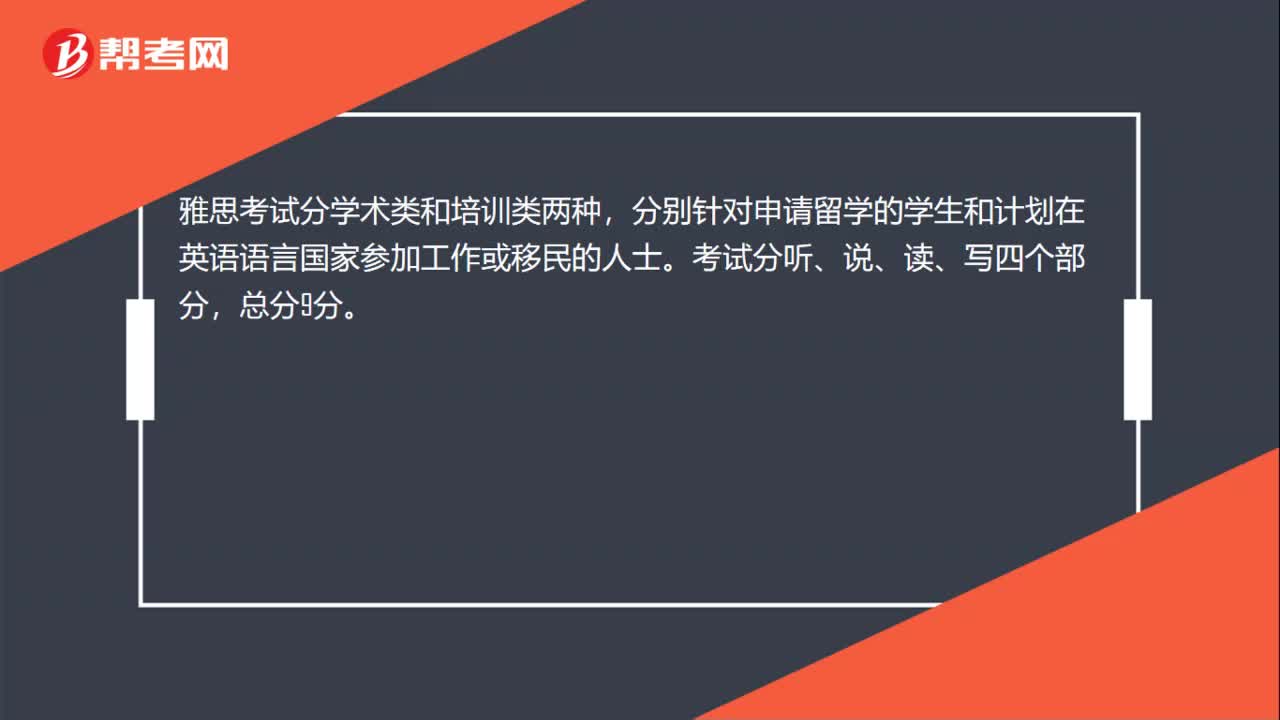
21雅思考試有幾種類型?:雅思考試有幾種類型?雅思考試分學(xué)術(shù)類和培訓(xùn)類兩種,分別針對(duì)申請(qǐng)留學(xué)的學(xué)生和計(jì)劃在英語語言國家參加工作或移民的人士。考試分聽、說、讀、寫四個(gè)部分,總分9分。
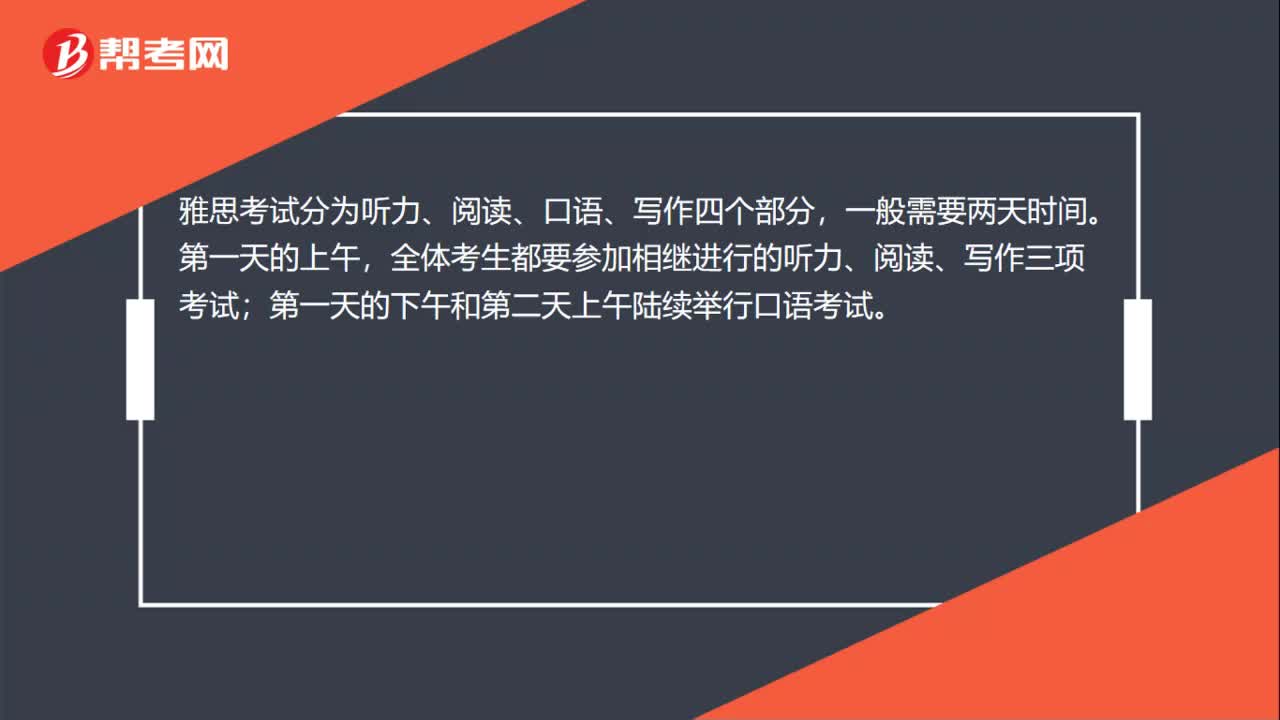 26
26雅思考試內(nèi)容有哪些?:雅思考試內(nèi)容有哪些?雅思考試分為聽力、閱讀、口語、寫作四個(gè)部分,一般需要兩天時(shí)間。第一天的上午,全體考生都要參加相繼進(jìn)行的聽力、閱讀、寫作三項(xiàng)考試;第一天的下午和第二天上午陸續(xù)舉行口語考試。
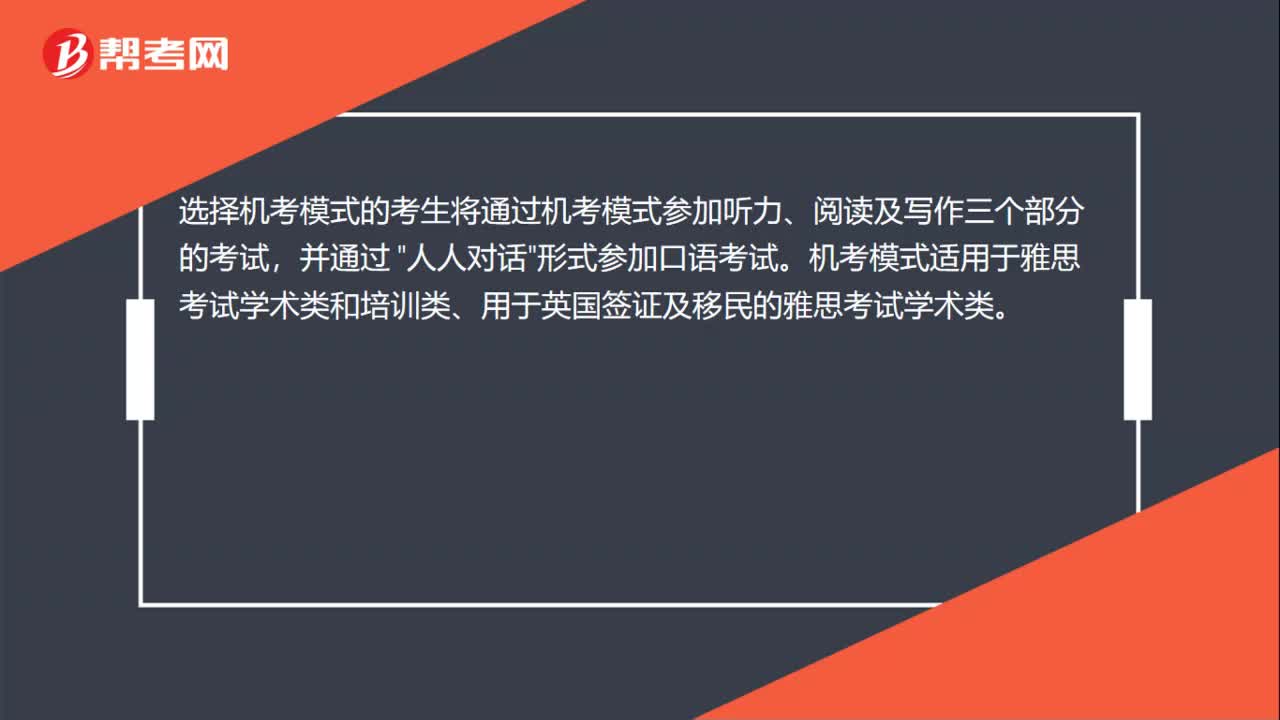 01:24
01:242020-06-01
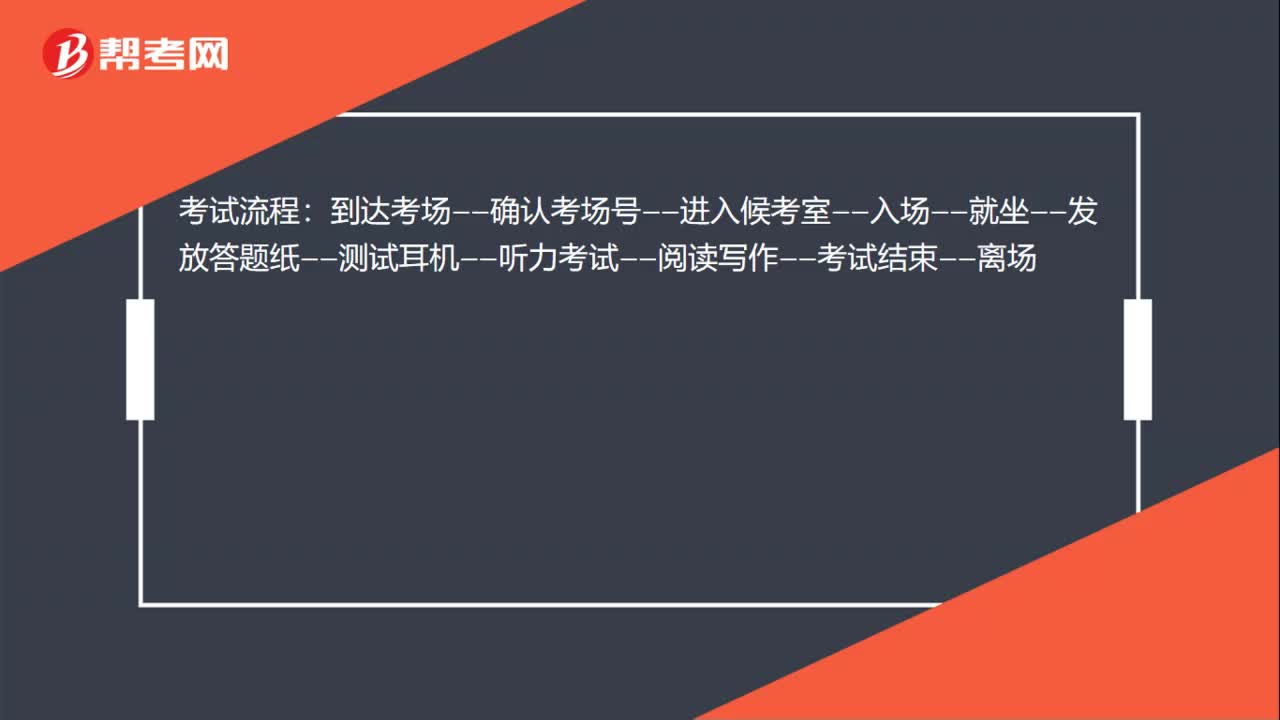 01:16
01:162020-06-01
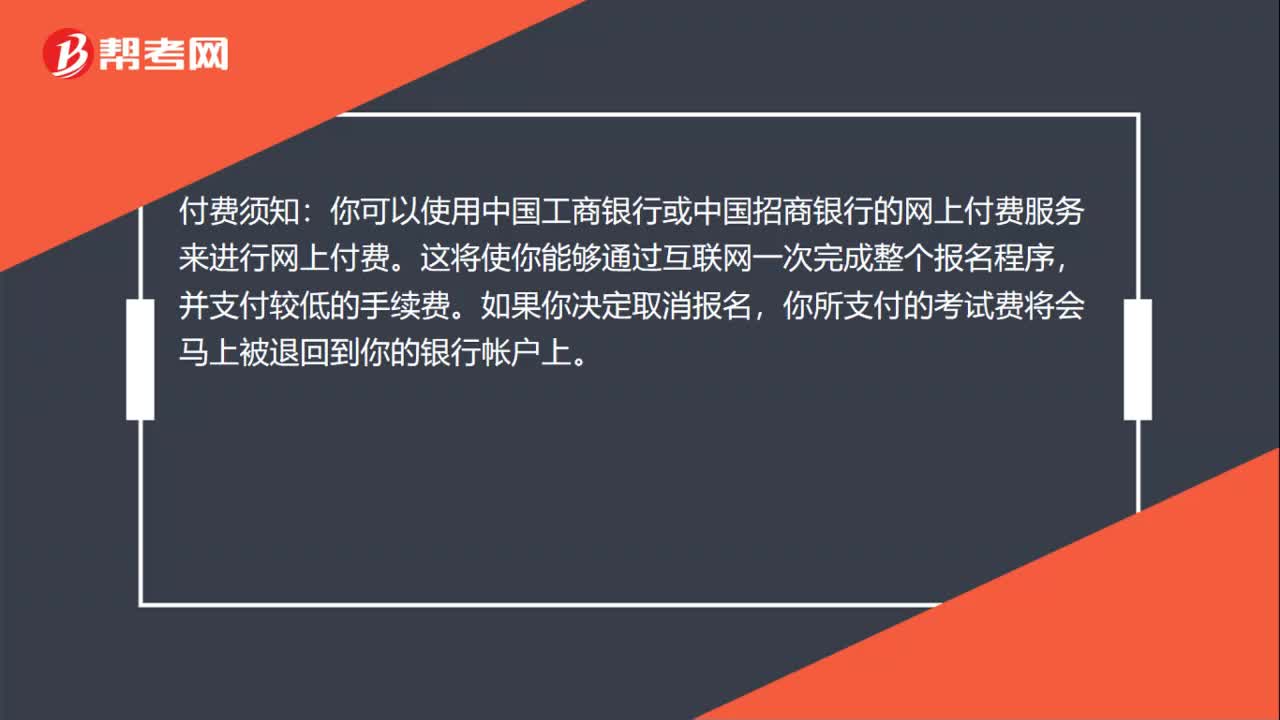 02:06
02:062020-06-01
 01:06
01:062020-06-01

微信掃碼關(guān)注公眾號(hào)
獲取更多考試熱門資料