Fiscal Policy
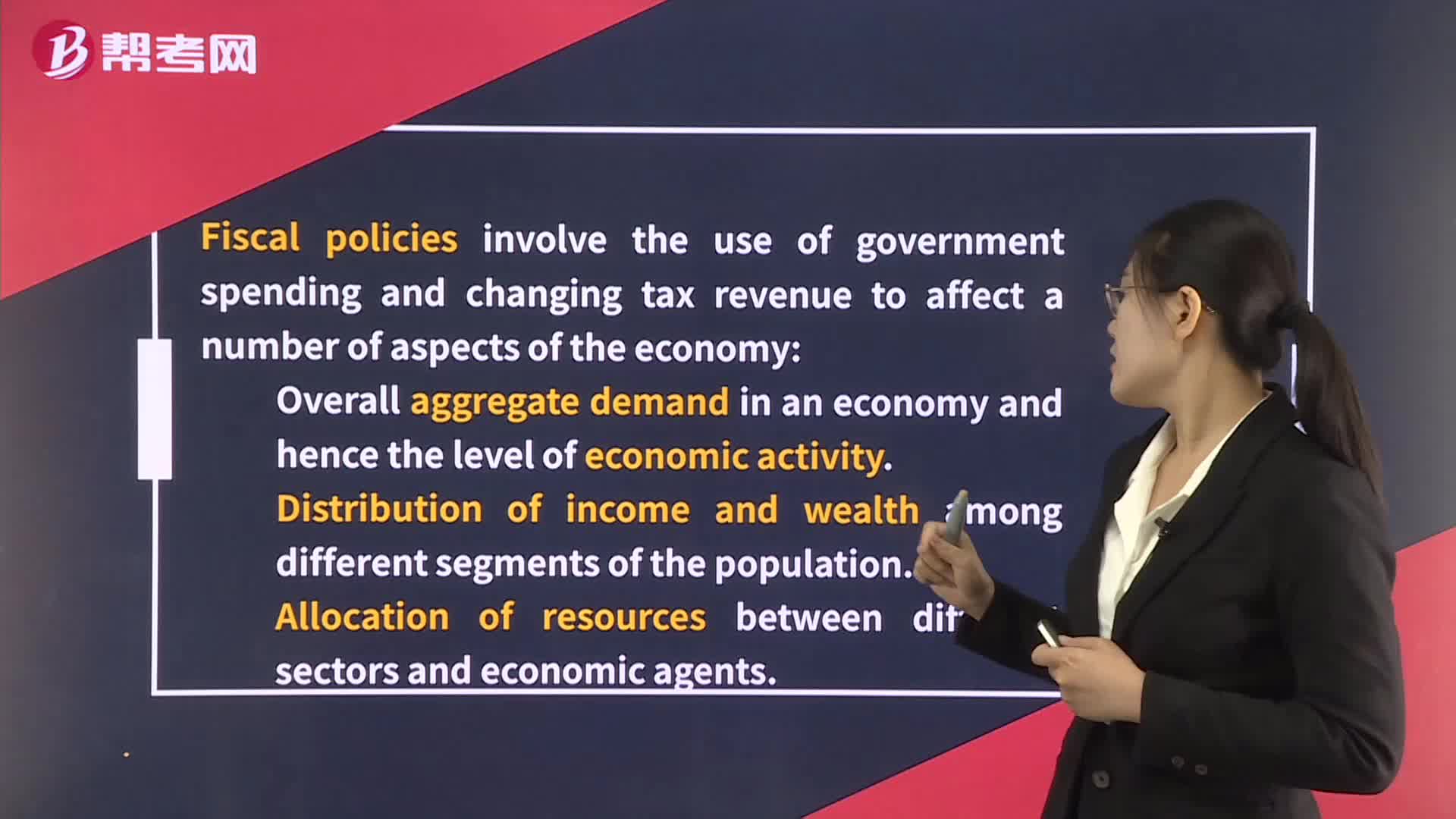
Fiscal policy refers to the use of government spending and taxation to influence the economy. It is one of the two main tools of macroeconomic policy, the other being monetary policy.
The main goal of fiscal policy is to stabilize the economy by influencing aggregate demand, which is the total demand for goods and services in the economy. When the economy is in a recession, the government can increase spending or cut taxes to increase aggregate demand and stimulate economic growth. Conversely, when the economy is overheating and inflation is a concern, the government can reduce spending or increase taxes to decrease aggregate demand and slow down the economy.
Fiscal policy can be implemented through various measures, including:
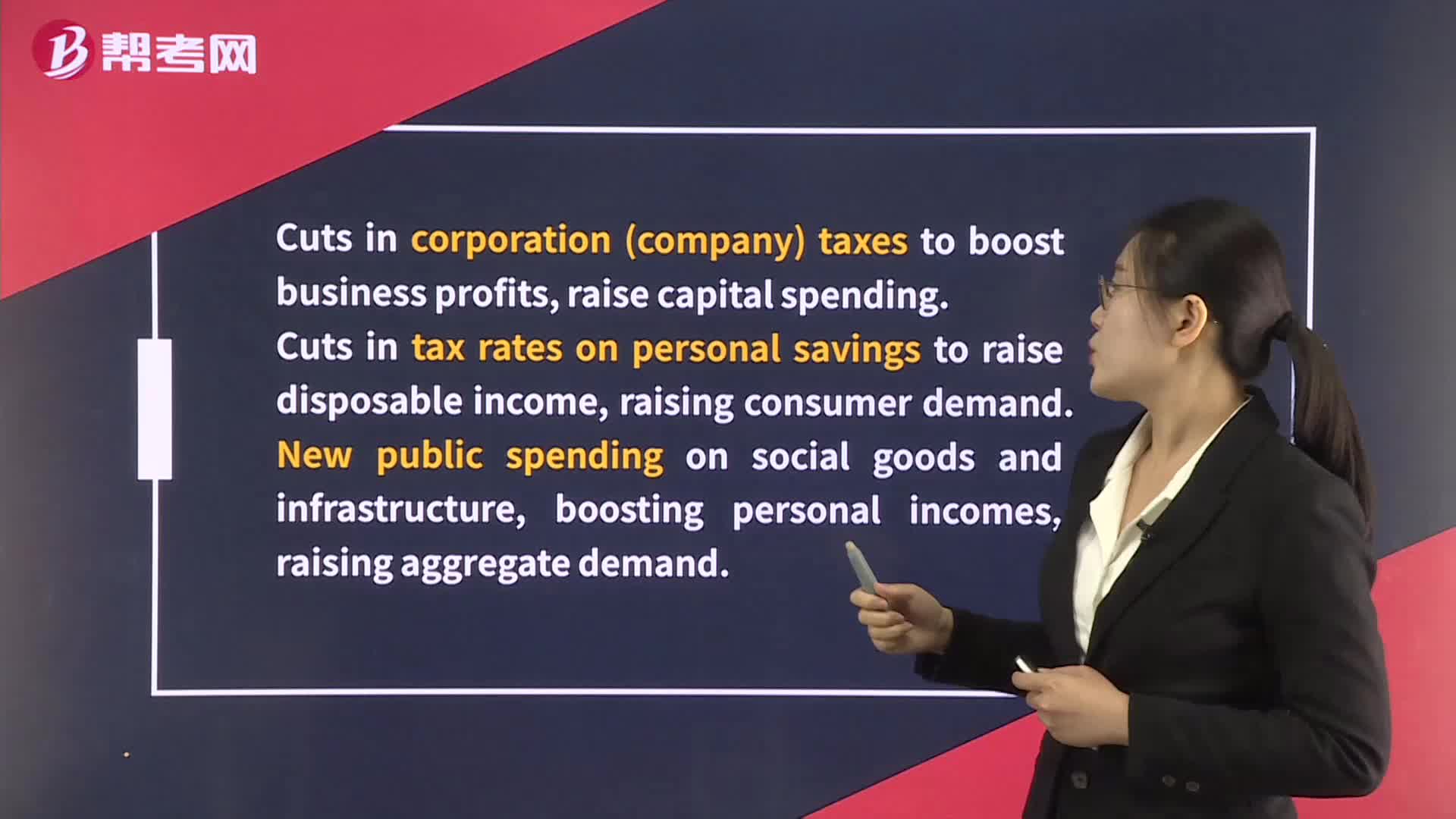
1. Government spending: The government can increase spending on infrastructure, education, healthcare, and other programs to stimulate economic growth.
2. Taxation: The government can cut taxes to increase disposable income and encourage consumer spending, or increase taxes to reduce spending and curb inflation.
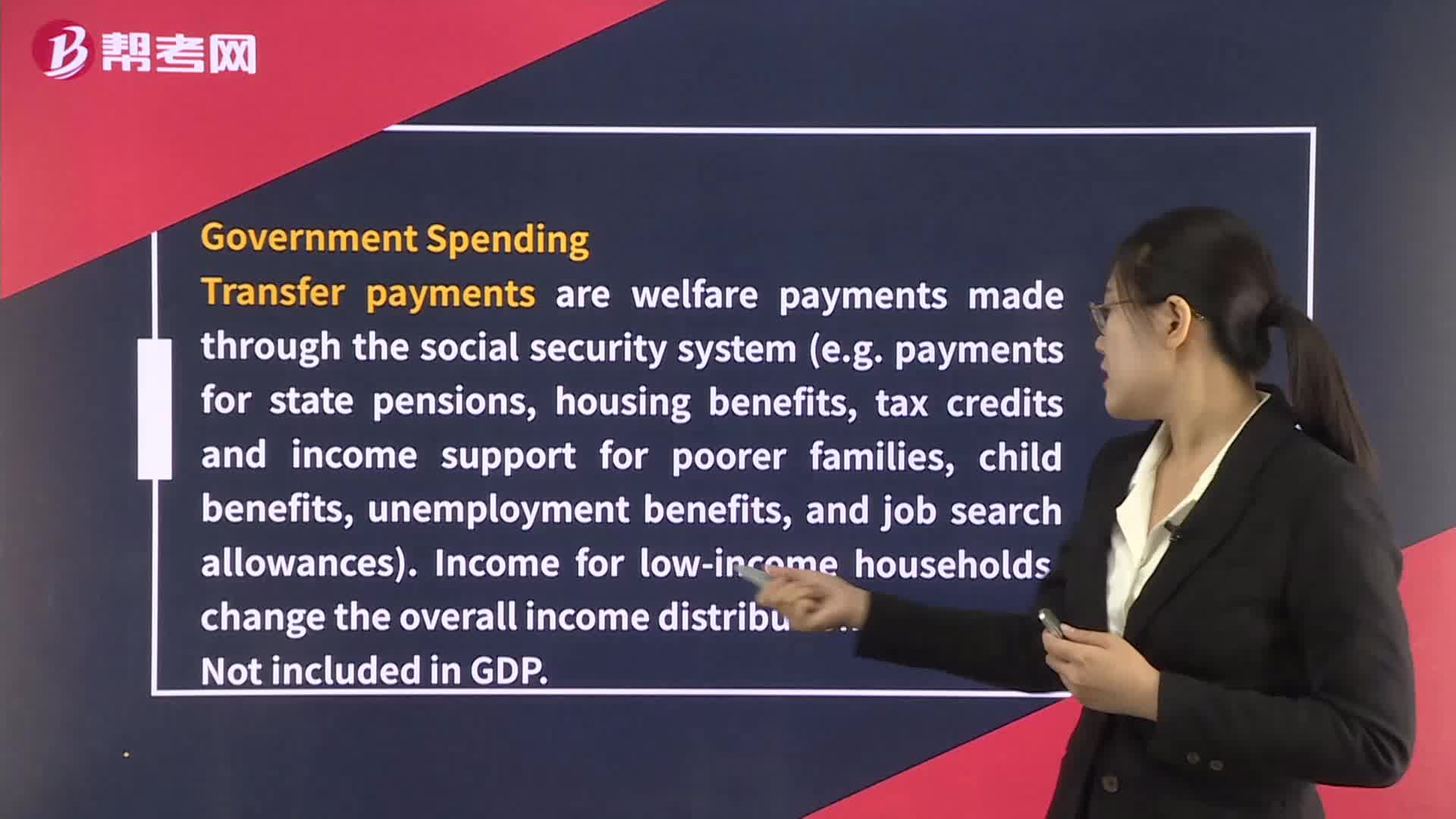
3. Transfer payments: The government can provide transfer payments, such as unemployment benefits or social security, to support individuals and families during economic downturns.
Fiscal policy can have both positive and negative effects on the economy. While it can help stabilize the economy during a recession or inflationary period, it can also lead to budget deficits and debt if not managed properly.
 幫考網校
幫考網校