
下載億題庫APP
聯(lián)系電話:400-660-1360
下載億題庫APP
聯(lián)系電話:400-660-1360

請謹慎保管和記憶你的密碼,以免泄露和丟失
請謹慎保管和記憶你的密碼,以免泄露和丟失
Deflation, Hyperinflation, and Disinflation
Deflation: A sustained decrease in aggregate price level, which corresponds to a negative inflation rate—that is, an inflation rate of less than 0%.
微信截圖_159659930840720200805114937473.png)
Hyperinflation: An extremely fast increase in aggregate price level, which corresponds to an extremely high inflation rate—for example, 500% to 1000% per year.
Disinflation: A decline in the inflation rate, such as from around 15% to 20% to 5% or 6%.
During deflation, the value of money actually increases. The liability of a borrower rises in real terms. The revenue of a typical company falls and cuts its spending, investment, and workforce sharply, thus further exacerbate the economic contraction.
The consensus on the preferred inflation rate is around 2% per year for developed economies.
Hyperinflation usually occurs when large scale government spending is not backed by real tax revenue and the monetary authority increases the money supply.
Hyperinflation may also be caused by the shortage of supply created during or after a war, economic regime transition, or prolonged economic distress of an economy caused by political instability.
During hyperinflation, people are eager to change their cash into real goods. The government also has to print more money.
As more cash chases a limited supply of goods and services, the rate of price increases accelerates.
 486
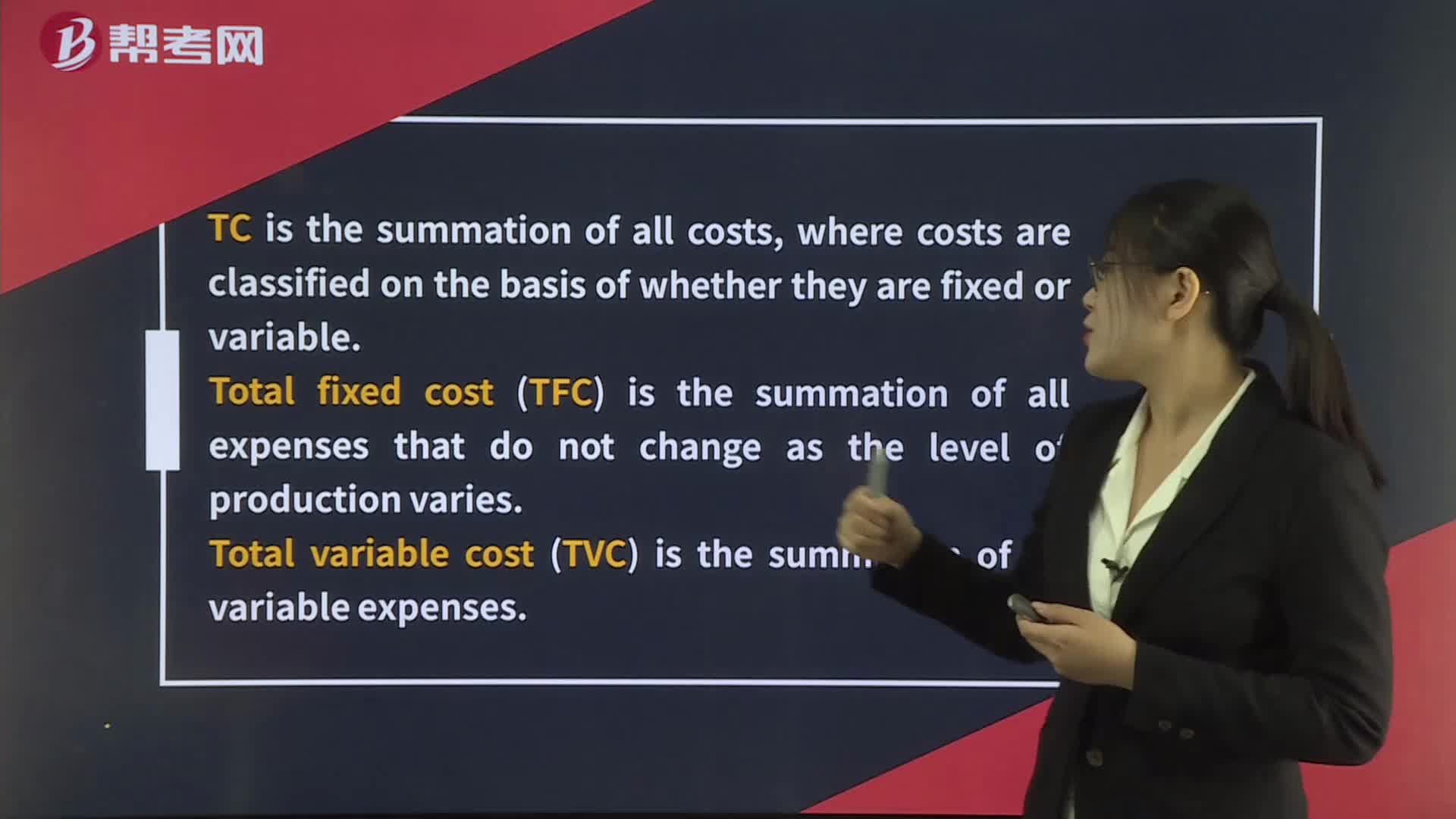
486Total, Variable, Fixed, and Marginal Cost and Output:Variable,Fixed,Output:is the summation of all expenses that do not change as the level of production:varies.Total[Practice
 146
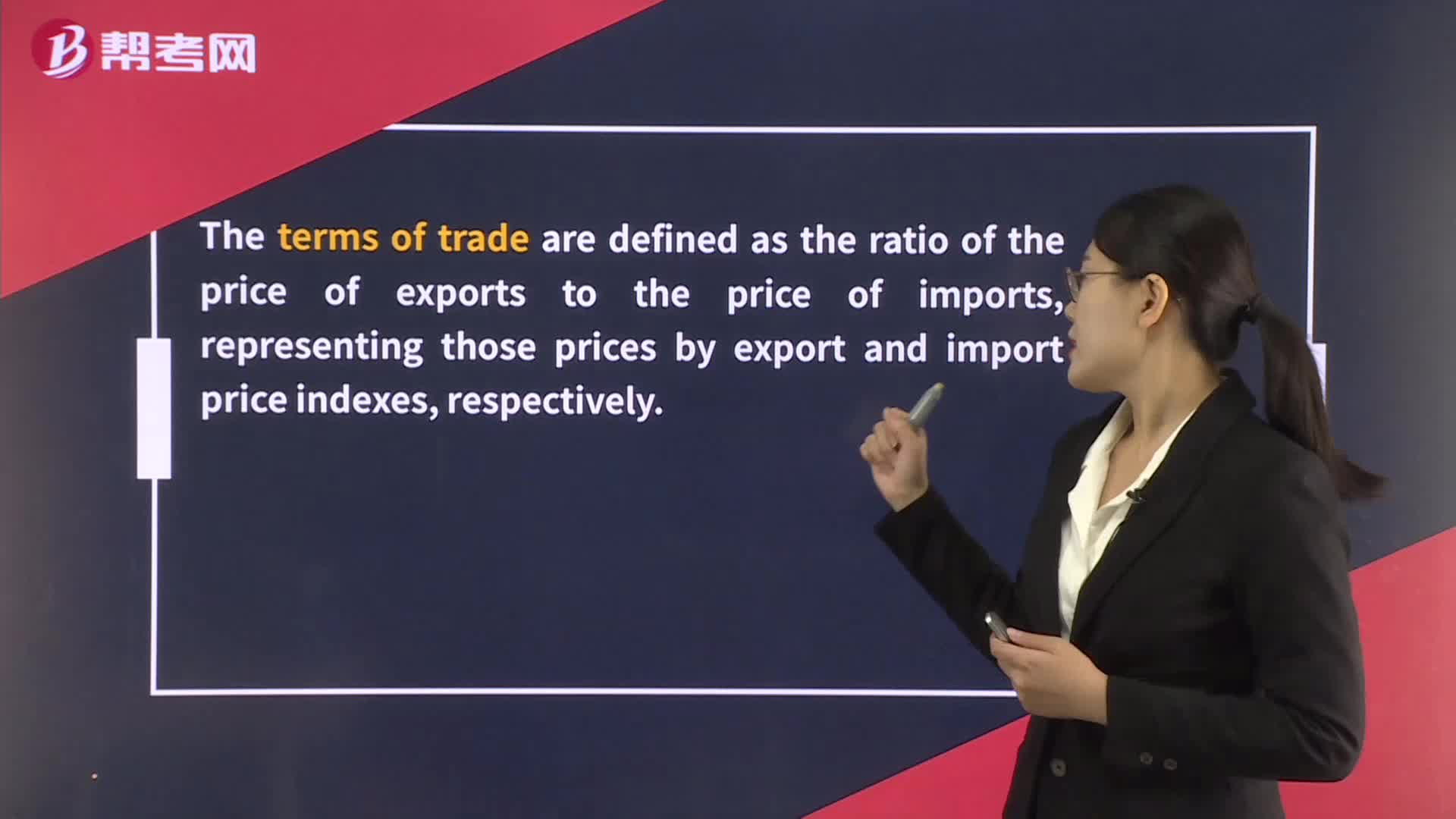
146Imports and Exports:Nettrade deficit.
 87
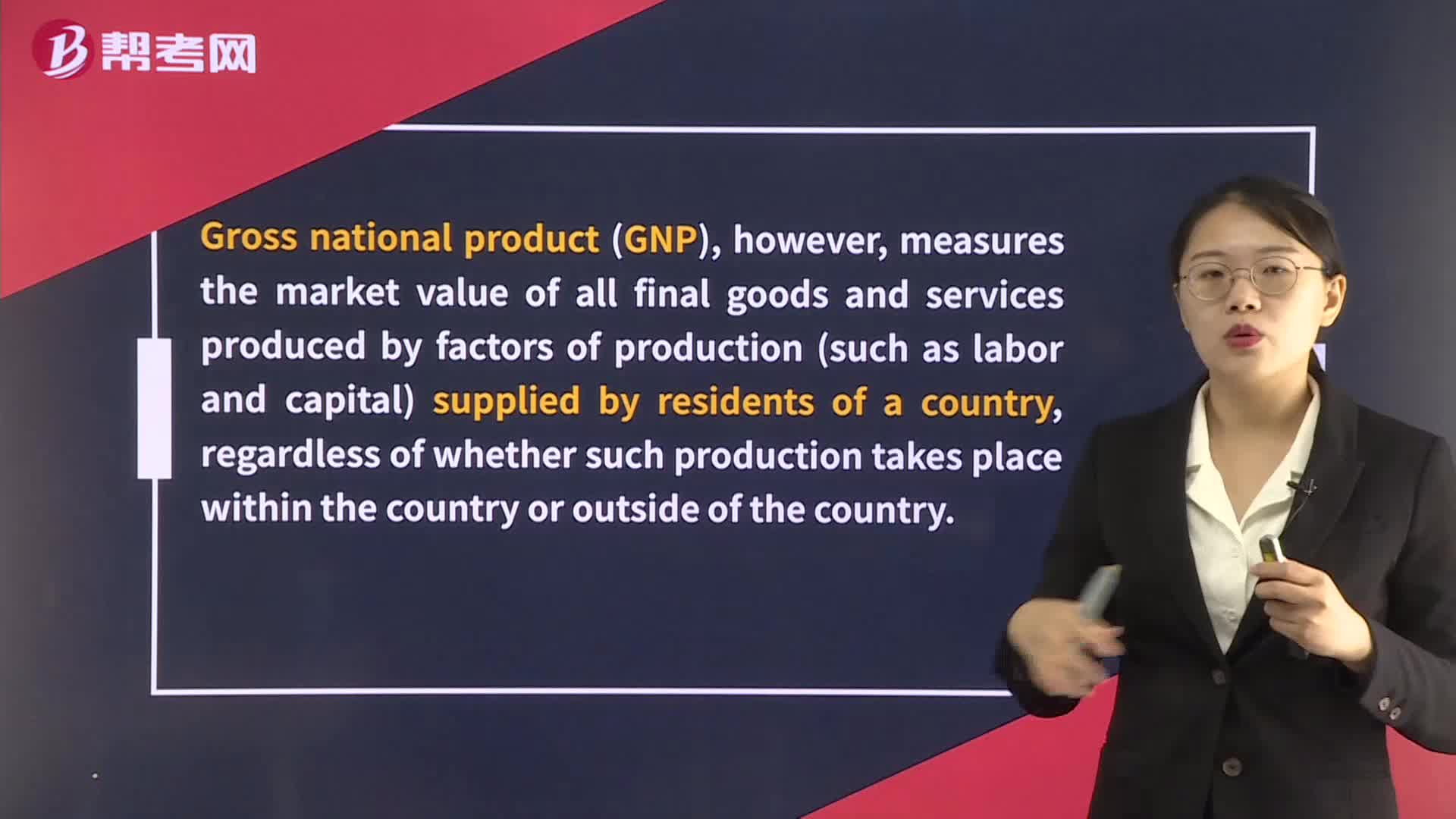
87GDP and GNP:quarter.,Gross,outside of the country.

微信掃碼關(guān)注公眾號
獲取更多考試熱門資料