
下載億題庫APP
聯(lián)系電話:400-660-1360
下載億題庫APP
聯(lián)系電話:400-660-1360

請謹慎保管和記憶你的密碼,以免泄露和丟失
請謹慎保管和記憶你的密碼,以免泄露和丟失

關于2020年的MPA考試,幫考網(wǎng)為大家準備了在職MPA聯(lián)考英語閱讀專項練習及答案,下面一起來看看吧!幫考網(wǎng)會一步一步陪你備考,每一次練習的成功,都會淋漓盡致的反映在分數(shù)上。一起加油前行。
Cyberspace (網(wǎng)絡空間) , data superhighways, multimedia for those who have seen the future, the linking of computers, television and telephones will change our lives for ever. Yet for all the talk of a forthcoming technological Utopia (烏托邦) little attention bas been given to the implications of these developments for the poor. As with all new high technology, while the West concerns itself with the "how", the question of "for whom" is put aside once again.
Economists are only now realizing the full extent to which the communications revolution has affected the world economy. Information technology allows the extension of trade across geographical and industrial boundaries, and transnational corporations take full advantage of it. Terms of trade, exchange and interest rates and money movements are more important than the production of goods. The electronic economy made possible by information technology allows the haves to increase their control on global markets with destructive impact on the have-nots.
For them the result is instability. Developing countries which rely on the production of a small range of goods for export are made to feel like small pans in the international economic machine. As "futures"(期貨) are traded on computer screens, developing countries simply have less and less control of their destinies.
So what are the options for regaining control? One alternative is for developing countries to buy in the latest computers and telecommunications themselves—so-called "development communications" modernization. Yet this leads to long-term dependency and perhaps permanent constraints on developing countries\' economies.
Communications technology is generally exported from the U. S., Europe or Japan; the patents, skills and ability to manufacture remain in the hands of a few industrialized countries. It is also expensive, and imported products and services must therefore be bought on credit—credit usually provided by the very countries whose companies stand to gain.
Furthermore, when new technology is introduced there is often too low a level of expertise to exploit it for native development. This means that while local elites, foreign communities and subsidiaries of transnational corporations may benefit, those whose lives depend on access to the information are denied it.
1. From the passage we know that the development of high technology is in the interesls of .
A. the rich countries
B. scientific development
C. the elite
D. the world economy
2. It can be inferred from the passage that .
A. international trade should be expanded
B. the interests of the poor countries have not been given enough consideration
C. the exports of the poor countries should be increased
D. communications technology in the developing countries should be modernized
3. Why does the author say that the electronic economy may have a destructive impact on developing countries?
A. Because it enables the developed countries to control the international market.
B. Because it destroys the economic balance of the poor countries.
C. Because it violates the national boundaries of the poor countries.
D. Because it inhibits the industrial growth of developing countries.
4. The development of modern communications technology in developing countries may .
A. hinder their industrial production
B. cause them to lose control of their trade
C. force them to reduce their share of exports
D. cost them their economic independence
5. The author\'s attitude toward the communications revolution is
A. positive
B. critical
C. indifferent
D. tolerant
參考答案:A B A D B
以上就是本次幫考網(wǎng)和大家分享的全部內(nèi)容了,希望小伙伴們能夠繼續(xù)努力,相信最后一定會取得好成績的。關注幫考網(wǎng),還有更多有關考試練習在等著你哦!
 25
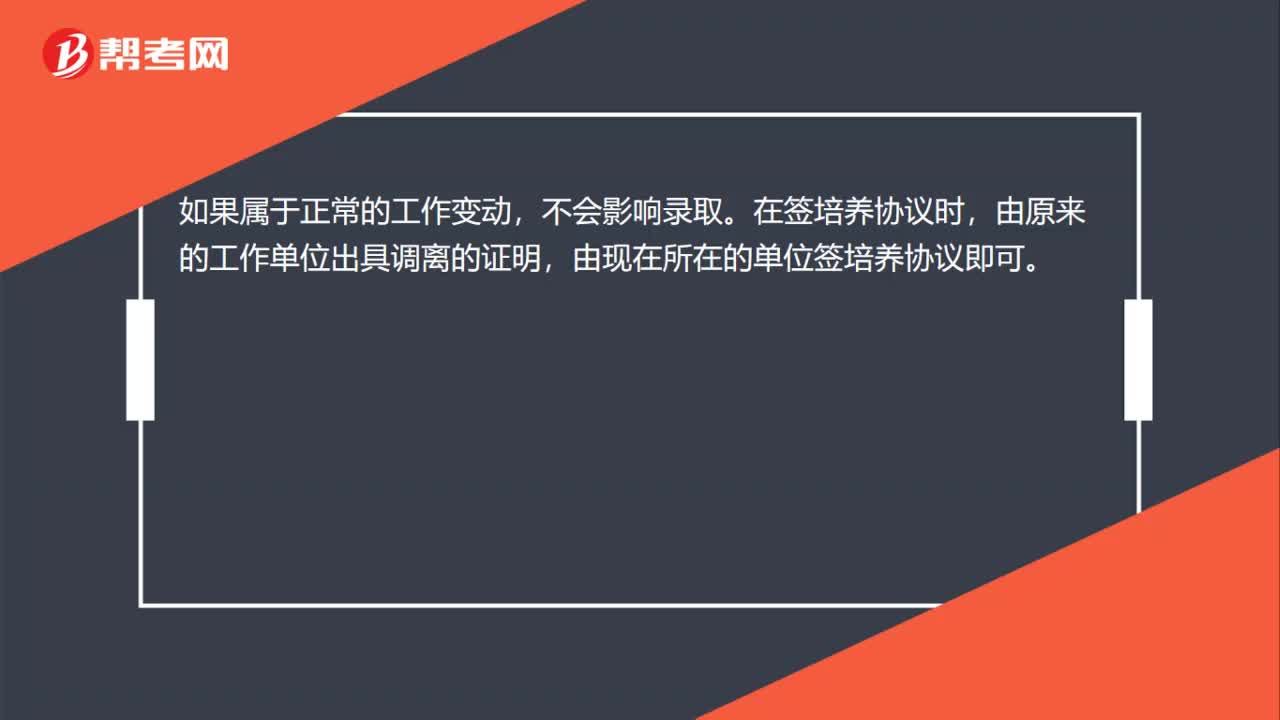
25MPA錄取后是否可更改學習方式?:MPA錄取后是否可更改學習方式?錄取后或入學后可以更改學習方式。錄取后在每年的五月份簽訂培養(yǎng)協(xié)議書時可以更改學習方式(全日制學習或在職學習);入學后如有特殊情況需要變更學習方式,可提交申請,經(jīng)批準后變更學習方式。
 28
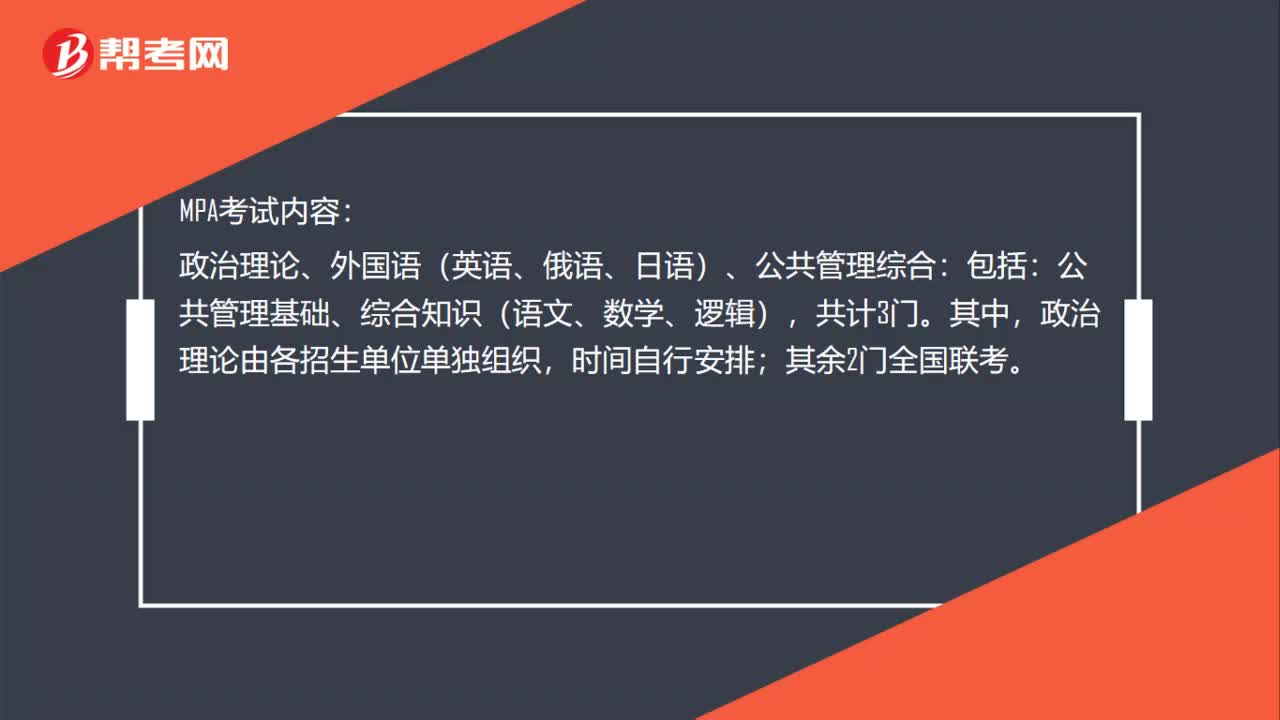
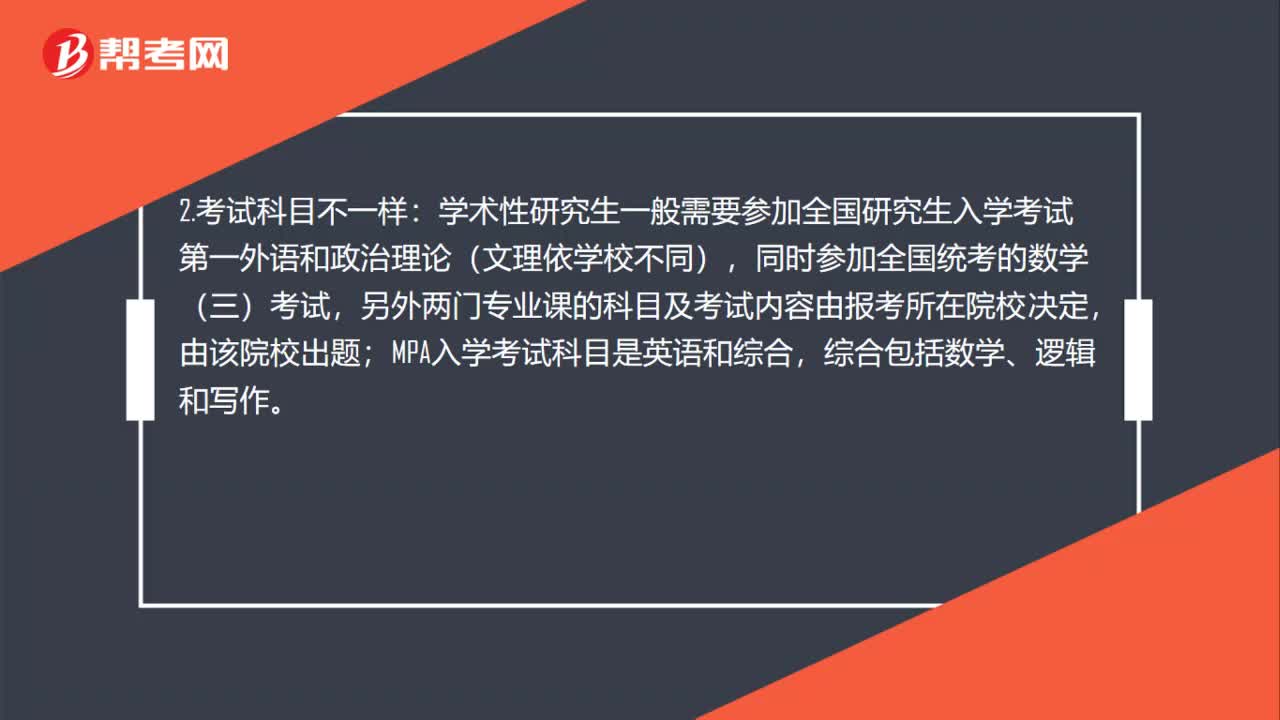
28MPA聯(lián)考考試科目有哪些?:MPA聯(lián)考考試科目有哪些?MPA考試內(nèi)容:政治理論、外國語(英語、俄語、日語)、公共管理綜合:包括:公共管理基礎、綜合知識(語文、數(shù)學、邏輯),共計3門。其中,政治理論由各招生單位單獨組織,時間自行安排;其余2門全國聯(lián)考。
 63
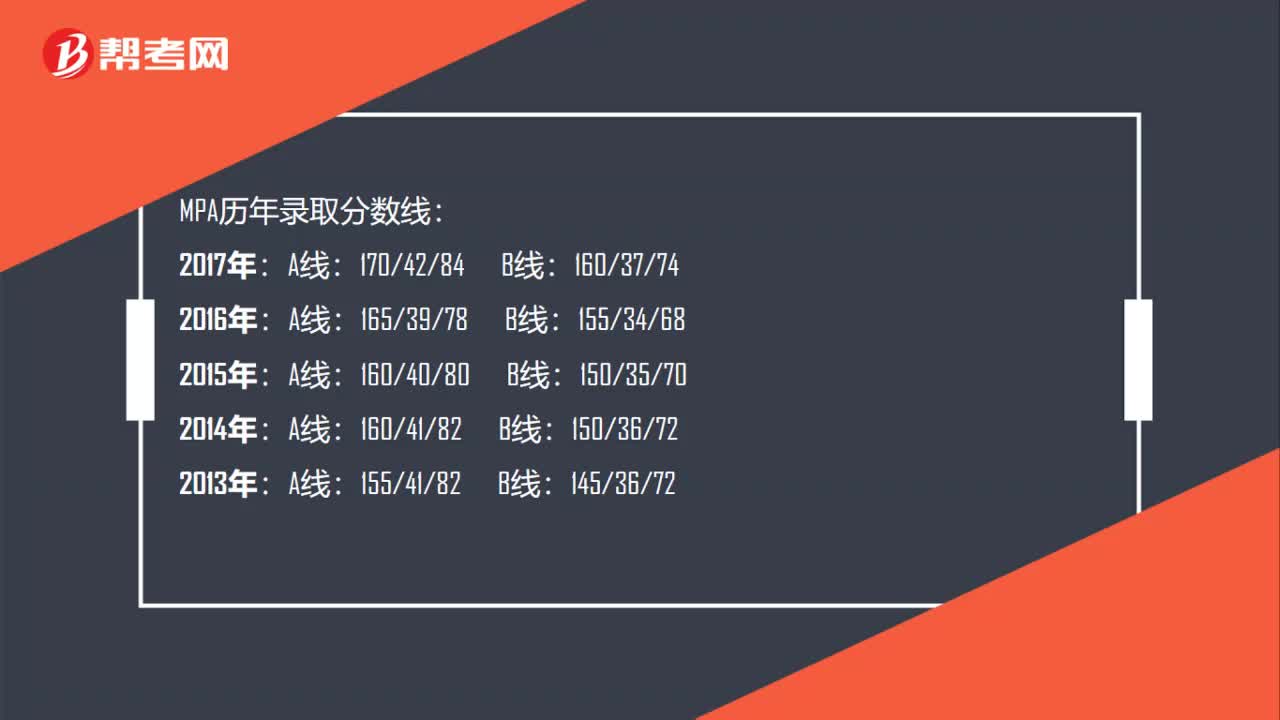
63MPA歷年錄取分數(shù)線是多少?:MPA歷年錄取分數(shù)線:1453672
 00:21
00:212020-06-12
 01:07
01:072020-06-12
 01:33
01:332020-06-12
 00:54
00:542020-06-12
 01:23
01:232020-06-12

微信掃碼關注公眾號
獲取更多考試熱門資料